10G DWDM 80km Benefits and Tips You Need to Know?
In today's fast-paced digital world, the demand for high-speed data transmission is relentless. The introduction of 10G DWDM 80km technology is a game-changer. Companies seek to enhance their network capacity and efficiency. According to a recent report by Market Research Future, the global demand for high-capacity networks is projected to grow by over 20% annually. This urgent need drives innovation in optical networking technologies.
Dr. Emily Carter, a leading expert in fiber optics, emphasizes the significance of such advancements. She states, "10G DWDM 80km not only meets current demands but also anticipates future growth." This statement underscores the importance of integrating durable solutions into modern infrastructure. Implementing 10G DWDM 80km can resolve many existing challenges while preparing networks for future scalability.
However, transitioning to this technology can be complex. Companies often overlook the nuances involved. Balancing cost, installation, and operational efficiency requires careful planning. There is no one-size-fits-all approach. Each upgrade presents unique hurdles, making reflection and adaptation crucial. The path may be challenging, yet the potential rewards in performance and reliability are significant.

Introduction to 10G DWDM and Its Importance in Telecommunications
10G DWDM technology plays a critical role in modern telecommunications. It offers high data rates over long distances. This capability is essential for the growing demand for bandwidth in various sectors. It supports everything from cloud computing to telecommunications networks. With a reach of up to 80 kilometers, it enables efficient data transmission without significant loss.
One essential tip for deploying 10G DWDM is proper planning. Assess your current infrastructure. Ensure it can support the high data rates required. It's also vital to keep future growth in mind. A flexible design allows for easier upgrades. Don't overlook the importance of regular maintenance checks. This can prevent potential issues that may disrupt service.
Another tip is to understand the cost implications. While 10G DWDM offers long-term benefits, initial costs can be high. Consider total cost of ownership, not just upfront expenses. Evaluate ongoing operational costs, such as power and cooling. This assessment helps in making more informed financial decisions. Always ask questions and seek advice when needed.
Key Benefits of 10G DWDM Technology Over Traditional Systems
10G DWDM technology offers significant advantages over traditional systems. This advanced optical transport system allows for increased bandwidth with a much higher capacity. Industry reports indicate that 10G DWDM can support data rates of up to 10 Gbps per channel. This efficiency is crucial as data demand continues to soar. With a reach of 80km, this technology is perfect for urban and regional networks.
One key benefit lies in its ability to support multiple wavelengths on a single fiber strand. This leads to a more efficient use of existing infrastructure. A recent study highlighted that 80% of telecommunications companies are seeing reduced operational costs due to fewer fibers being required. This can directly impact the bottom line, making upgrades more feasible for many organizations.
When implementing 10G DWDM, consider a few tips. Ensure proper installation and maintenance to avoid signal degradation. Regular testing of the network can help identify issues early. Avoid overloading channels, as this can lead to transmission failures. Keeping these aspects in mind will enhance the benefits of this powerful technology.
Benefits of 10G DWDM Technology Over Traditional Systems
Understanding the 80km Reach and Its Impact on Network Design
When designing a network, understanding the implications of an 80km reach in 10G DWDM systems is crucial. This distance allows for greater flexibility in layout and connections between points. A typical single-mode fiber optic link can support transmission over this reach with minimal signal degradation. Reports indicate that 10G DWDM technology achieves a low bit error rate, making long-distance communication reliable.
However, the distance also imposes certain challenges. As the reach increases, so does attenuation. Network engineers must consider factors like fiber quality and connector types. Studies suggest that using high-quality fiber can reduce attenuation significantly, potentially increasing links' effective distance. Nonetheless, it can be difficult to balance cost and performance when selecting components.
Moreover, thermal and environmental factors can impact performance. The temperature fluctuations can affect signal quality. In practice, many installations overlook these details, leading to unexpected outages. Proper monitoring and maintenance can mitigate such risks. It's essential to keep a close eye on network performance metrics, ensuring that installations remain optimal over time.
10G DWDM 80km Benefits and Tips You Need to Know
| Benefit/Tip |
Description |
Impact on Network Design |
| Long Reach |
Supports distances up to 80km without regeneration. |
Allows for fewer repeaters, reducing costs and complexity. |
| High Capacity |
Enables transmission of multiple channels on the same fiber. |
Maximizes bandwidth utilization in network design. |
| Cost Efficiency |
Reduces the cost per transmitted bit over longer distances. |
Encourages investment in high-capacity fiber infrastructure. |
| Flexibility |
Supports different types of services over a single network. |
Simplifies network architecture and service deployment. |
| Scalability |
Easily accommodates future bandwidth demands. |
Facilitates growth without significant redesign. |
| Enhanced Performance |
Improves signal quality over longer distances. |
Reduces the need for complex error correction mechanisms. |
Future Trends and Developments in 10G DWDM Technology
The future of 10G DWDM technology holds exciting possibilities. As data usage skyrockets, demand for high-capacity solutions continues to grow. Enhanced transmission over longer distances will become essential. Improved modulation formats are emerging to address these challenges. This means increased efficiency and reduced costs for network operators.
Moreover, the integration of AI technologies is making waves in DWDM systems. Smart systems can monitor and optimize network performance in real-time. They can identify potential issues before they escalate. Although these advancements sound promising, the transition may present hurdles. Legacy systems may require upgrades, which can be costly and time-consuming.
Further, energy consumption remains a concern. As more devices connect, energy efficiency will be vital for sustainability. Future advancements should focus on reducing the carbon footprint of these systems. Despite the potential benefits, the path forward may not be straightforward. Stakeholders must engage in thoughtful discussions about these changes. Balancing innovation with practicality will be crucial for success.

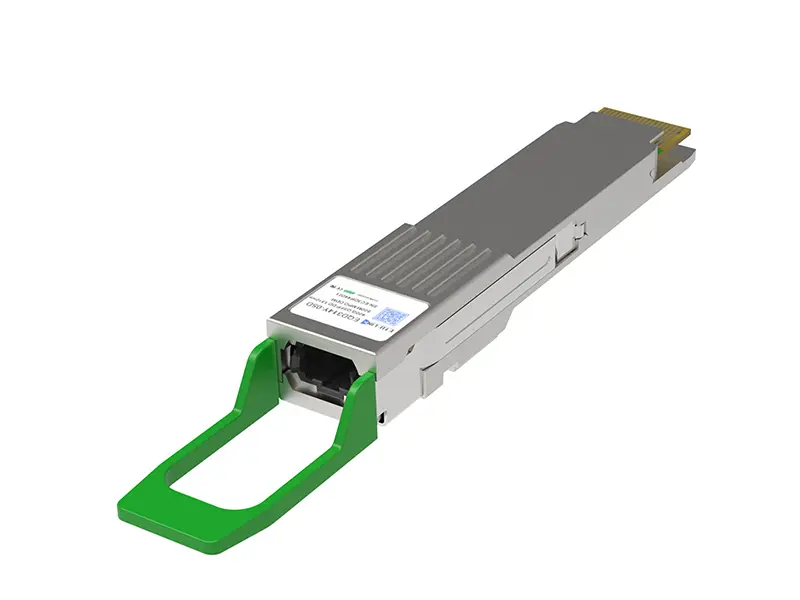 400G
400G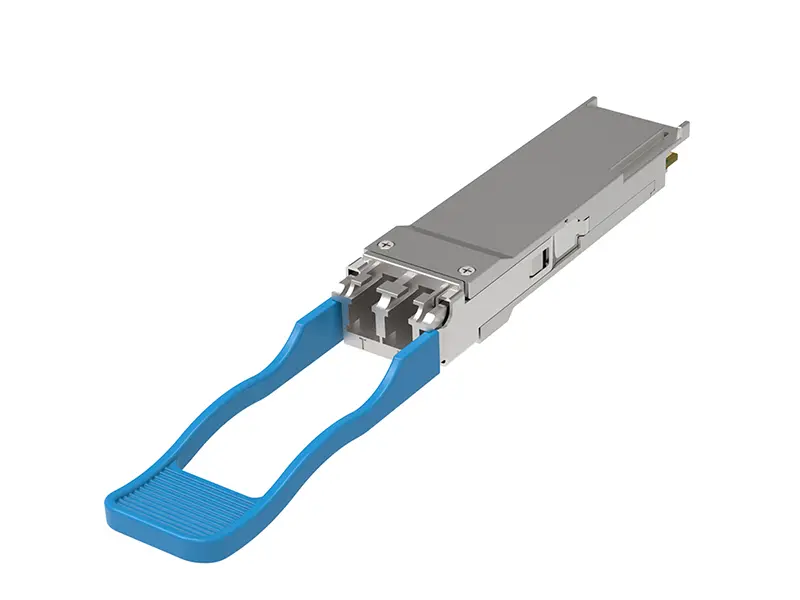 200G
200G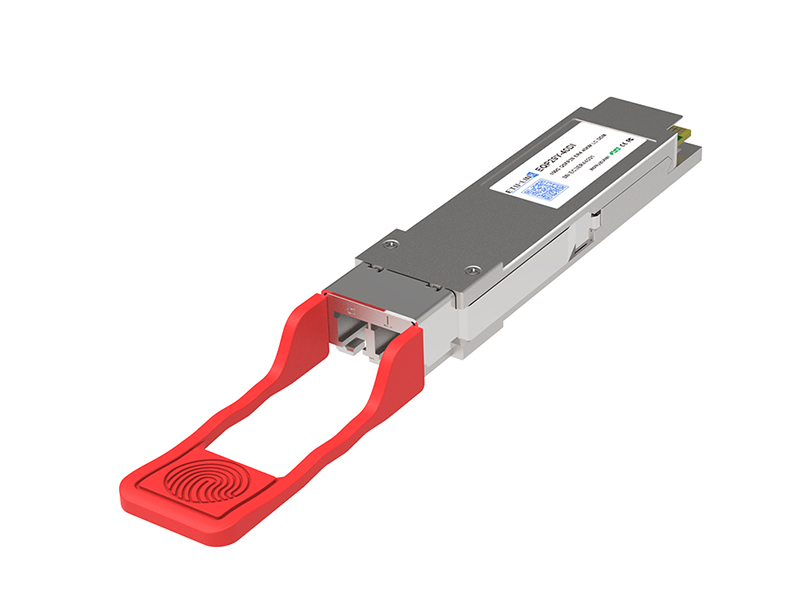 100G
100G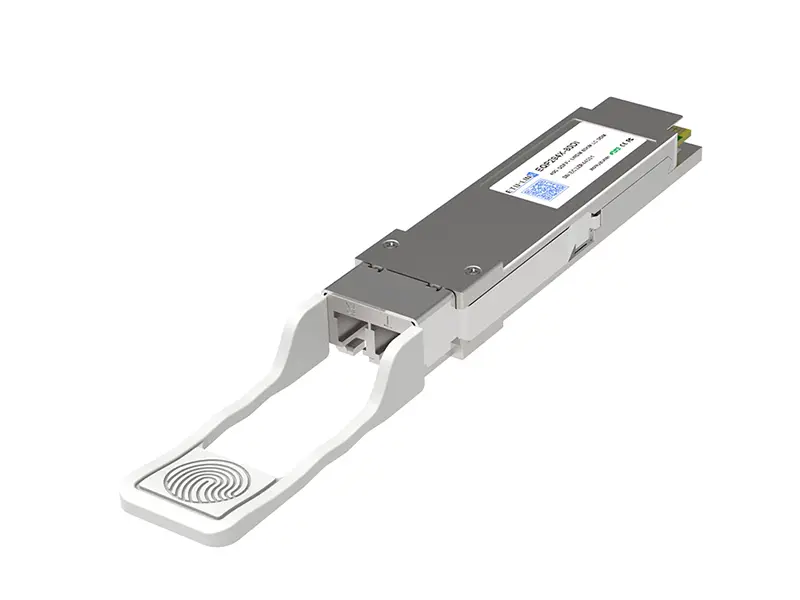 40G
40G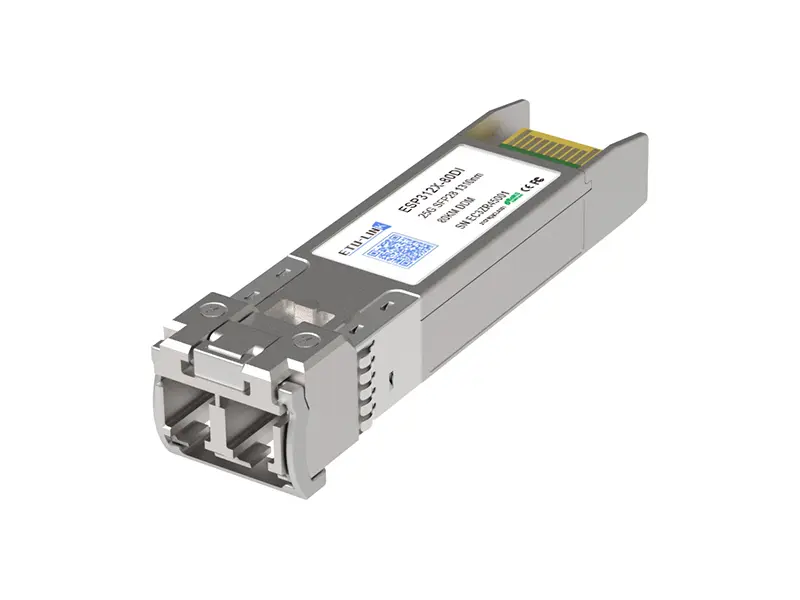 25G
25G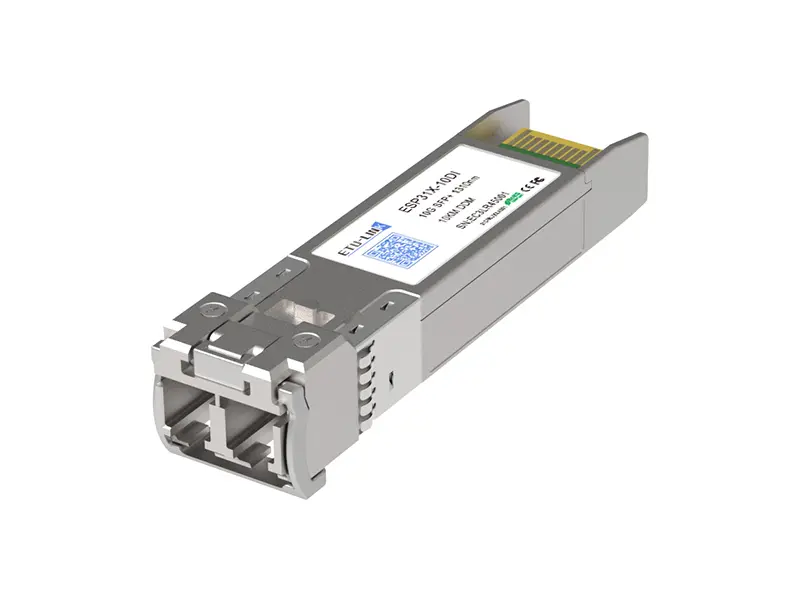 10G
10G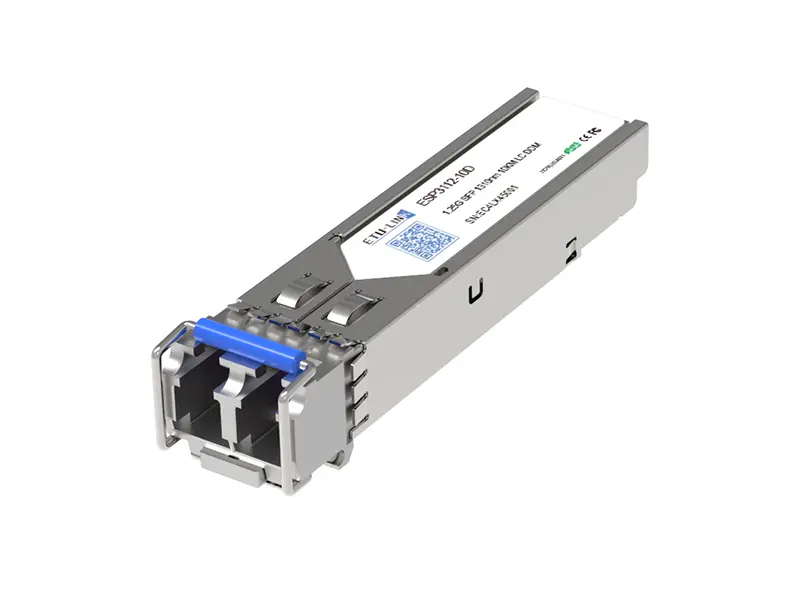 1G
1G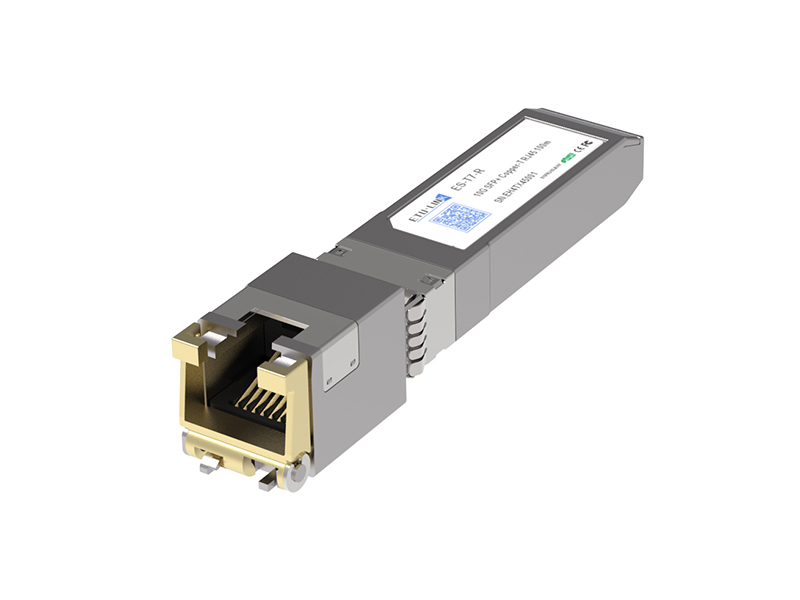 COPPER-T
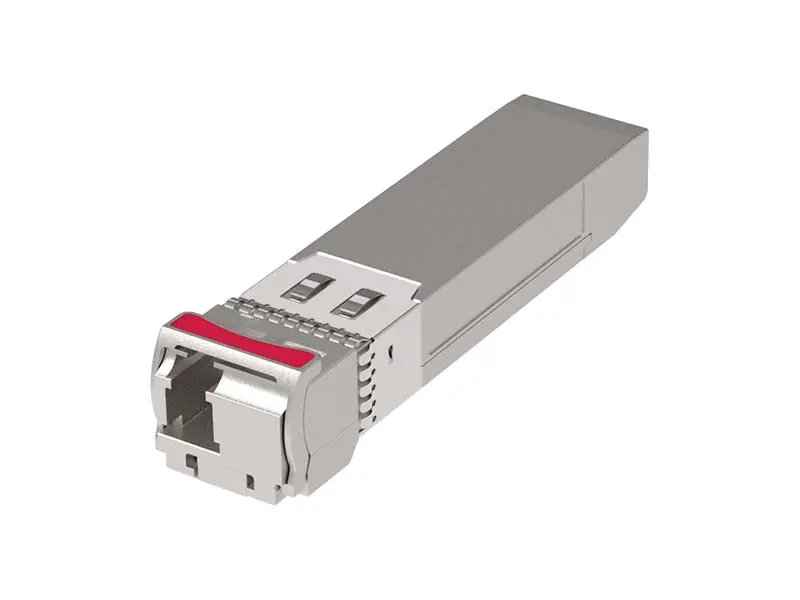 Other
Other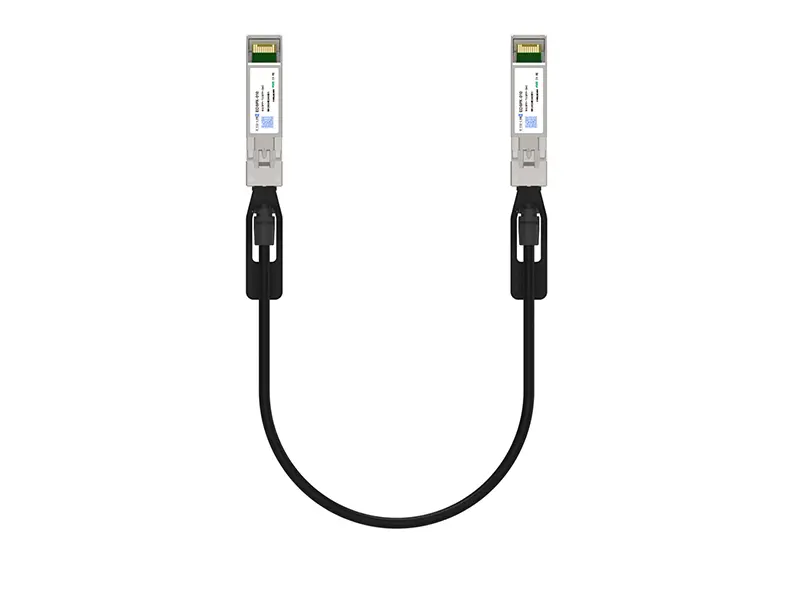 10G SFP+ DAC
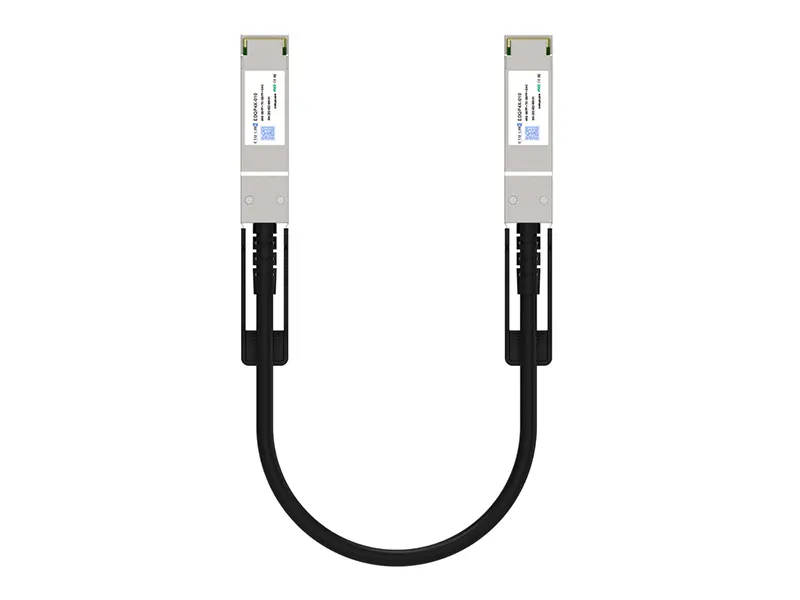 40G QSFP+ DAC
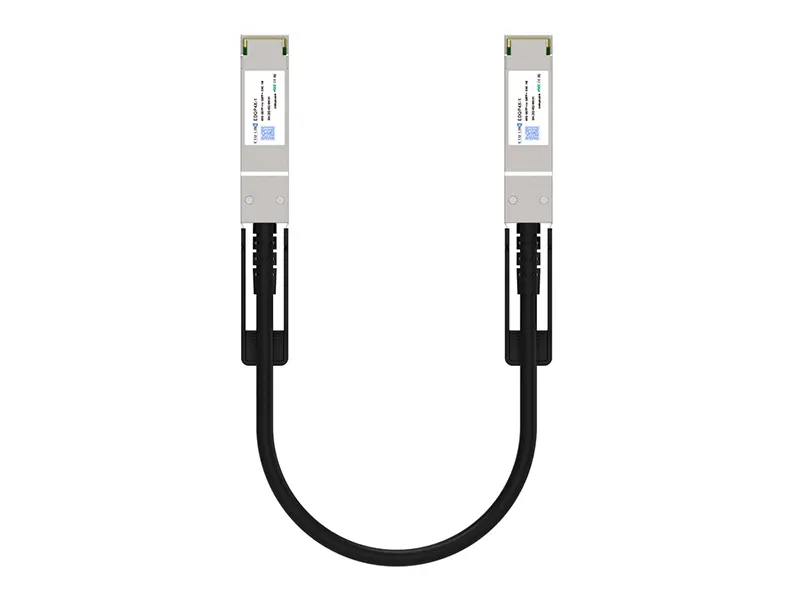 56G QSFP+ DAC
 100G QSFP28 DAC
 200G QSFP56 DD DAC
 400G QSFP DD DAC
 10G SFP+ AOC
 40G QSFP+ AOC
 100G QSFP28 AOC
 200G QSFP56 AOC
 400G QSFP-DD AOC
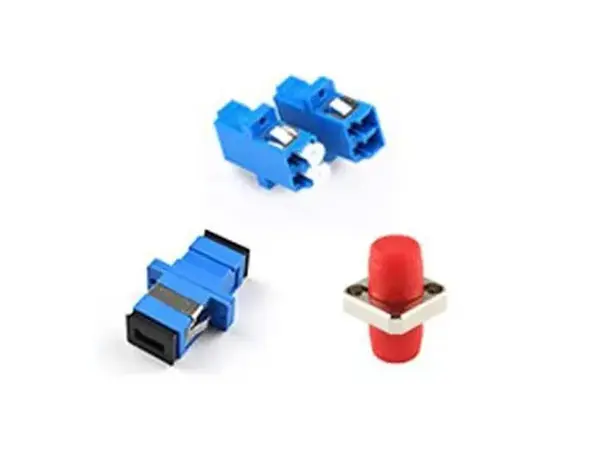 Adapter Details
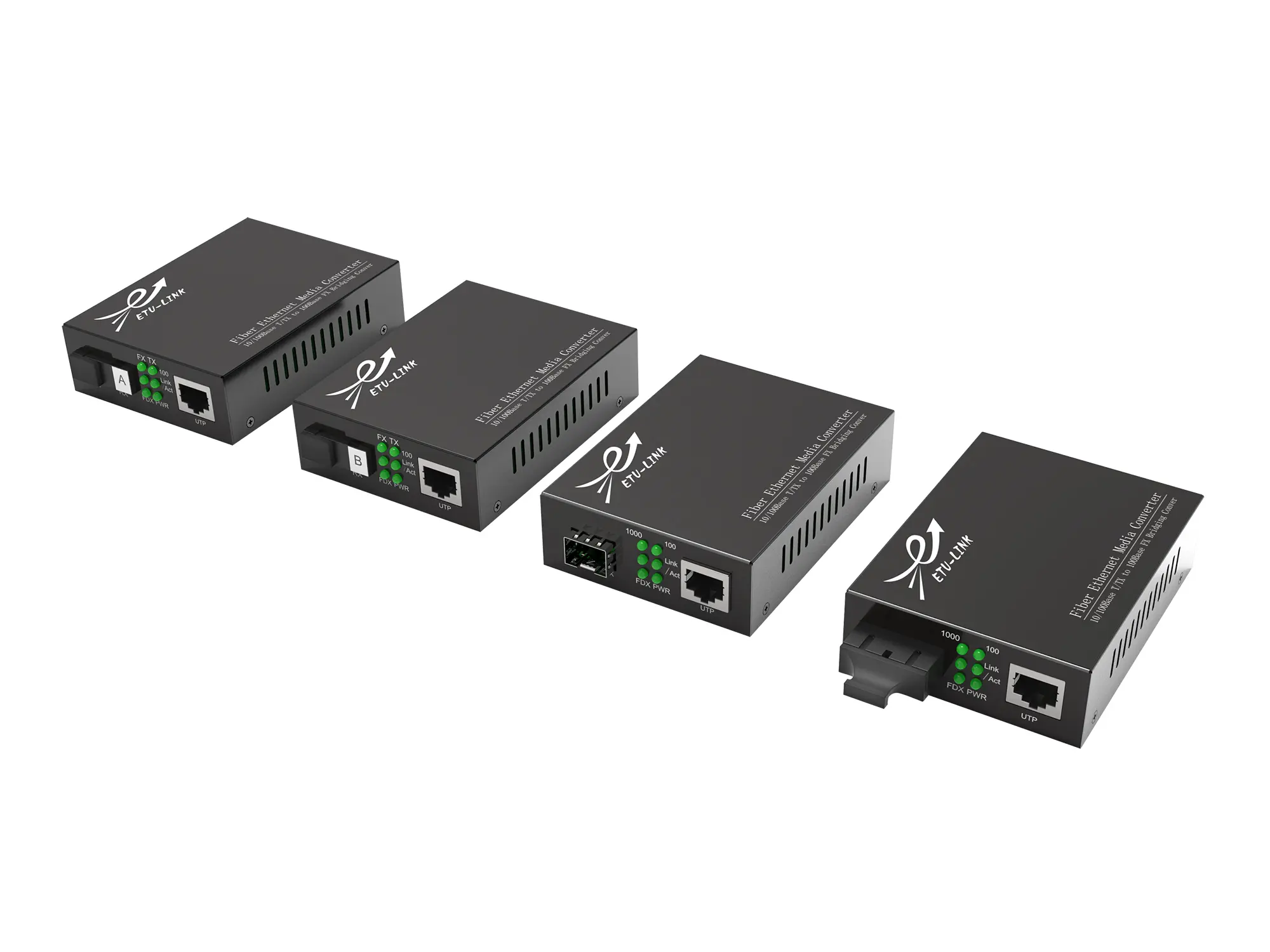 Media Converter