2026 Top 100G QSFP28 Active Optical Cable Questions Answered
In the rapidly evolving landscape of data transmission, the 100G QSFP28 Active Optical Cable stands out as a key player. Dr. Emily Chen, a respected expert in high-speed interconnect technologies, emphasizes its importance: "The 100G QSFP28 is crucial for meeting today’s bandwidth demands." These cables provide high data rates while ensuring low latency, making them vital for data centers.
As network traffic increases, understanding the functionality and advantages of the 100G QSFP28 Active Optical Cable becomes essential. This technology utilizes advanced optical fibers to deliver superior performance over distances that traditional copper cables cannot manage effectively. Yet, despite their benefits, some users still face challenges related to installation and compatibility.
While adoption rates are high, it’s important for organizations to critically evaluate their specific needs. The 100G QSFP28 Active Optical Cable is not a one-size-fits-all solution. Users must weigh performance against cost and consider future scalability. A balanced approach is necessary to fully leverage this innovative technology in the quest for faster, reliable connections.
Key Features of 100G QSFP28 Active Optical Cables
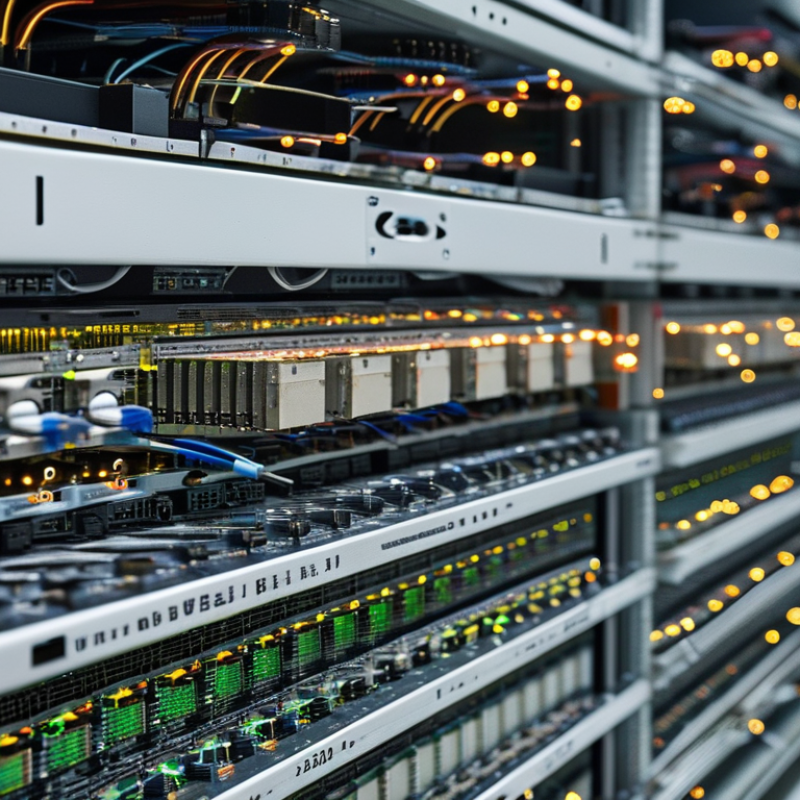
The 100G QSFP28 Active Optical Cable (AOC) serves as a vital solution for high-speed data transfer in modern data centers. These cables feature low power consumption and lightweight components, making installation easier in dense environments. According to industry reports, AOCs typically consume up to 30% less power compared to traditional copper cables, contributing to overall energy efficiency.
A significant characteristic of QSFP28 AOCs is their ability to support distances up to 300 meters over multimode fiber. This distance is crucial for large data centers looking to connect switches and routers efficiently. However, the performance can decline in environments with excessive interference. Proper cable management is essential to maintain optimal service.
The high-speed capability of these cables is impressive. They achieve data rates of 100 Gbps, enabling rapid large-scale data transfer. Yet, issues like latency might still arise, particularly in streaming applications. Therefore, technical assessments are necessary before widespread integration. Ensuring compatibility with existing infrastructure can pose challenges, which needs careful consideration.
Advantages of Using 100G QSFP28 Active Optical Cables
The use of 100G QSFP28 Active Optical Cables (AOCs) offers several advantages for modern data centers and high-speed networks. These cables provide a flexible and efficient solution for data transmission over short to medium distances. The lightweight design allows for easier deployment in tight spaces, reducing installation time and costs. The high bandwidth capability of 100G AOCs supports increasing data demands without compromising performance.
Additionally, 100G AOCs are known for their low power consumption compared to traditional copper cables. This feature is especially crucial as organizations strive to enhance energy efficiency. Furthermore, AOCs resist electromagnetic interference, ensuring reliable signal integrity. This reliability is vital for applications requiring consistent performance, such as high-frequency trading or real-time data analysis.
However, using AOCs does come with challenges. Compatibility with existing infrastructure may sometimes be an issue, requiring careful planning. It’s essential to assess whether the switch and server ports will support these cables. While the benefits are significant, organizations must weigh these considerations when implementing 100G QSFP28 AOCs in their networks. The right decision involves not just understanding the technology but also evaluating specific needs and conditions.
2026 Top 100G QSFP28 Active Optical Cable Questions Answered - Advantages of Using 100G QSFP28 Active Optical Cables
| Feature |
Details |
| Bandwidth |
Supports up to 100 Gbps data transfer rates |
| Distance |
Effective range up to 100 meters for optimal performance |
| Form Factor |
Compact design with QSFP28 connectors |
| Power Consumption |
Low power usage, reducing overall operational costs |
| Compatibility |
Compatible with various networking equipment |
| Installation |
Easy to install and configure; plug-and-play functionality |
| Durability |
Robust construction suitable for demanding environments |
| Cost-effectiveness |
Cost-efficient solution for high-speed data transmission |
Common Applications for 100G QSFP28 Active Optical Cables
100G QSFP28 Active Optical Cables (AOCs) are essential in high-speed data environments. These cables offer significant advantages in specific applications. For cloud computing, AOCs provide the necessary bandwidth and efficient data transfer over long distances. Their lightweight design reduces strain on infrastructure while maintaining high performance.
Data centers also benefit from 100G AOCs. These cables improve connectivity between switches and servers. By using AOCs, organizations can optimize space and reduce power consumption. In densely packed data environments, this aspect is crucial for efficiency. However, there are challenges, such as compatibility with existing equipment, which require careful planning.
Educational institutions are increasingly adopting 100G AOCs for research networks. The high data rates enable faster data sharing. Yet, the initial investment can be a drawback. Institutions must weigh long-term benefits against upfront costs. Even with these considerations, the flexibility and capability of Aocs make them an attractive choice for various needs.
Installation and Maintenance Tips for 100G QSFP28 Cables
When working with 100G QSFP28 Active Optical Cables, proper installation is key to ensuring optimal performance. Begin by checking the environment for any excessive dust or moisture. These factors can significantly affect the cable's longevity and signal quality. Avoid tight bends and ensure that the cable routing is clean to prevent stress on the connectors.
Another important aspect is the handling of cables. When connecting or disconnecting, do not pull on the cables themselves. Instead, grip the connectors firmly and use steady force. This practice minimizes the risk of damaging internal components. Periodically, inspect the cables for signs of wear or damage, as early detection can prevent larger issues.
Maintaining a proper temperature range is vital for the functionality of the cables. Excessive heat can degrade performance. Keep cables away from heat sources and ensure adequate ventilation in the installation location. Regular maintenance checks, including cleaning the connectors with appropriate tools, can significantly extend the lifespan of your optical cables.
Comparative Analysis with Other High-Speed Cabling Solutions
In the world of high-speed networking, the rise of 100G QSFP28 Active Optical Cables has prompted an essential comparative analysis against other cabling solutions. These cables deliver impressive bandwidth and low latency, making them popular for data centers. However, it is crucial to evaluate their performance alongside traditional copper cables and other optical solutions.
Active optical cables exhibit various advantages, such as lighter weight and greater flexibility compared to their copper counterparts. They can transmit data over longer distances without significant signal degradation. However, their cost can be a deterrent for budget-constrained projects. Many organizations may struggle to justify the investment, especially when copper cables suffice for shorter distances. This creates a challenging dilemma.
Additionally, the future remains uncertain as new technologies emerge. The development of next-generation cabling solutions could change this landscape. It poses the question: Will current investments in 100G QSFP28 cables still hold value in a few years? Considering past transitions between technology standards, organizations must tread carefully. Balancing performance, reliability, and budget remains key in any cabling strategy.
Comparative Analysis of 100G QSFP28 AOC vs Other High-Speed Cabling Solutions

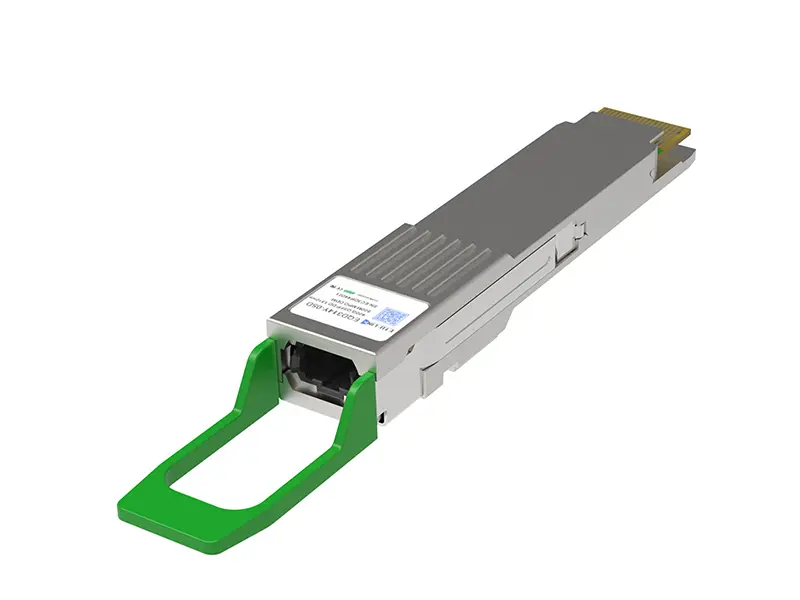 400G
400G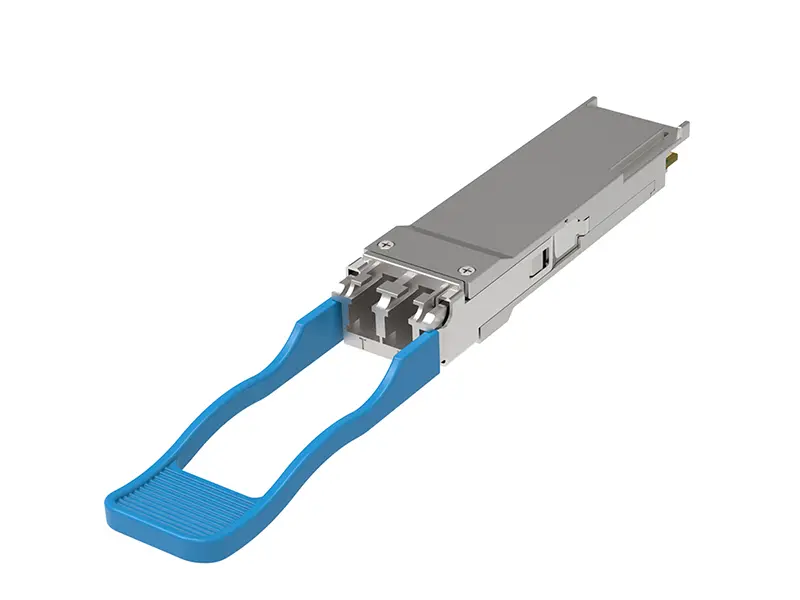 200G
200G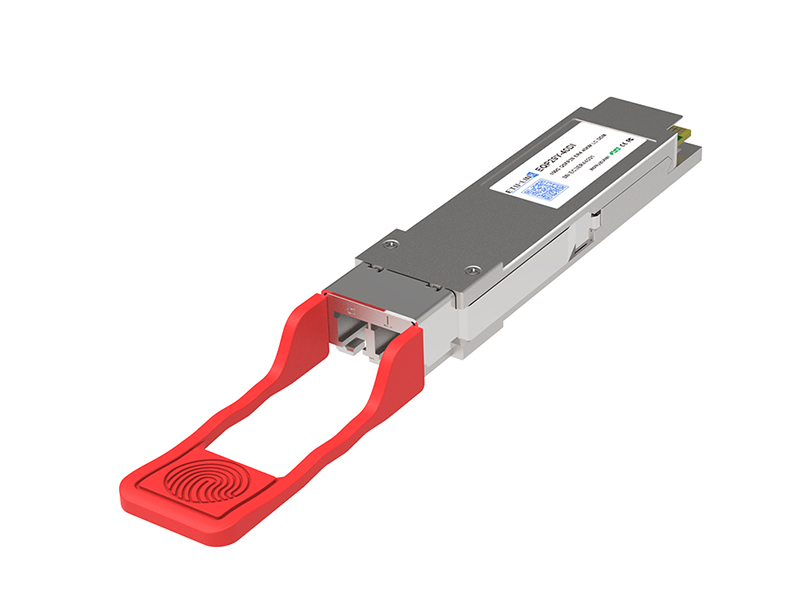 100G
100G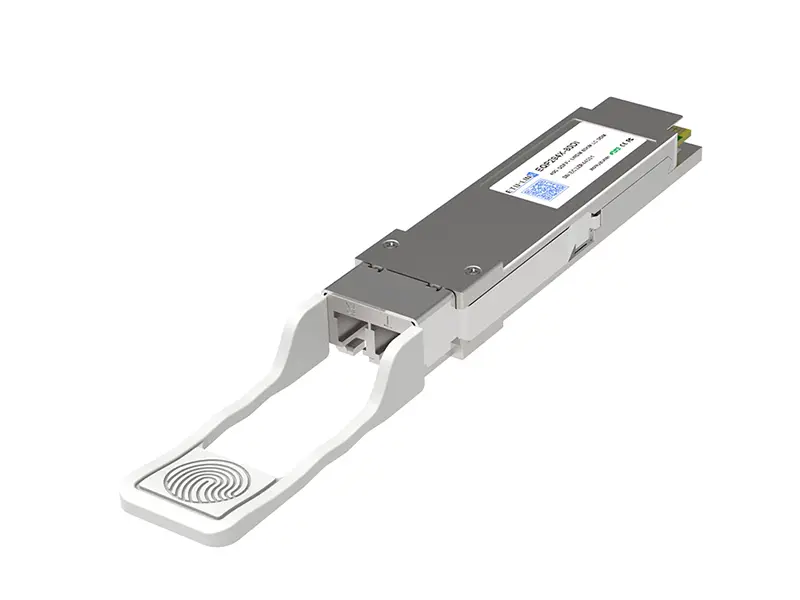 40G
40G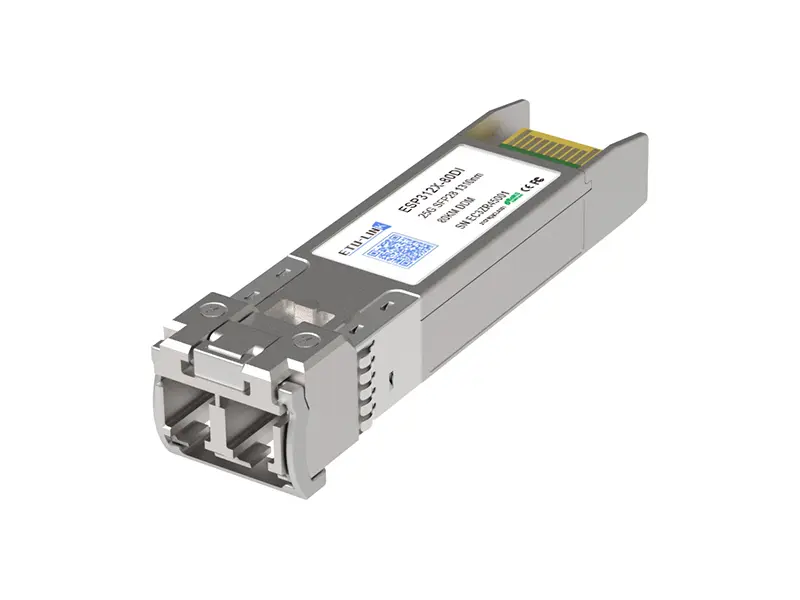 25G
25G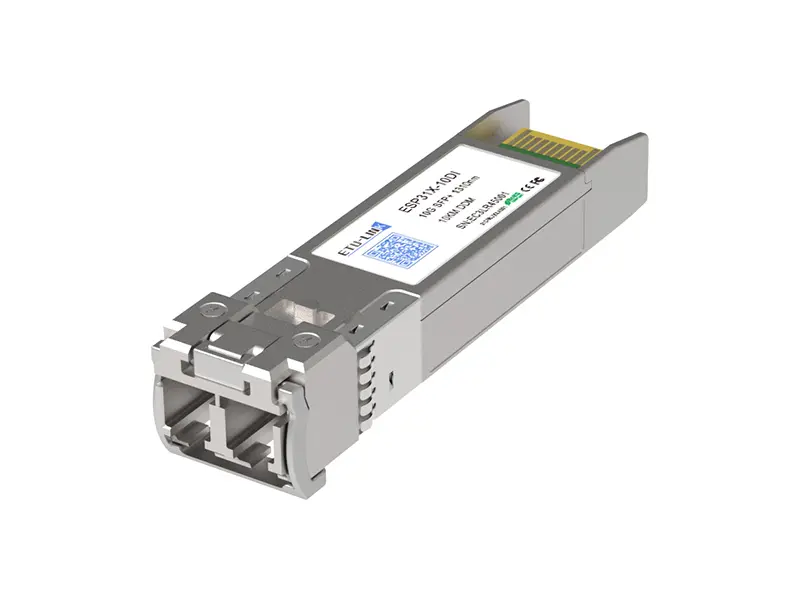 10G
10G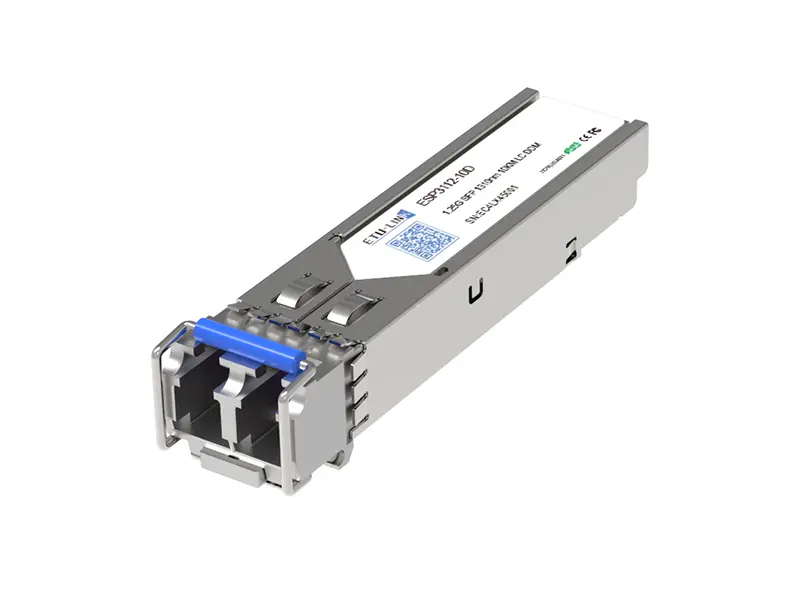 1G
1G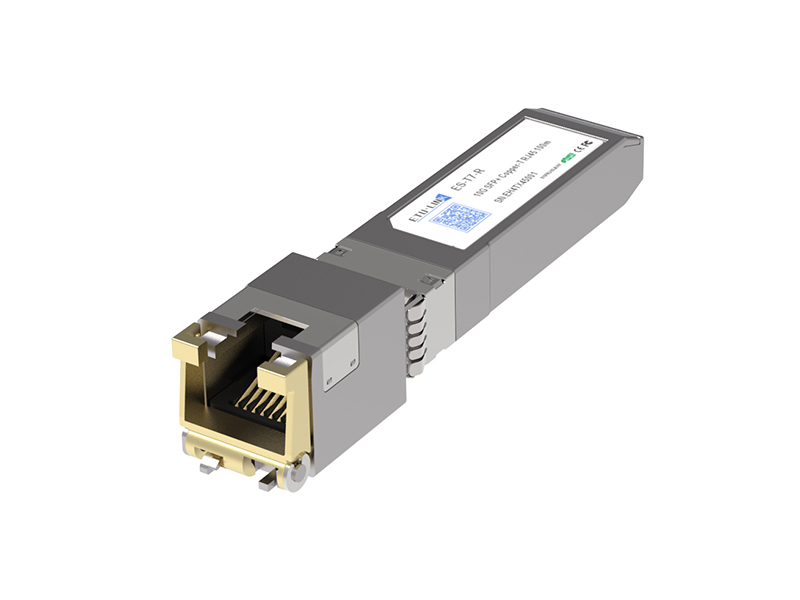 COPPER-T
 Other
Other 10G SFP+ DAC
 40G QSFP+ DAC
 56G QSFP+ DAC
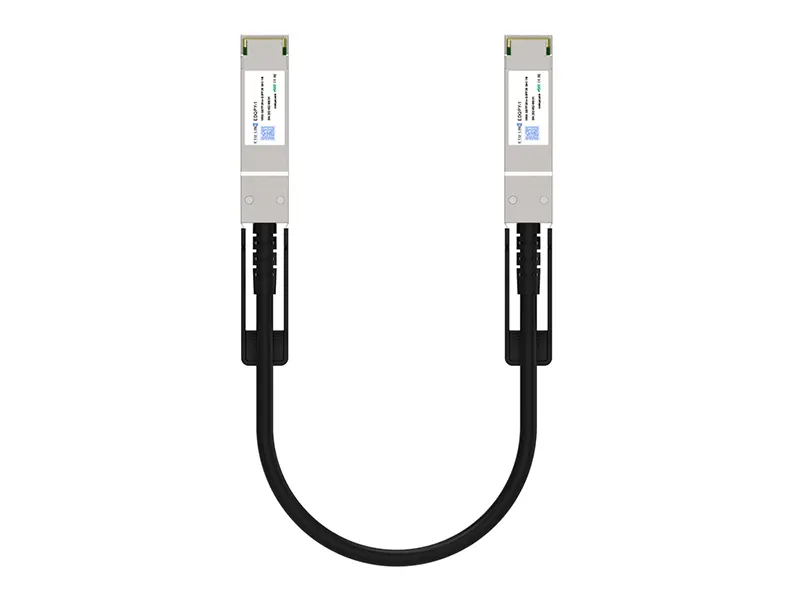 100G QSFP28 DAC
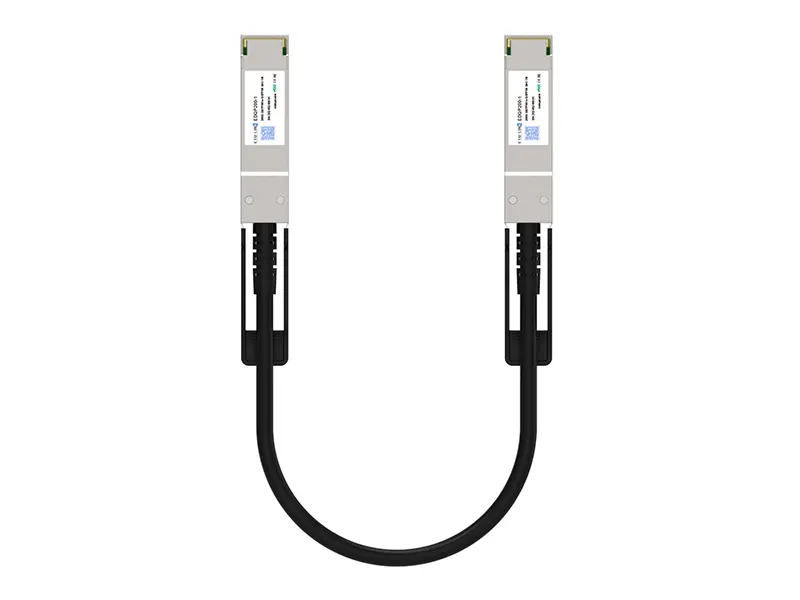 200G QSFP56 DD DAC
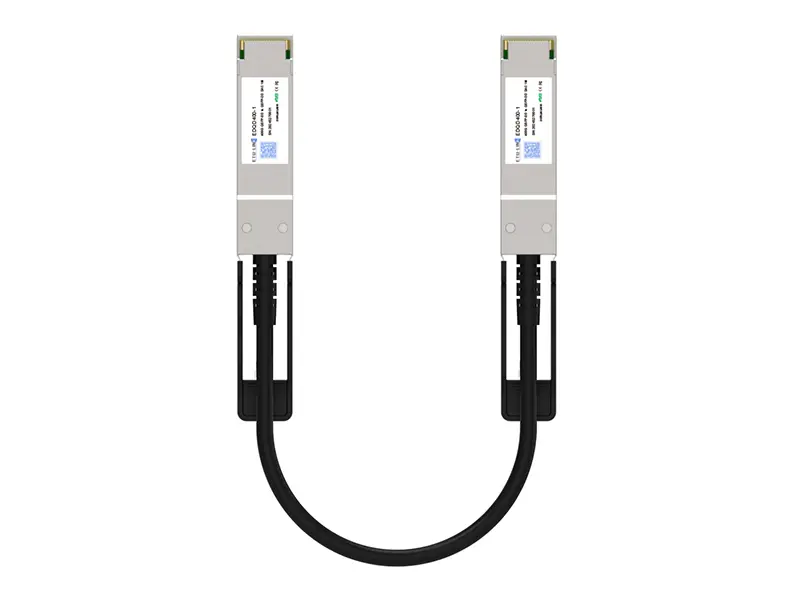 400G QSFP DD DAC
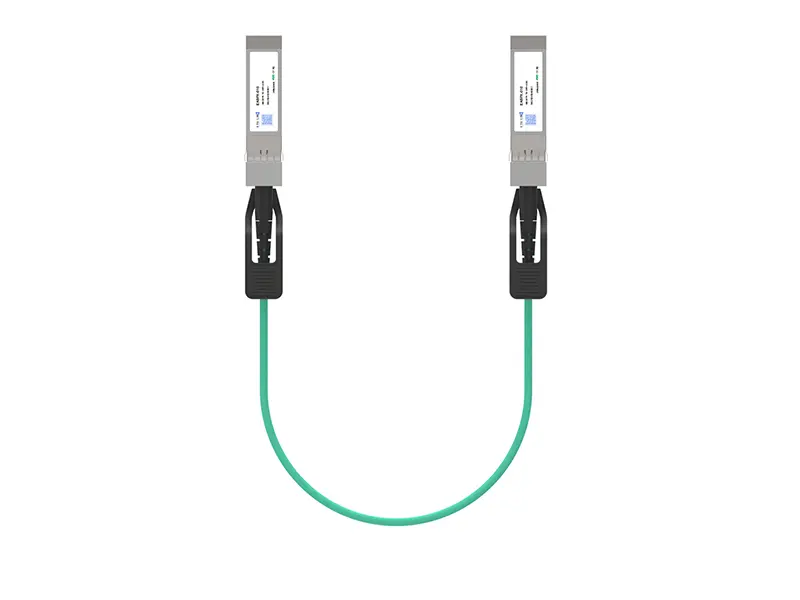 10G SFP+ AOC
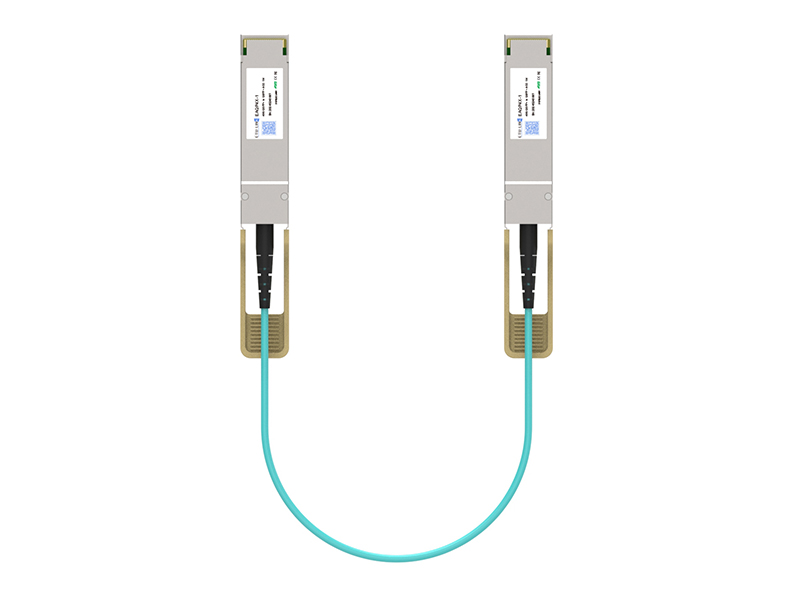 40G QSFP+ AOC
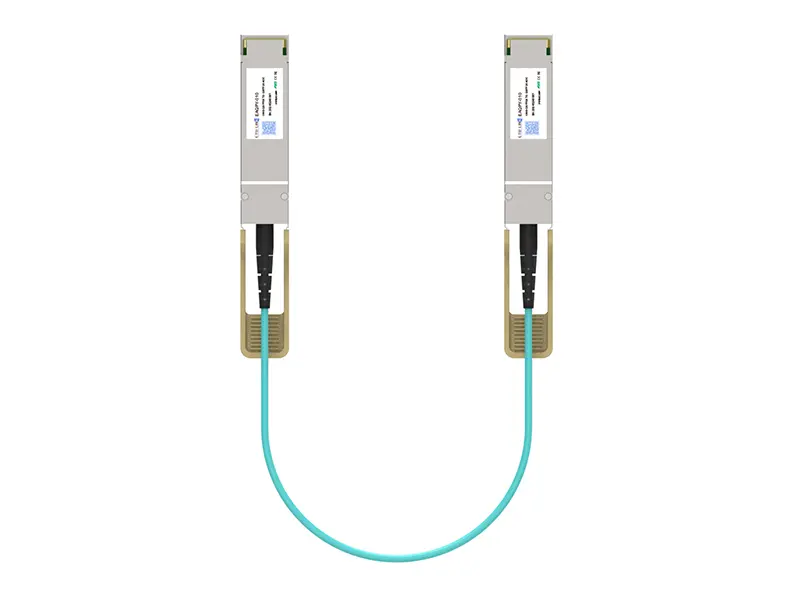 100G QSFP28 AOC
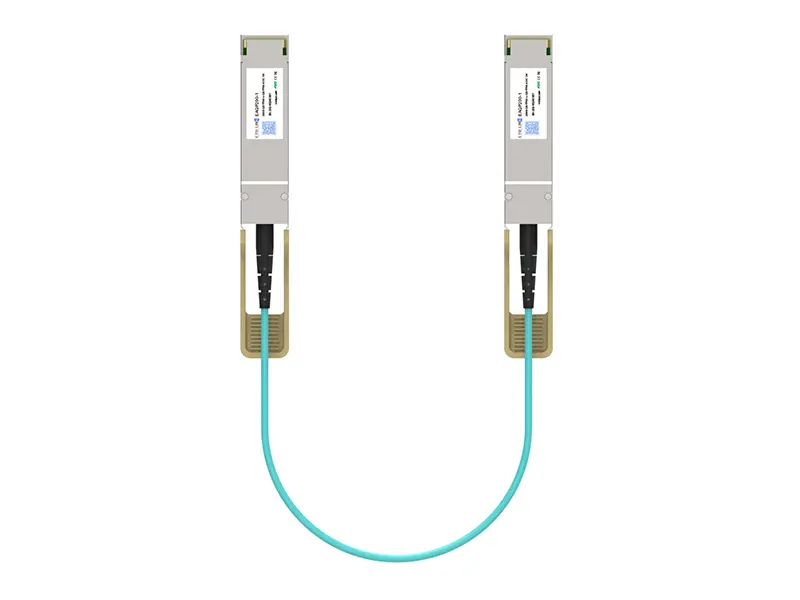 200G QSFP56 AOC
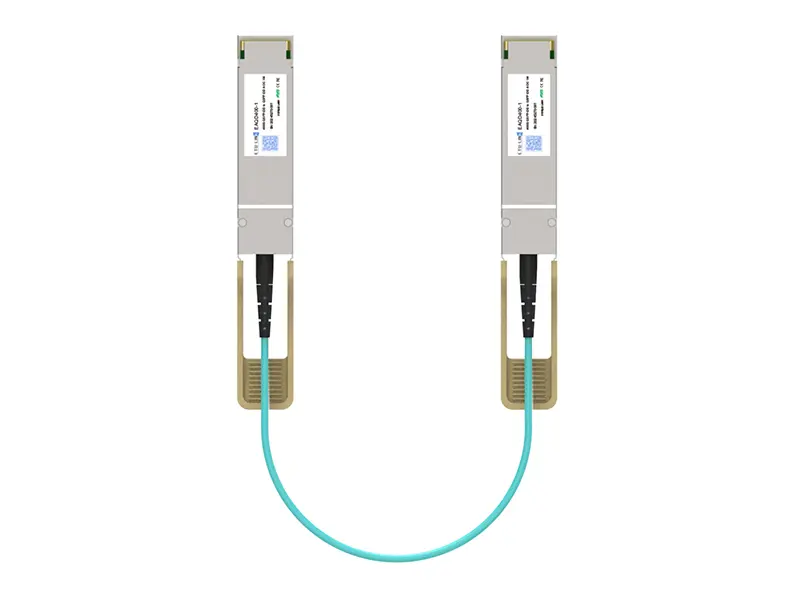 400G QSFP-DD AOC
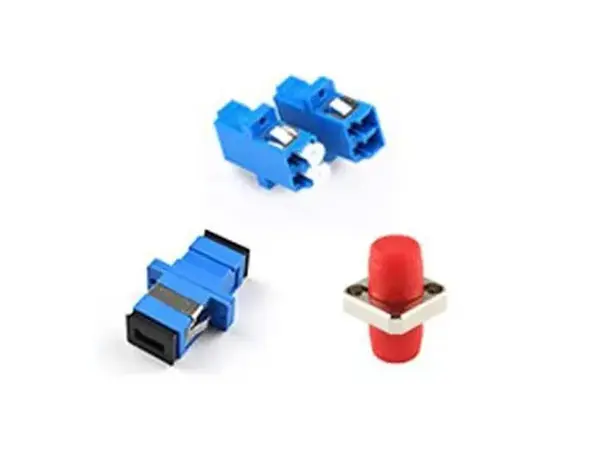 Adapter Details
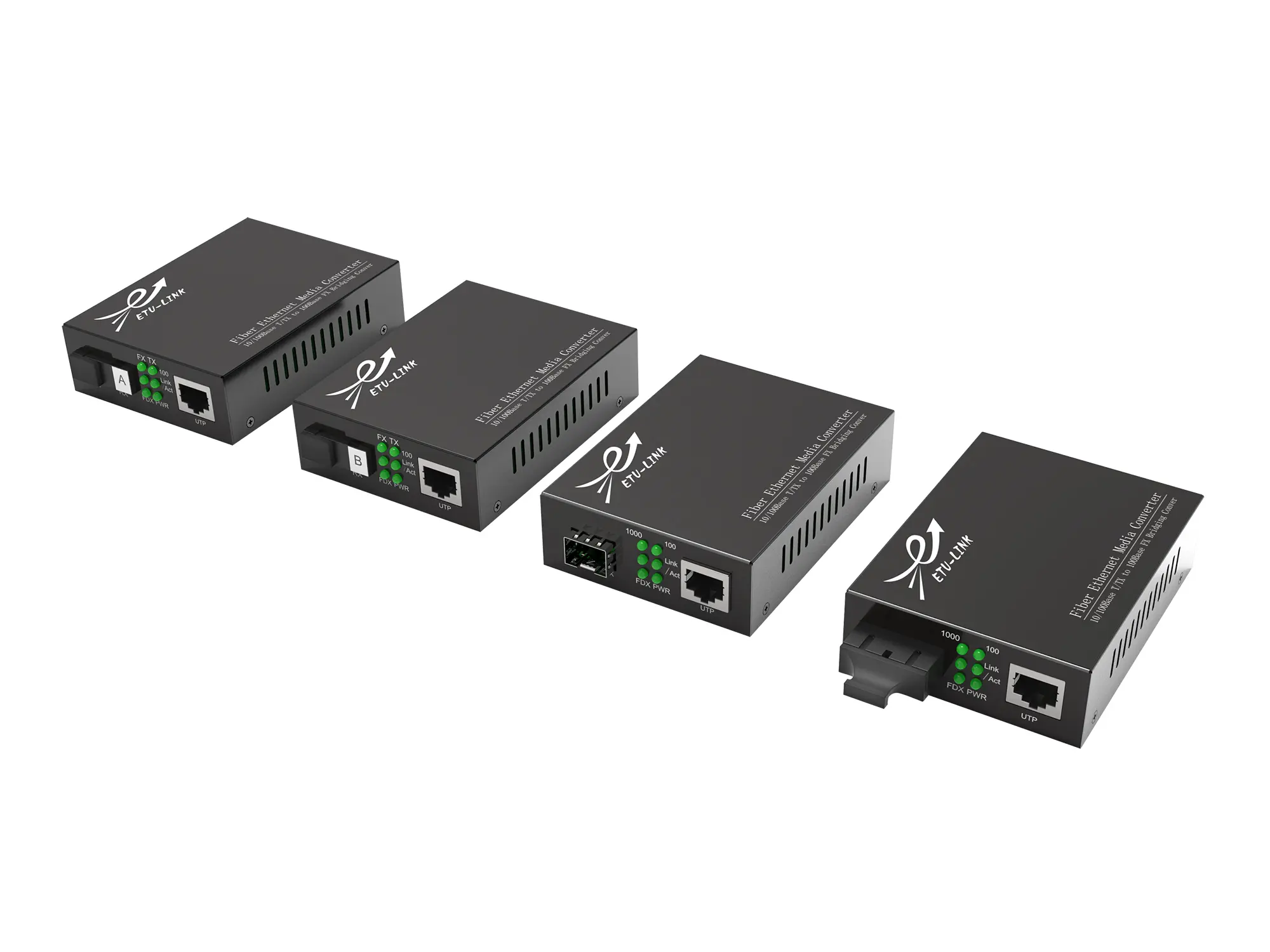 Media Converter