Why Choose 56G QSFP+ Active Optical Cable for High Speed Data Transfer?
In the ever-evolving landscape of data communication, the demand for faster and more reliable solutions is undeniable. The 56G QSFP+ Active Optical Cable is emerging as a frontrunner. This advanced technology enables high-speed data transfer essential for modern data centers, telecommunications, and cloud services.
Using 56G QSFP+ Active Optical Cables offers several benefits. They deliver increased bandwidth, ensuring seamless connectivity. This is crucial as data volumes continue to surge. Furthermore, they are lightweight and flexible, making installation easier in congested data center environments. However, considerations like cost and compatibility are important.
The future promise of 56G QSFP+ Active Optical Cables lies in their ability to meet high-speed demands. Yet, users should remain cautious. Not every application may require this technology. Assessing specific needs can maximize benefits while minimizing unnecessary expenditure.

Benefits of 56G QSFP+ Active Optical Cables in Data Transfer
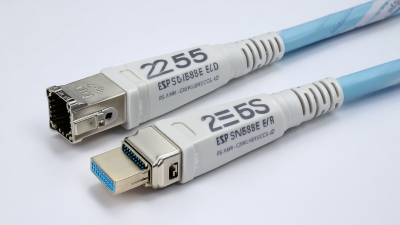
56G QSFP+ Active Optical Cables (AOCs) have emerged as a game-changer in high-speed data transfer. They harness optical technology to deliver unprecedented bandwidth. Ideal for data centers, these cables support 56 Gbps speeds. This advanced capacity is crucial for large-scale data applications.
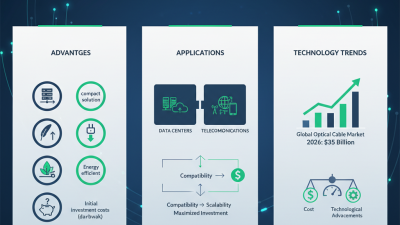
A key benefit of 56G AOCs is their reduced power consumption. They are more energy-efficient compared to traditional copper cables. Lower energy use leads to cost savings over time. Additionally, their lightweight and flexible design eases installation. Users appreciate how AOCs simplify management in tight spaces. This is especially true in high-density environments.
However, organizations must consider some trade-offs. While 56G AOCs are powerful, installation may require specific knowledge. Users may face challenges if they lack experience with optical systems. It’s essential to invest in training or consult with experts. Balancing performance and expertise is vital for effective implementation. In the rapidly evolving field of data transfer, continuous learning remains crucial.
Comparison of 56G QSFP+ Cables with Other High-Speed Solutions
The 56G QSFP+ Active Optical Cable stands out in the landscape of high-speed data transfer solutions. Compared to traditional copper cables, it offers significant bandwidth benefits. Research indicates that optical cables can provide bandwidths exceeding 400 Gbps. In environments demanding high data rates, this capability is critical. The low latency of these cables enhances overall system performance, offering a clear advantage for data centers and high-performance computing applications.
When comparing 56G QSFP+ with other high-speed solutions, the differences become evident. Passive copper cables, while cost-effective, often suffer from distance limitations and higher power consumption. In contrast, 56G QSFP+ enables reliable data transfer over distances up to 100 meters. The reduction in electrical interference is another critical factor. Optical cables maintain signal integrity better than their copper counterparts, especially in noisy environments. According to industry reports, the demand for efficient cooling and energy solutions will drive more companies to adopt optical technologies in the next few years.
Despite these advantages, challenges remain. The initial investment for optical cables can be higher than copper solutions. Maintenance and integration require specialist skills, which may not be readily available in all organizations. However, as industries increasingly rely on high-speed connectivity, the long-term benefits are likely to outweigh these initial hurdles. Transitioning to a 56G QSFP+ solution could catalyze significant improvements in system performance and energy efficiency.
Technical Specifications of 56G QSFP+ Active Optical Cables
The 56G QSFP+ Active Optical Cable (AOC) stands out in high-speed data transfer applications. Its key technical specifications include a data rate of 56 Gbps per channel and a transmission distance of up to 100 meters. This makes it suitable for short-range connections in data centers and enterprise networks. With a bandwidth of approximately 25 GBps per channel, these cables efficiently support high-density environments.
In terms of power efficiency, 56G QSFP+ AOCs consume significantly less energy compared to traditional copper cables. Reports indicate that they can reduce power consumption by nearly 50% over similar distances. This is crucial as energy costs rise in megadata centers. Additionally, their lightweight design reduces overall installation complexity. However, while they offer superior performance, they may not be as robust as copper cables for extreme conditions.
Considering the transition to 56G technology, it is essential to critically assess the ongoing compatibility with existing infrastructures. Some systems may not fully utilize the capabilities of these cables. Proper evaluation of deployment scenarios is needed to avoid potential mismatches in performance expectations.
Applications of 56G QSFP+ Cables in Modern Networking
In modern networking, 56G QSFP+ Active Optical Cables (AOC) are essential for high-speed data transfer.
They support a data rate of 56 Gbps, making them suitable for data center applications.
These cables excel in reducing latency while maintaining energy efficiency. According to a recent industry report,
the global demand for high-speed data transfer solutions is set to grow by over 18% annually.
The applications of 56G QSFP+ cables are diverse, spanning cloud computing, storage area networking, and high-frequency trading.
Their lightweight design and flexibility allow for easier cable management in dense environments. Moreover, they can operate over longer distances than traditional copper cables
without signal degradation. A study noted that optical cables can extend up to 100 meters, which is a game-changer for large data centers.
Tips: Always consider the environment where the cables will be deployed. For optimal performance, ensure that the installation area is free from interference.
Regular audits can reveal potential issues early. Remember, investing in quality cables pays off in terms of reliability and speed.
It is important to reflect on your current networking needs and adjust accordingly.
Future Trends in High-Speed Data Transfer Technology
High-speed data transfer technology is evolving rapidly. The demand for faster, more efficient communication methods is growing across industries. Data centers, cloud services, and telecom networks require robust solutions. This is where technologies like 56G QSFP+ Active Optical Cables come into play. They offer a viable option for high bandwidth applications with reduced latency.
As businesses continue to implement advanced solutions, the future trends signal a shift towards greater integration of optical connectivity. Increased data rates, coupled with a growing focus on energy efficiency, are paramount. While 56G solutions seem promising, they are not without challenges. Compatibility and installation costs can be significant barriers. Moreover, as technology evolves, the importance of standards becomes more critical.
Fostering collaboration among manufacturers, engineers, and networks is essential. Innovation should not just focus on speed but also on sustainability. Every advancement should also consider longevity and the environmental impact of these technologies. Encouraging dialogue within the community can lead to better solutions that are both cutting-edge and responsible.
56G QSFP+ Active Optical Cable Data Transfer Comparison

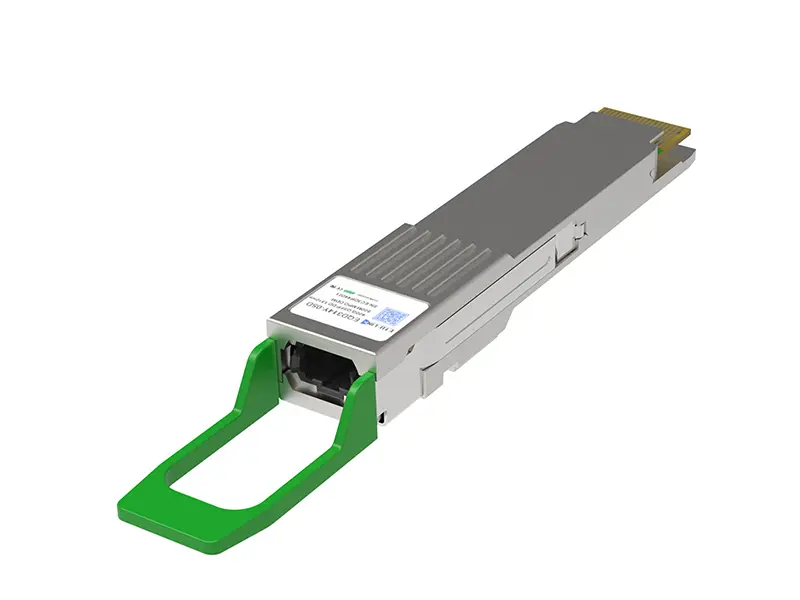 400G
400G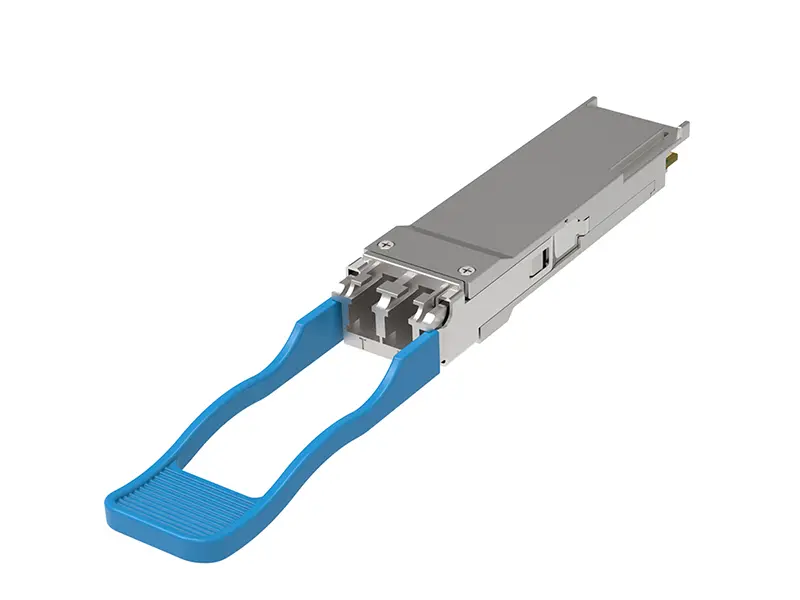 200G
200G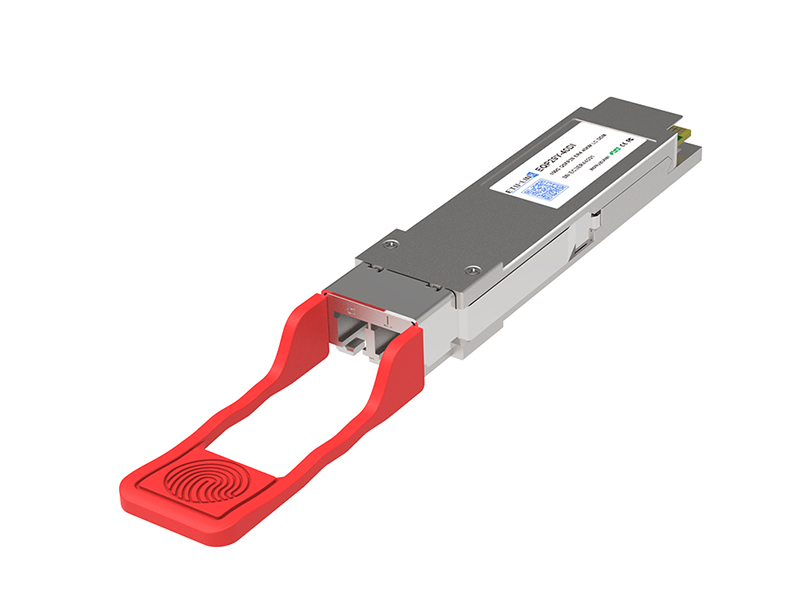 100G
100G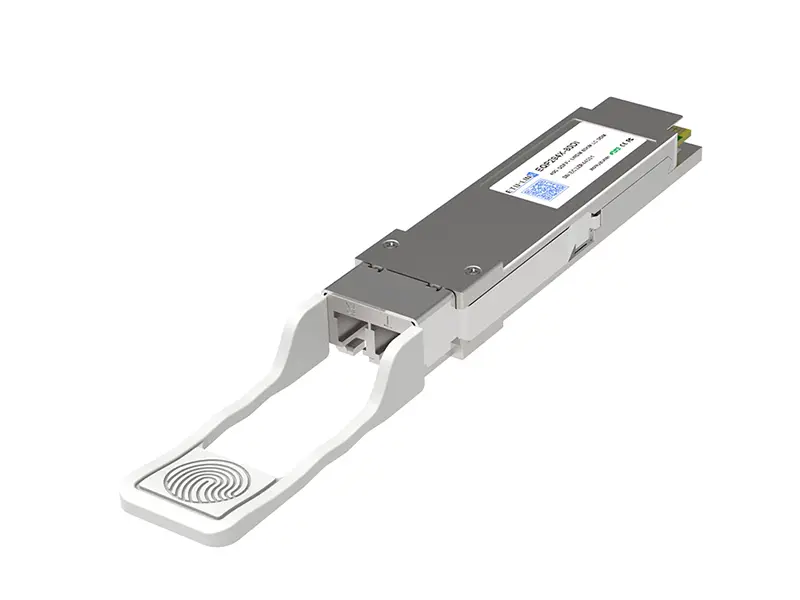 40G
40G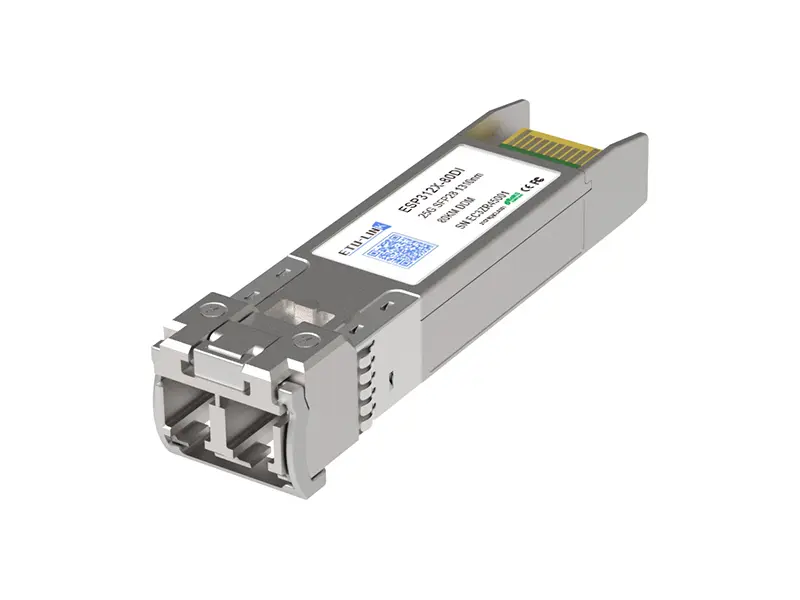 25G
25G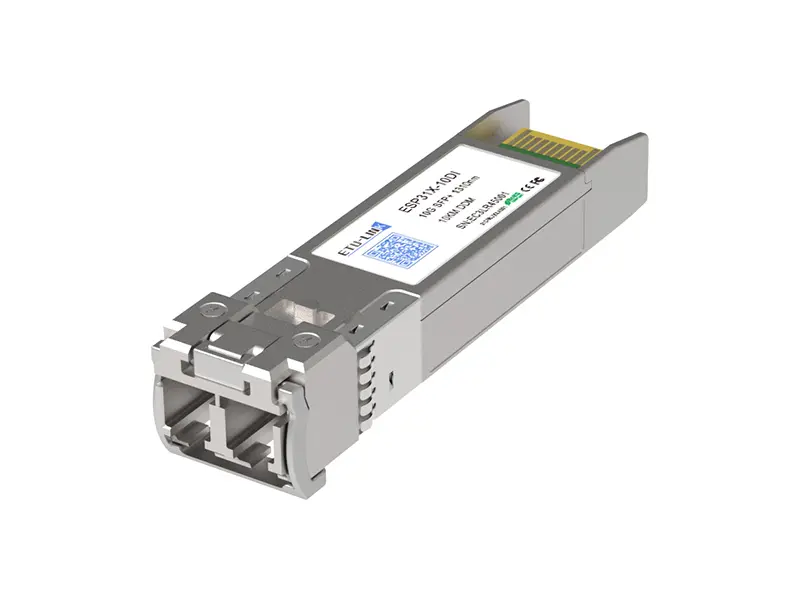 10G
10G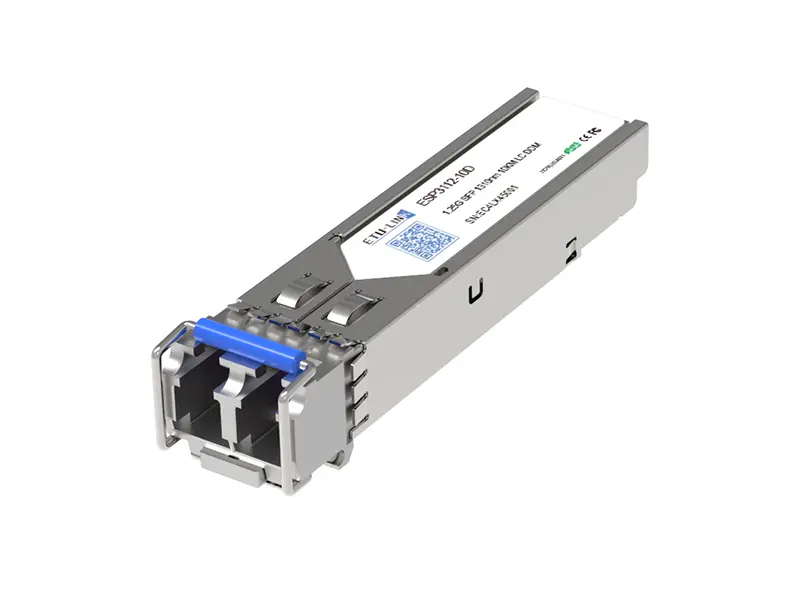 1G
1G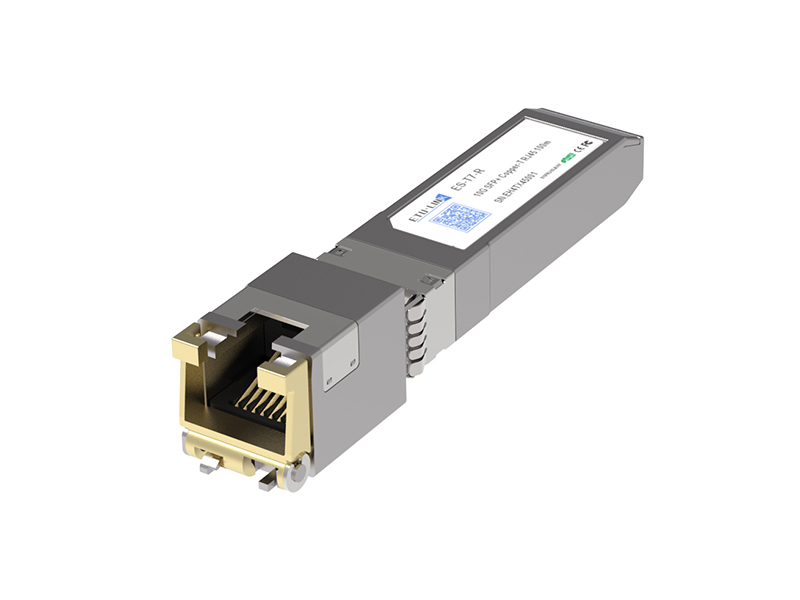 COPPER-T
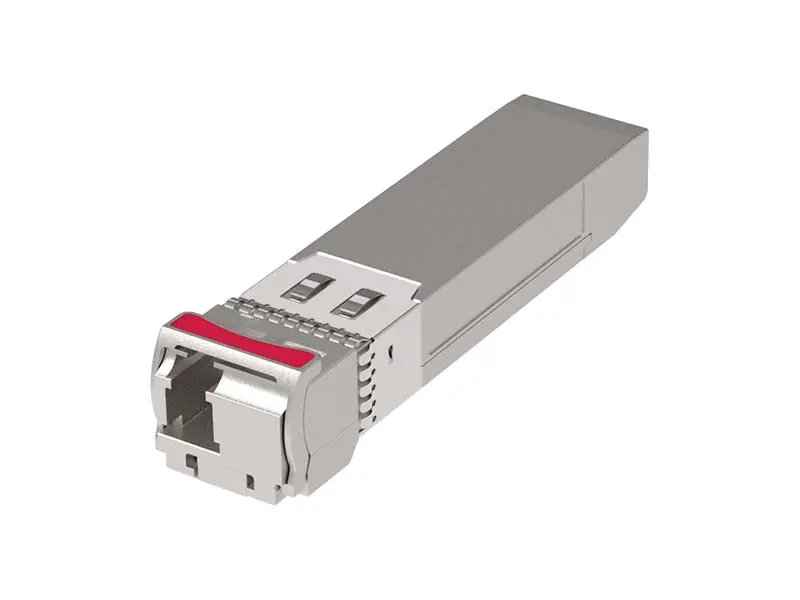 Other
Other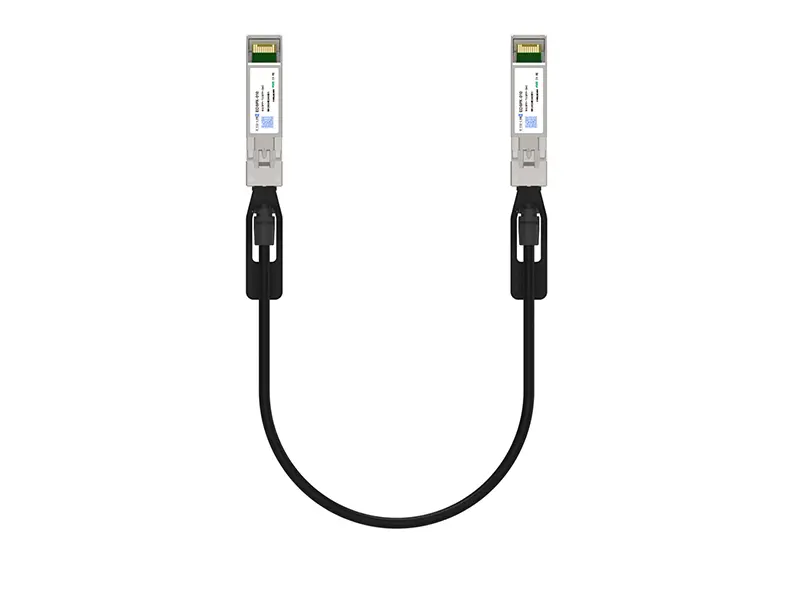 10G SFP+ DAC
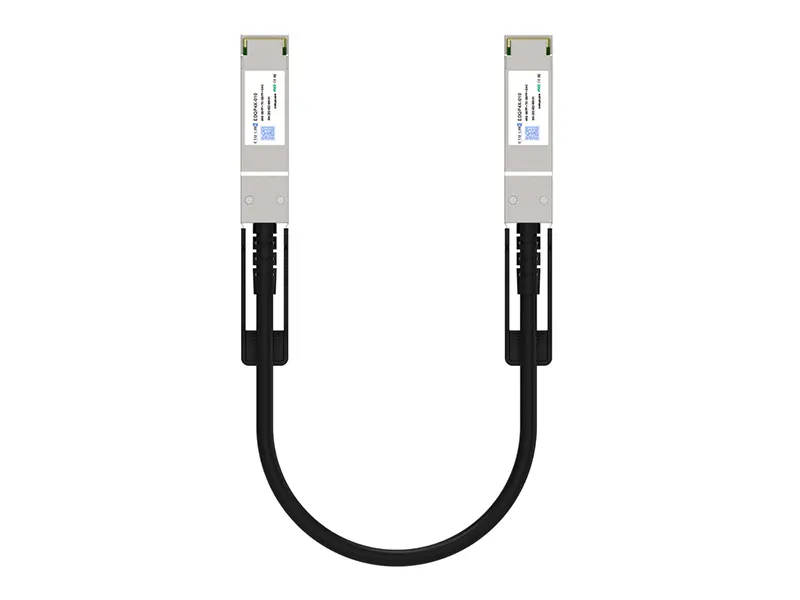 40G QSFP+ DAC
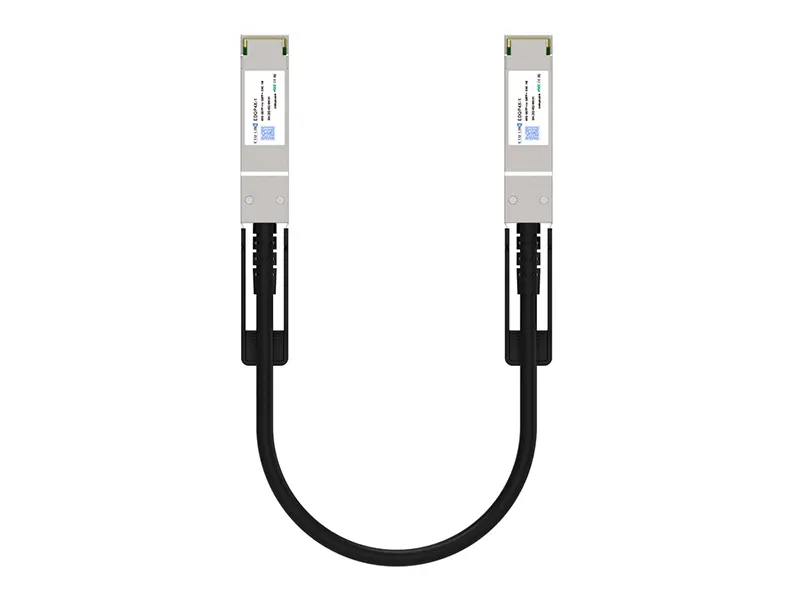 56G QSFP+ DAC
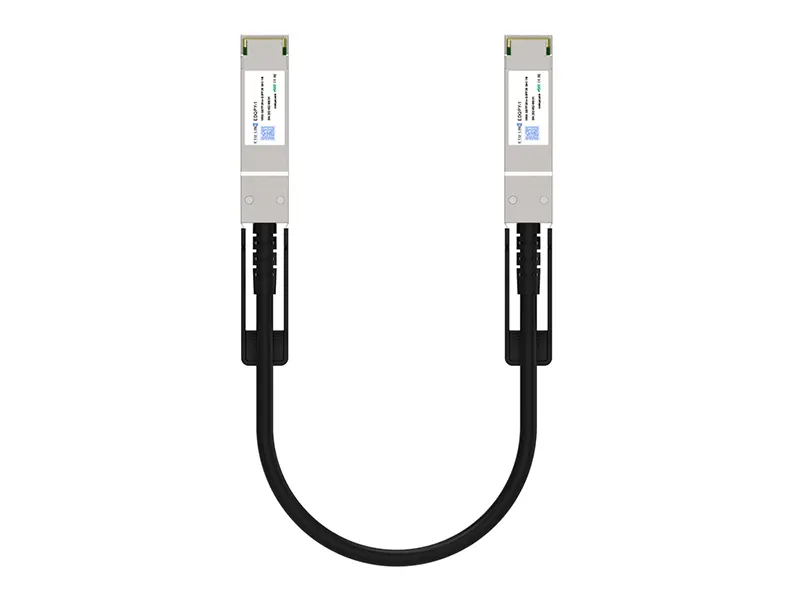 100G QSFP28 DAC
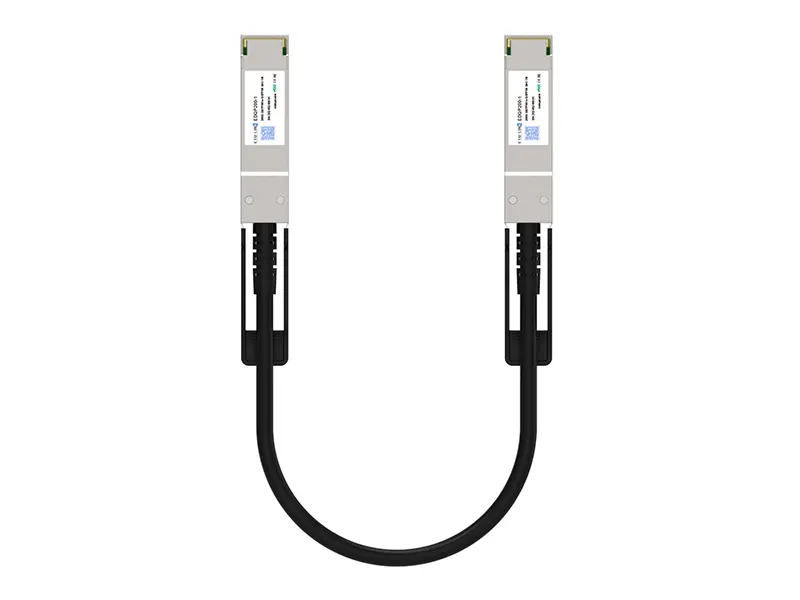 200G QSFP56 DD DAC
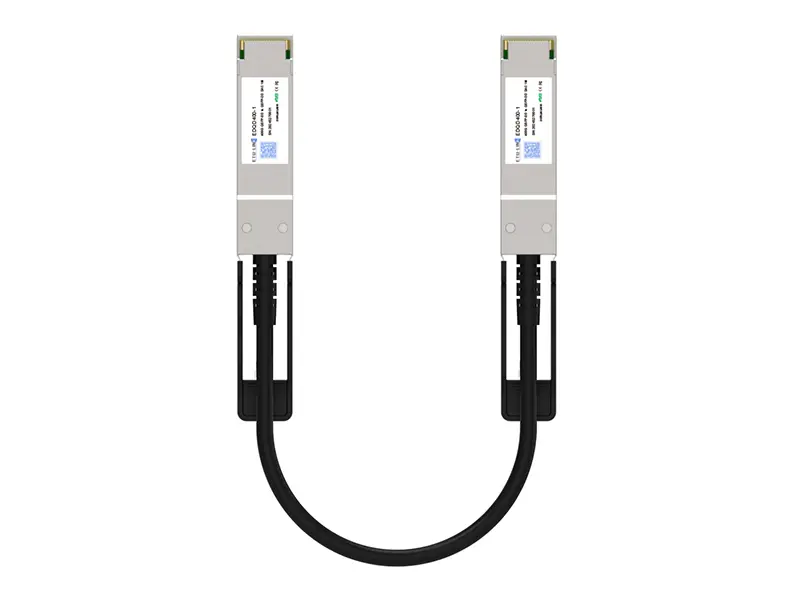 400G QSFP DD DAC
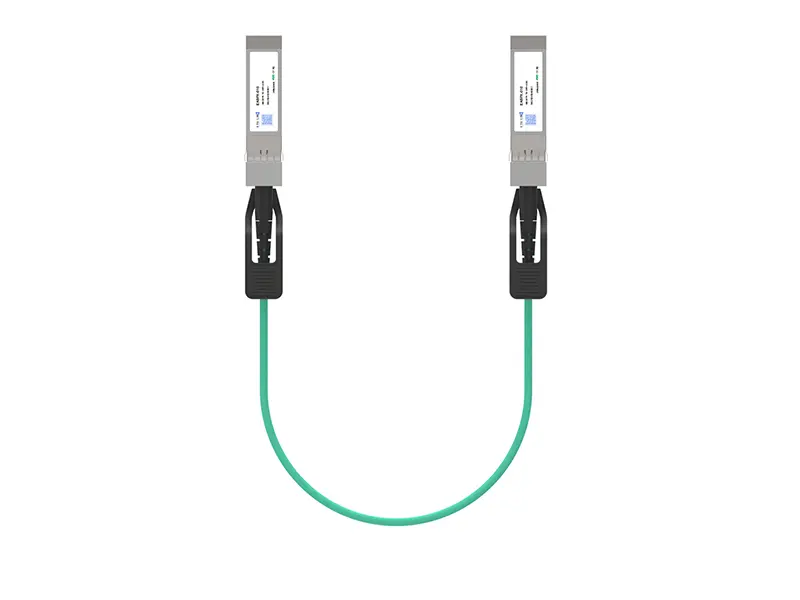 10G SFP+ AOC
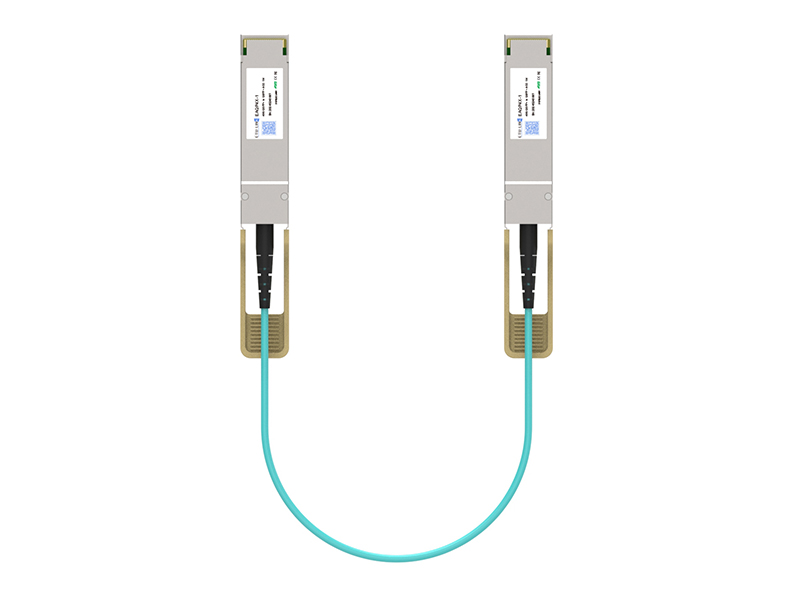 40G QSFP+ AOC
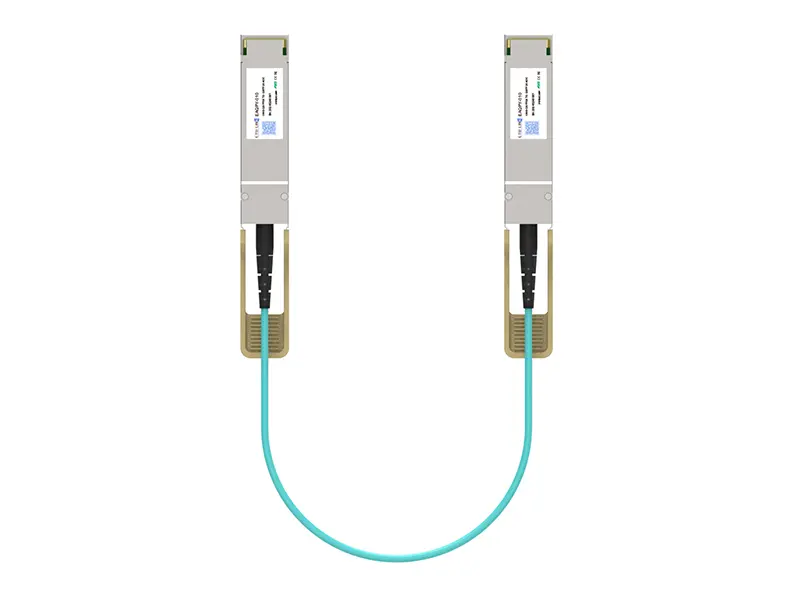 100G QSFP28 AOC
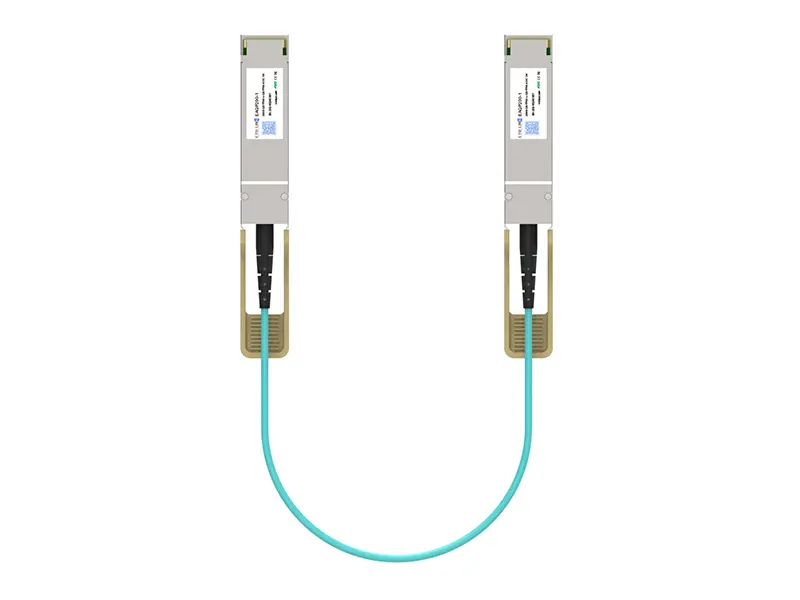 200G QSFP56 AOC
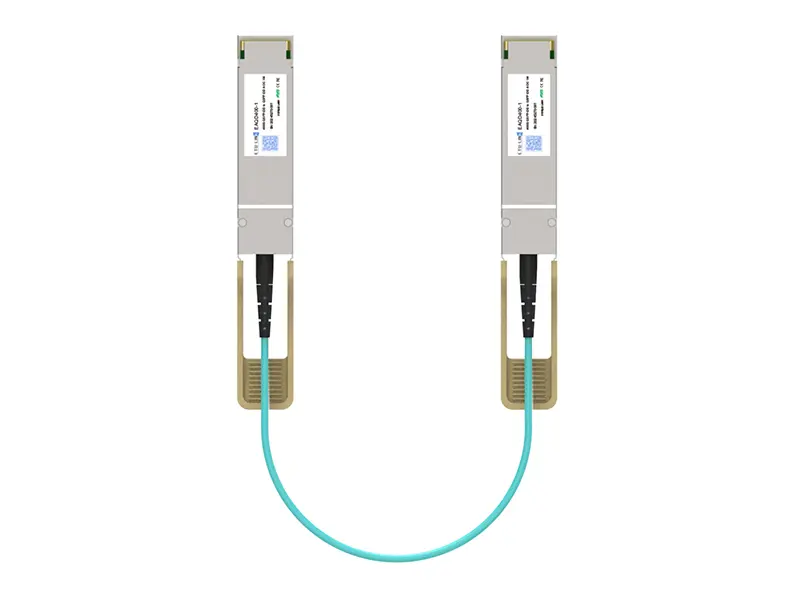 400G QSFP-DD AOC
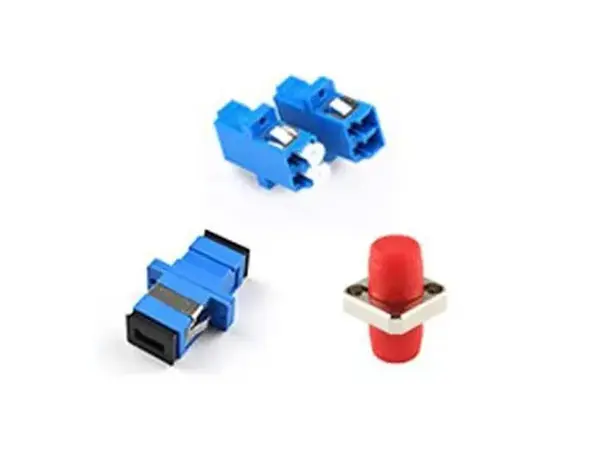 Adapter Details
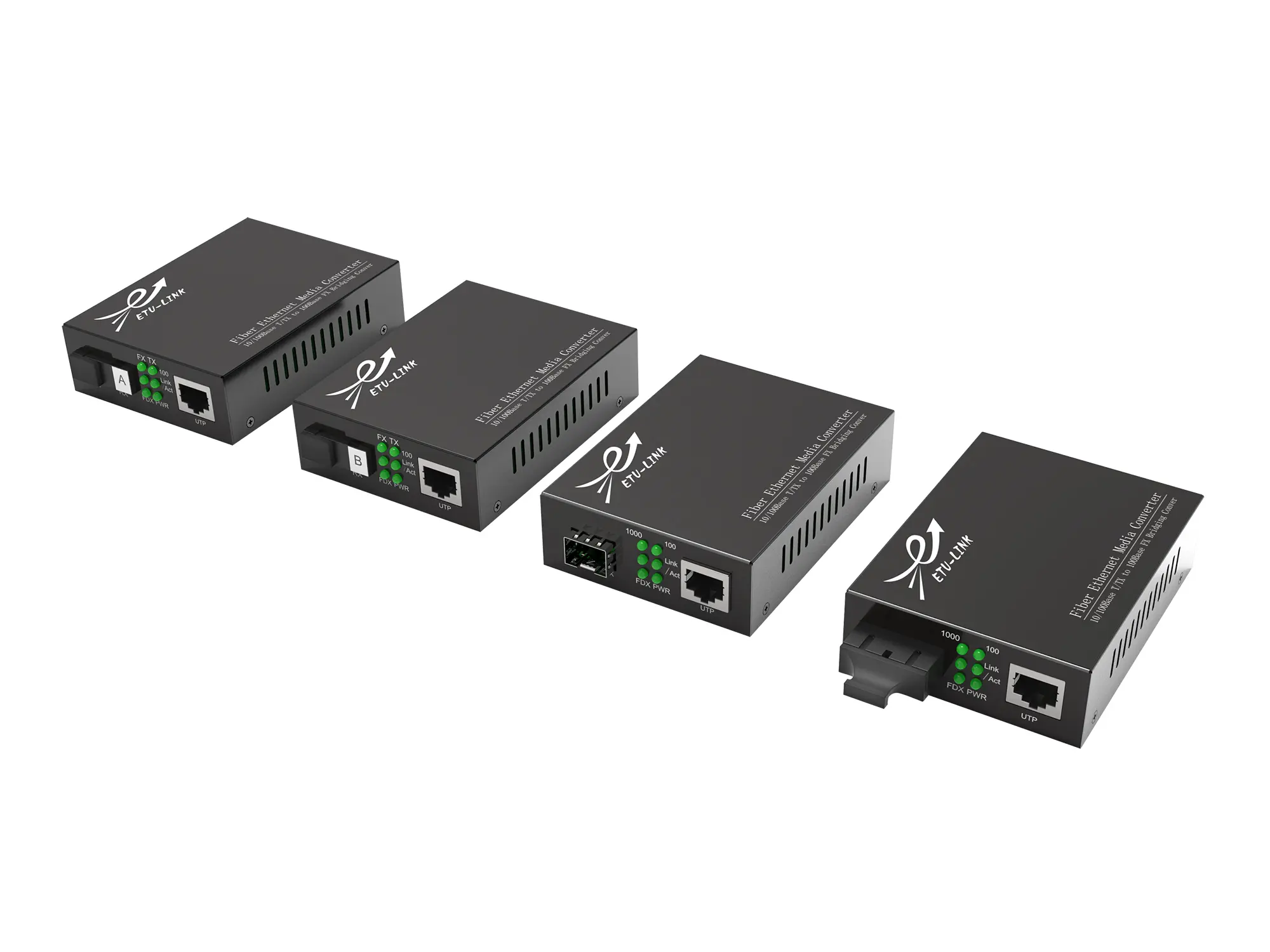 Media Converter