Top 5 Advantages of 10G DWDM 80km Technology for Modern Networks?
In today’s fast-paced digital landscape, the demand for high-speed data transmission is more pressing than ever. The emergence of 10G DWDM 80km technology has revolutionized network architecture. This innovative solution provides robust advantages for both businesses and consumers.
One significant benefit is increased bandwidth capacity. Organizations can now transmit large volumes of data with minimal latency. Enhanced signal clarity is another advantage, making connectivity more reliable over long distances. The ability to support multiple channels on a single fiber maximizes efficiency. This can lead to cost reductions in infrastructure investments.
Despite its impressive capabilities, some organizations may struggle with integration challenges. Legacy systems can hinder the adoption of modern technology. Nevertheless, the long-term benefits of 10G DWDM 80km can outweigh these hurdles. As networks evolve, embracing such advancements will be crucial for maintaining competitive edge and efficiency.
Overview of 10G DWDM Technology and Its Significance
10G DWDM
(Dense Wavelength Division Multiplexing) technology is a game-changer for modern networks. It allows for high-capacity data transmission over long distances. Recent industry reports indicate that organizations using this technology can achieve up to 80 kilometers of reach without significant signal degradation. This is critical, especially in areas where deploying fiber infrastructure is costly.
Moreover, the adoption of 10G DWDM enhances network efficiency. By utilizing multiple wavelengths, each carrying 10G of data, networks can realize a capacity increase of up to 80%. Studies show that with DWDM, network operators can reduce the number of physical fiber strands needed, cutting operational costs. However, this technology can be complex to implement and may require significant initial investments.
Experts note that while 10G DWDM offers robust advantages, it may not be suitable for every situation. In some cases, the technical demands can overwhelm smaller operators. The need for skilled personnel to manage and maintain the systems is crucial. Organizations must weigh the benefits against the challenges to ensure a practical implementation strategy.
Key Features of 10G DWDM Technology for Network Efficiency
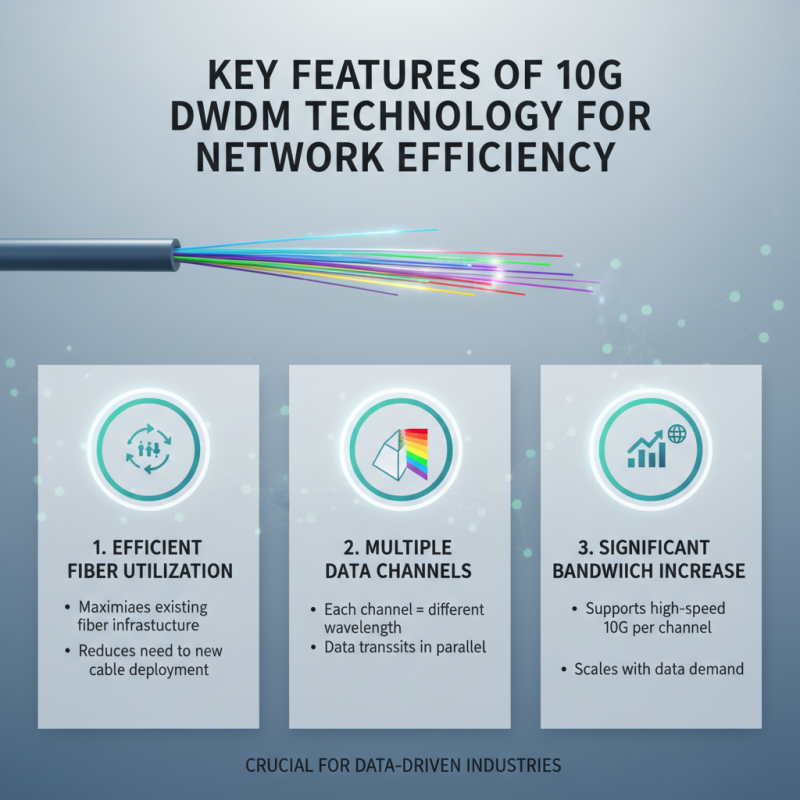
10G DWDM (Dense Wavelength Division Multiplexing) technology revolutionizes modern networking. This system efficiently utilizes available fiber capacity. It allows for multiple data channels to coexist on the same optical fiber. Each channel operates at a different wavelength, significantly increasing bandwidth. This flexibility is crucial for today's data-driven industries.
Key features of 10G DWDM enhance network efficiency. First, it supports long-distance transmission, up to 80 km, without degradation. This is vital for connecting metropolitan areas. The ability to layer several channels also optimizes network traffic. It reduces the need for costly infrastructure upgrades. However, the deployment of DWDM systems requires careful planning and expertise.
Effective use of this technology can lead to higher data throughput. Organizations must assess their specific needs before implementation. Although beneficial, some challenges arise. Proper maintenance is essential to ensure reliability. Additionally, ongoing training for staff is necessary for optimal operation. Balancing efficiency with these factors is critical for maximizing the potential of 10G DWDM technology.
Advantage 1: Enhanced Data Transmission Speeds and Capacities
In modern networks, the demand for speed and capacity is higher than ever. 10G DWDM technology over 80 kilometers delivers exceptional data transmission speeds. This technology effectively utilizes multiple wavelengths to carry data simultaneously. As a result, it can transmit vast amounts of information quickly and efficiently.
One striking benefit is the reduced latency. Lower latency means faster data transfer, crucial for applications like video conferencing and cloud computing. With enhanced speeds, organizations can streamline operations and support more users. However, managing such advanced technology can be challenging. Network administrators must ensure optimal configurations for maximum performance.
Another aspect to consider is cost efficiency. While initial investments may seem high, the long-term benefits can outweigh expenses. Yet, it requires careful planning and skilled personnel to maintain. Efficient use of this technology may involve frequent updates and monitoring. Organizations need to balance speed and resources, which sometimes leads to overlooked areas in network management.
Advantage 2: Improved Network Scalability and Flexibility
The rise of 10G DWDM (Dense Wavelength Division Multiplexing) technology has transformed modern networks, particularly concerning scalability and flexibility. This technology allows multiple wavelengths to be transmitted over a single fiber optic strand, effectively optimizing bandwidth. According to a report by ResearchAndMarkets, the global DWDM market is expected to grow at a CAGR of over 12% through 2026. Such growth indicates rising demand for scalable network solutions.
Scalability is vital for businesses anticipating growth. Traditional networks may struggle with increased data traffic, causing delays or outages. In contrast, 10G DWDM can easily expand, accommodating new wavelengths as needed. This flexibility reduces long-term costs by avoiding frequent upgrades or infrastructure overhauls. Reports suggest that networks leveraging DWDM can increase capacity by up to 35% without compromising performance.
Tips: Always assess the specific needs of your organization before implementing new technology. Consider future growth and how 10G DWDM can adapt. Consult industry specialists to identify best practices tailored to your requirements.
Flexibility also means integrating seamlessly with existing systems. Organizations can migrate to 10G DWDM without complete overhauls. However, some may find that evaluating current setups exposes compatibility issues, necessitating careful planning and testing. This stage is crucial for maximizing the benefits of new technology.
Top 5 Advantages of 10G DWDM 80km Technology for Modern Networks
Advantage 2: Improved Network Scalability and Flexibility
Advantage 3: Cost-Effectiveness in Long-Distance Communication
Cost-effectiveness is a key advantage of 10G DWDM technology, especially for long-distance communication. This technology significantly reduces the need for multiple physical connections. Fewer cables mean lower installation and maintenance costs. Businesses can save resources while enhancing their networking capabilities.
Long-distance communication often incurs high expenses. Utilizing 10G DWDM allows networks to transmit large amounts of data over vast distances without needing repeaters. This efficiency cuts operational costs significantly. However, organizations must also consider the initial setup costs. While the technology is effective, it often requires a higher upfront investment.
Moreover, the long-term benefits can outweigh those initial expenses. Organizations that adopt 10G DWDM may experience enhanced bandwidth at lower costs over time. It is essential to evaluate the specific needs and usage patterns. Each network's requirements can differ drastically. Businesses should analyze their traffic trends before transitioning. Making informed decisions can lead to sustainable growth and efficiency.
Top 5 Advantages of 10G DWDM 80km Technology for Modern Networks
| Advantage |
Description |
Impact on Costs |
Use Cases |
| High Capacity |
Supports multiple wavelengths to transmit large amounts of data over a single optical fiber. |
Reduces the need for additional infrastructure investments. |
Data centers, cloud services, and ISPs. |
| Long Distance |
Provides reliable data transmission over distances up to 80km without significant signal loss. |
Minimizes relay stations, lowering operational costs. |
Campus networks, connecting remote sites. |
| Cost-Effectiveness |
Reduces overall system costs due to fewer components and simplified network design. |
Decreases long-term operational and maintenance expenses. |
Telecommunication providers, enterprise networks. |
| Scalability |
Easily scalable to accommodate future bandwidth increases without major upgrades. |
Helps avoid costly overhauls as demand grows. |
Growing businesses, evolving network demands. |
| Energy Efficiency |
Designed for lower power consumption compared to older technologies. |
Lowers energy costs and enhances corporate sustainability efforts. |
Enterprises aiming for green technology solutions. |

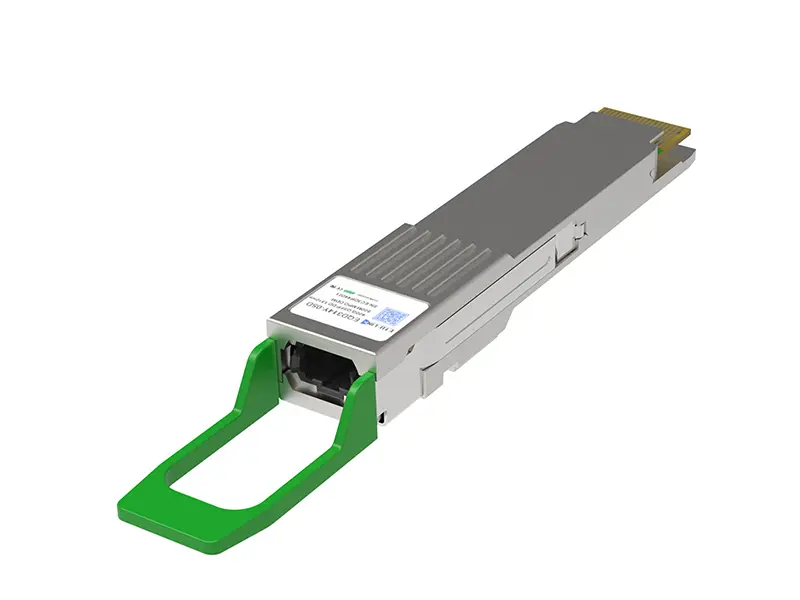 400G
400G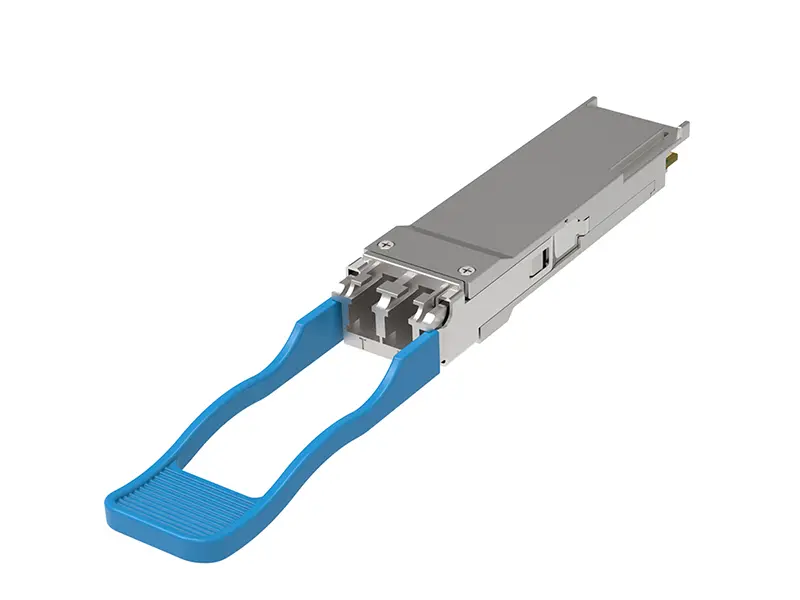 200G
200G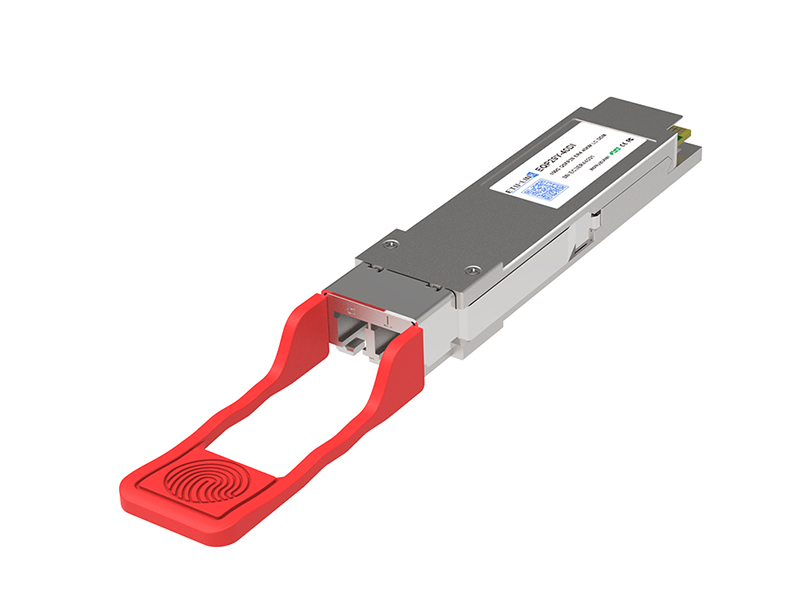 100G
100G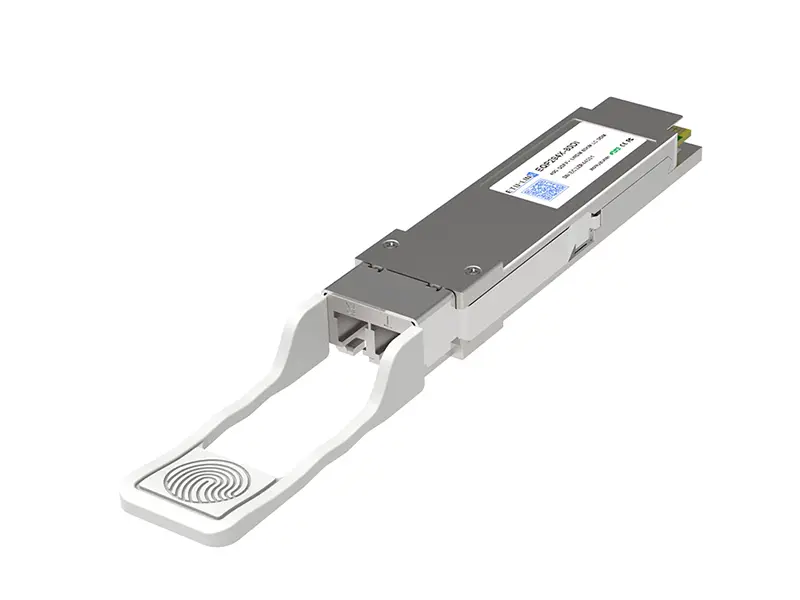 40G
40G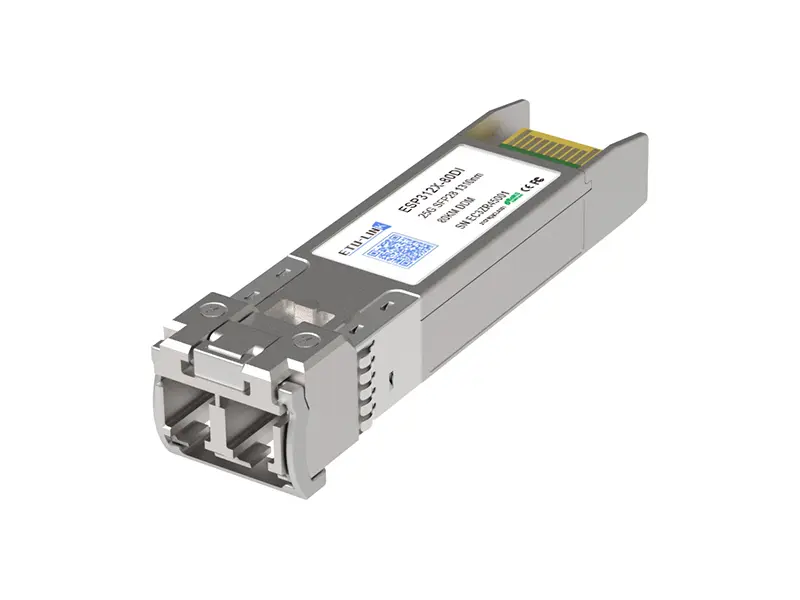 25G
25G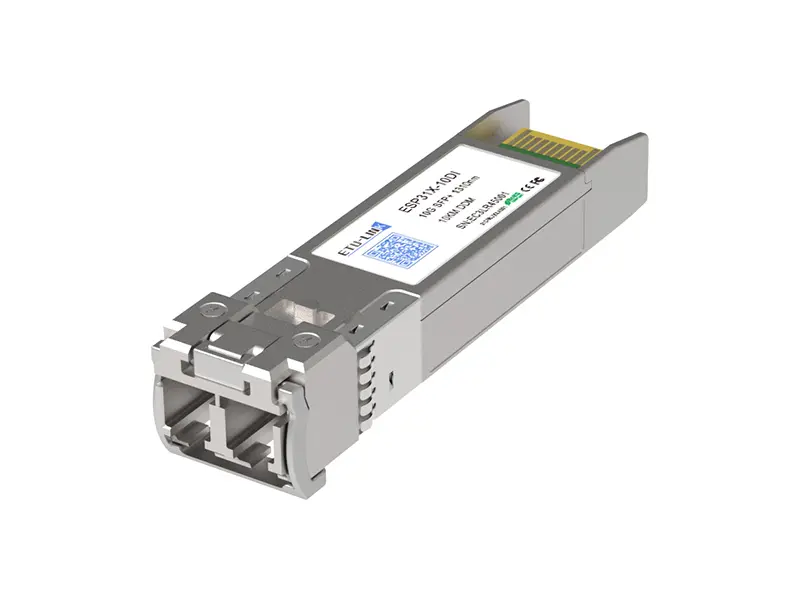 10G
10G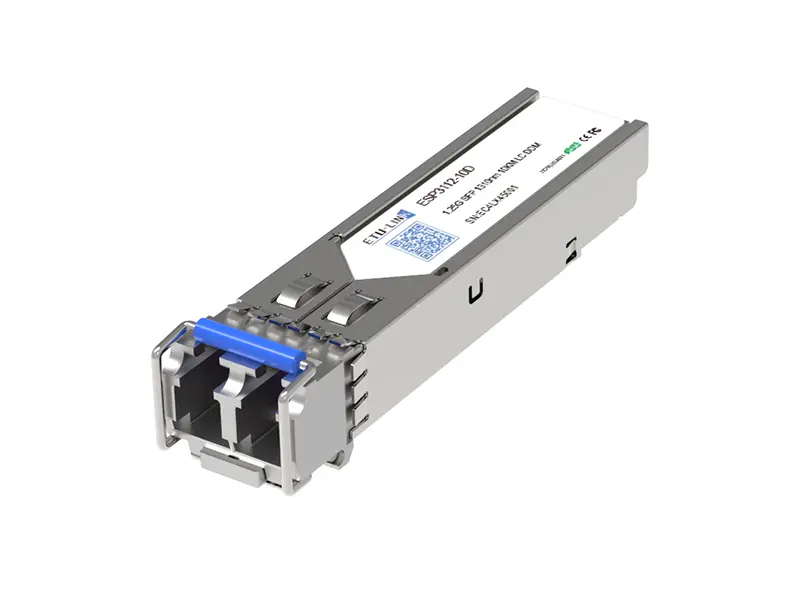 1G
1G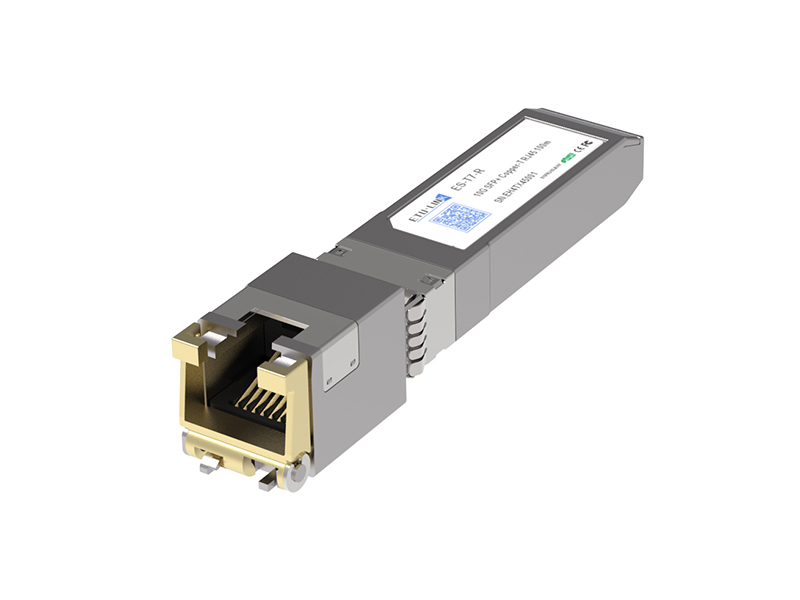 COPPER-T
 Other
Other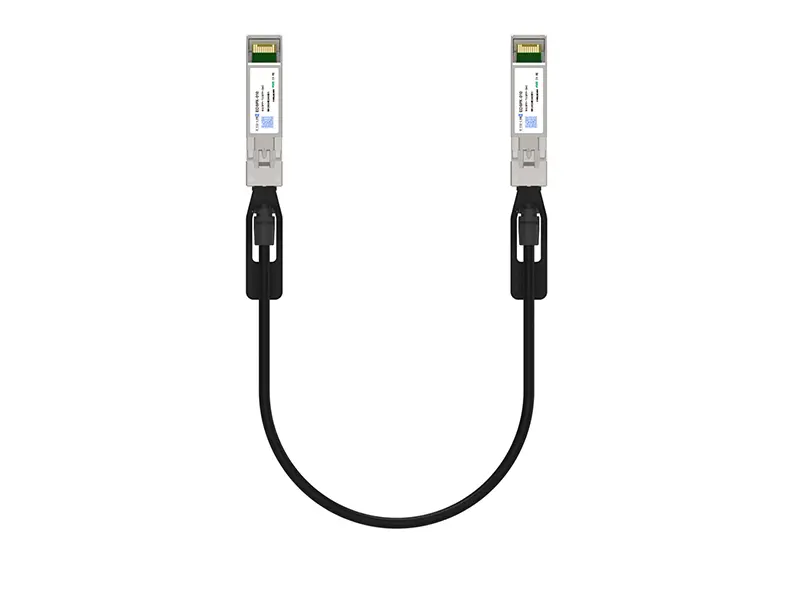 10G SFP+ DAC
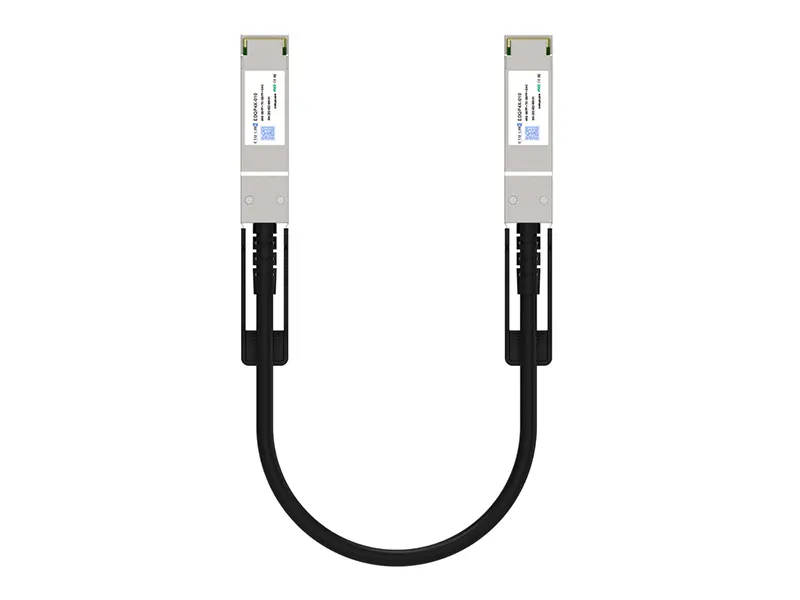 40G QSFP+ DAC
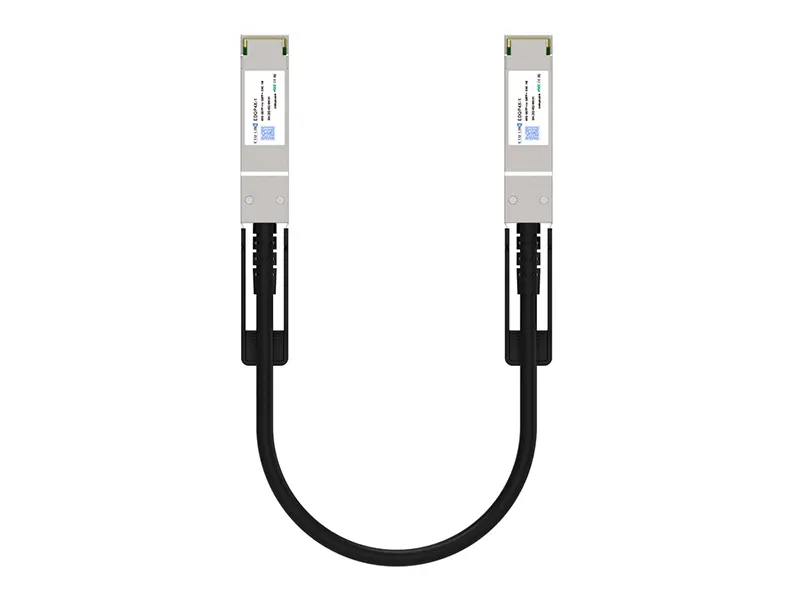 56G QSFP+ DAC
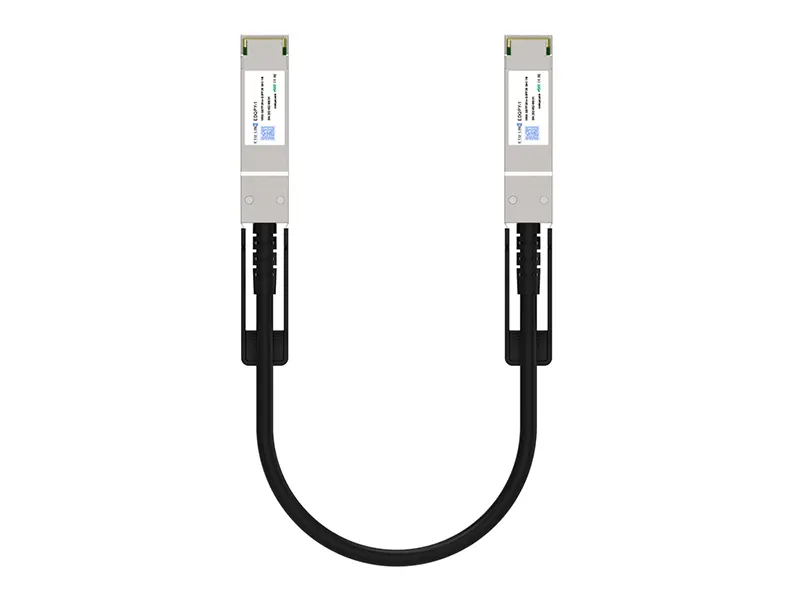 100G QSFP28 DAC
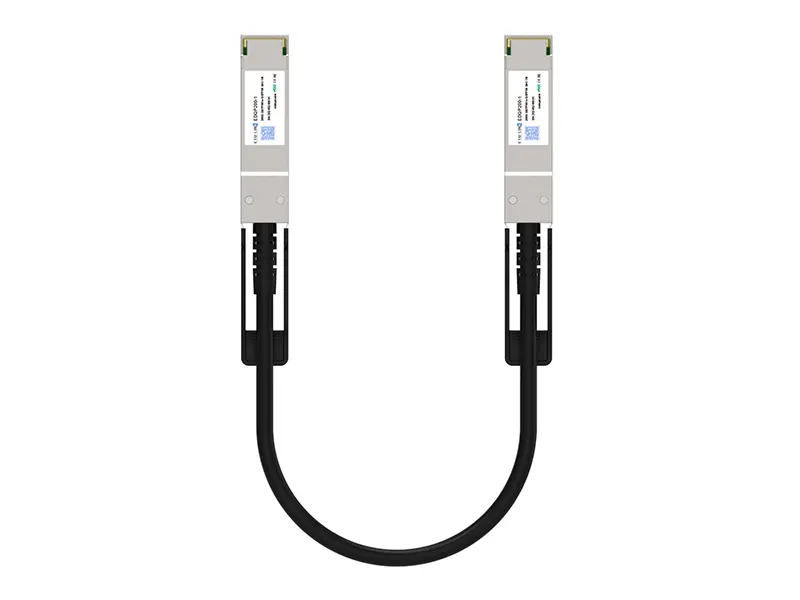 200G QSFP56 DD DAC
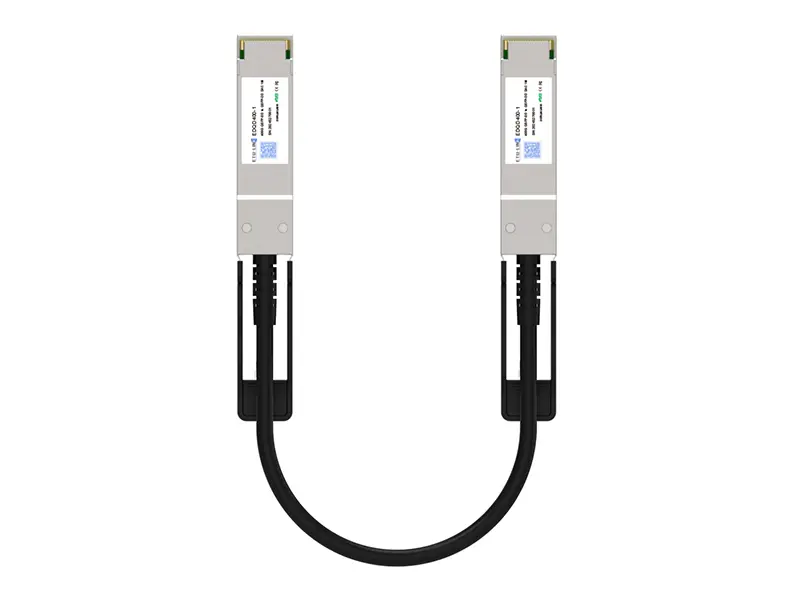 400G QSFP DD DAC
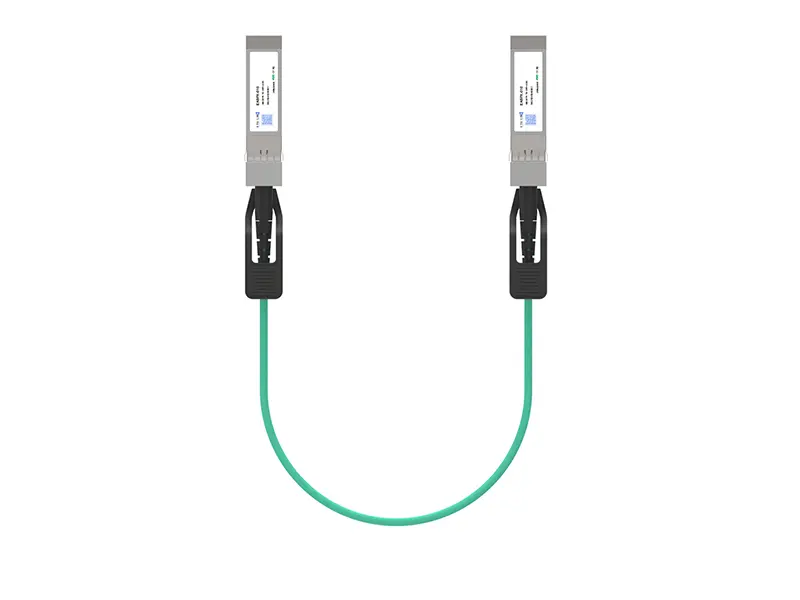 10G SFP+ AOC
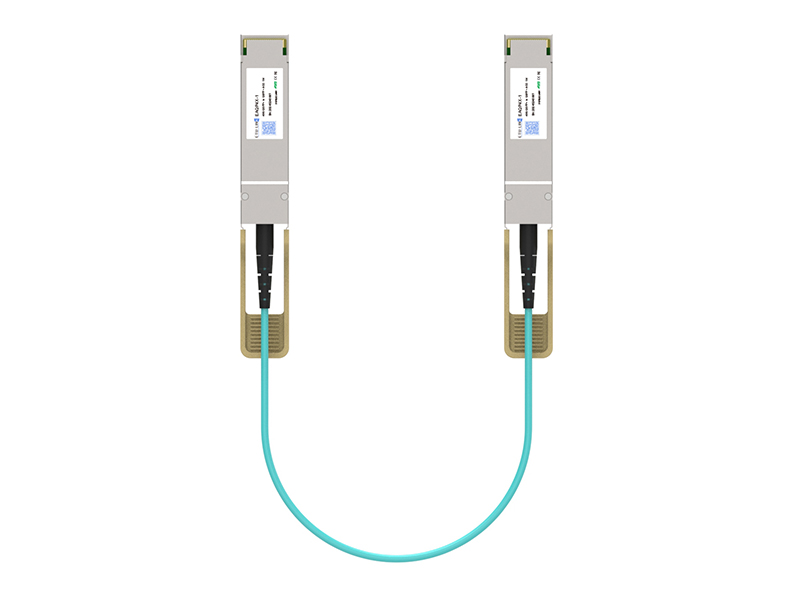 40G QSFP+ AOC
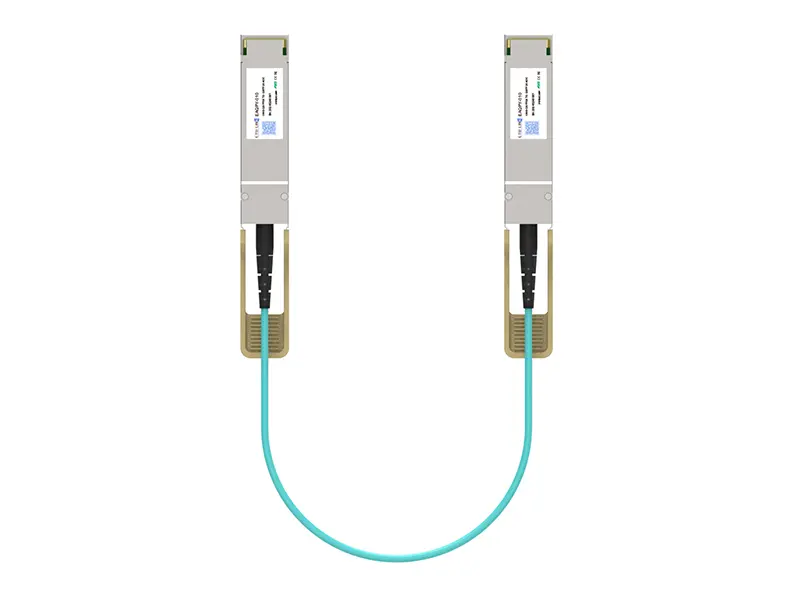 100G QSFP28 AOC
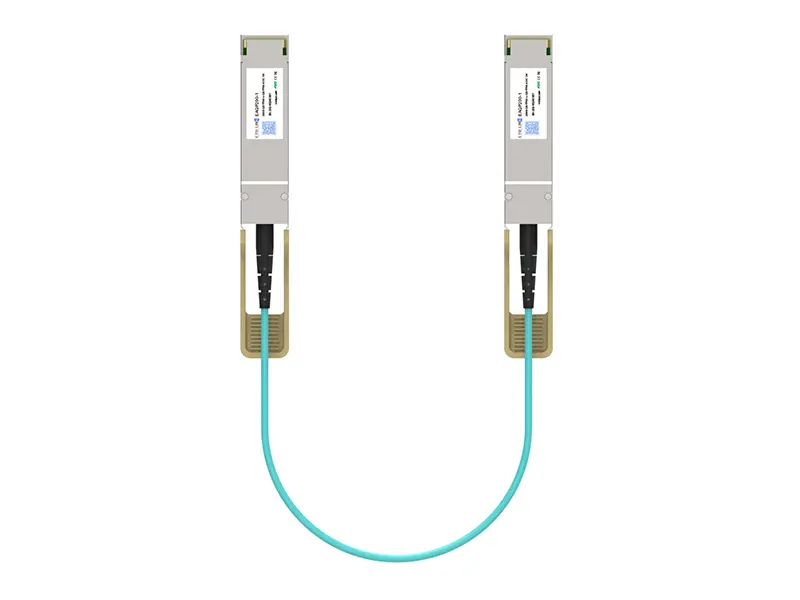 200G QSFP56 AOC
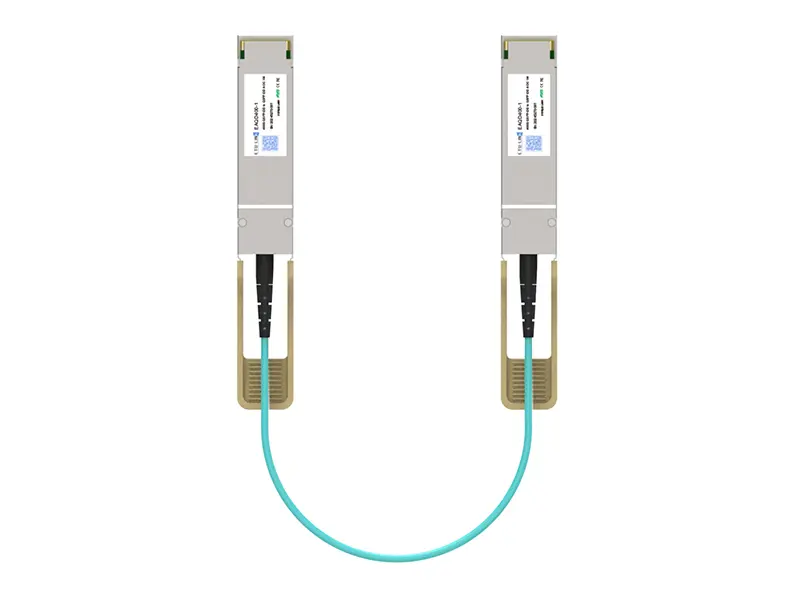 400G QSFP-DD AOC
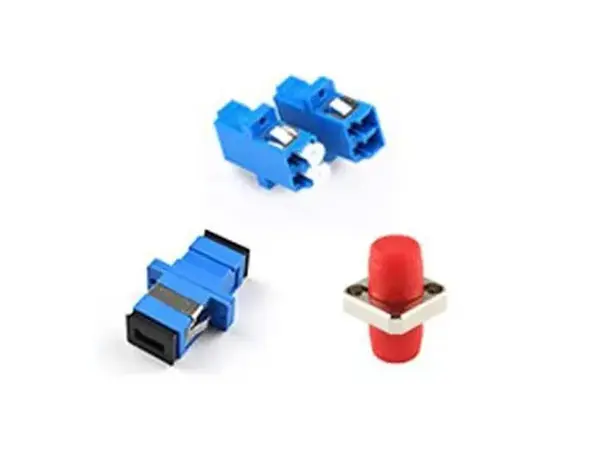 Adapter Details
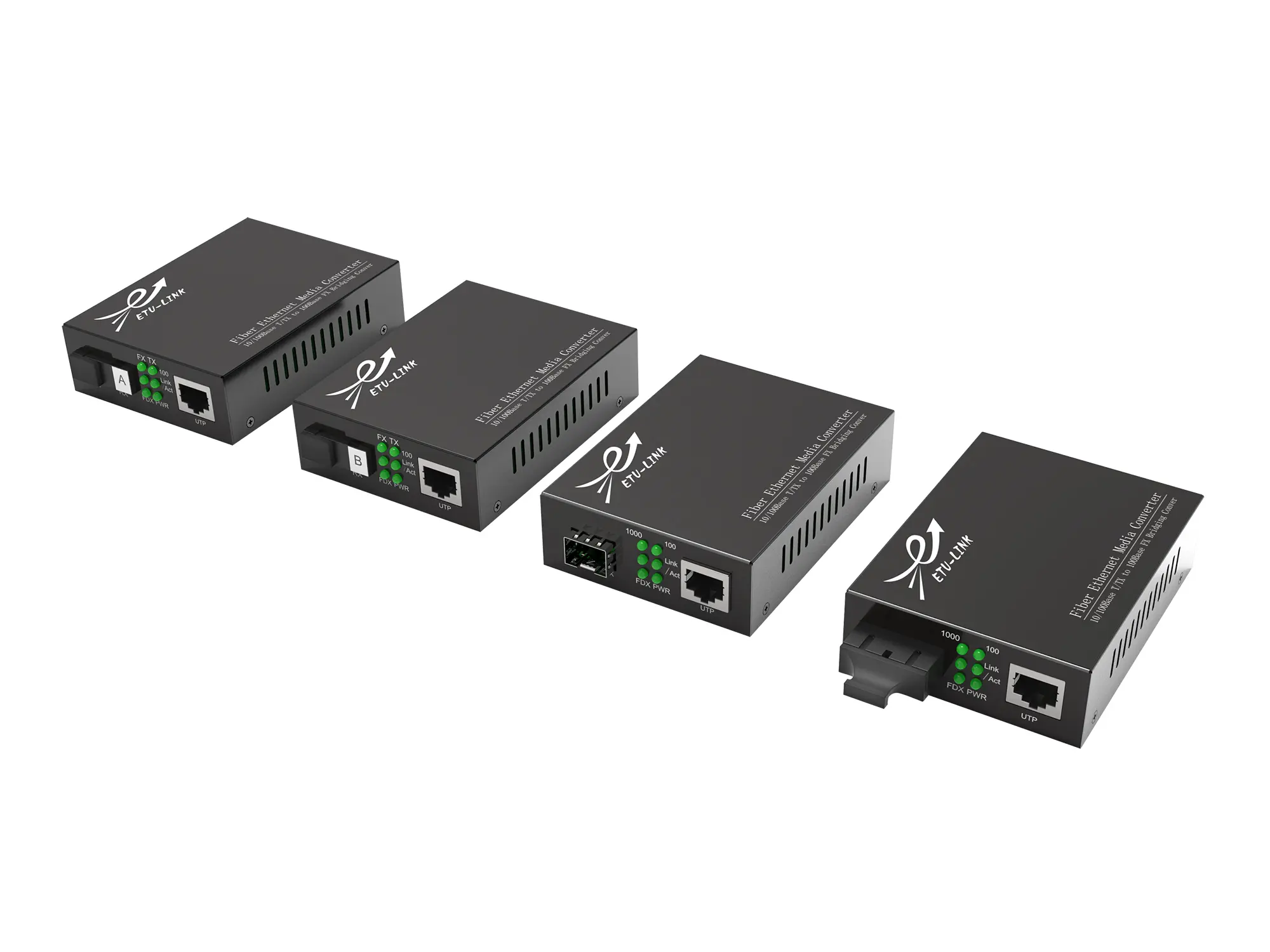 Media Converter