Top 10 Benefits of 40G QSFP+ Active Optical Cable for Buyers?
The demand for high-speed data transmission is rising steadily across various industries. Analysts predict that by 2026, the global optical fiber cable market will reach $10 billion. Within this context, the 40G QSFP+ Active Optical Cable stands out as a game-changer. It offers remarkable bandwidth and efficiency, crucial for data centers and high-performance computing. A study from Dell'Oro Group indicates that the market for 40G optical solutions is expected to grow significantly, driven by the need for faster connections.
Adoption of the 40G QSFP+ Active Optical Cable not only accelerates data transfer rates but also optimizes power consumption. This cable's lightweight structure reduces installation complexity, enhancing overall productivity. However, buyers should carefully evaluate their specific needs. The technology is not without challenges, including compatibility issues with legacy systems. Decisions on the right optical cable must be informed by comprehensive research and expert advice.
Understanding these factors leads to smarter purchasing choices. By recognizing the essential benefits, buyers can harness the full potential of 40G QSFP+ Active Optical Cables. Embracing this technology can pave the way for improved communication infrastructure, ultimately supporting future growth.
Overview of 40G QSFP+ Active Optical Cable Technology
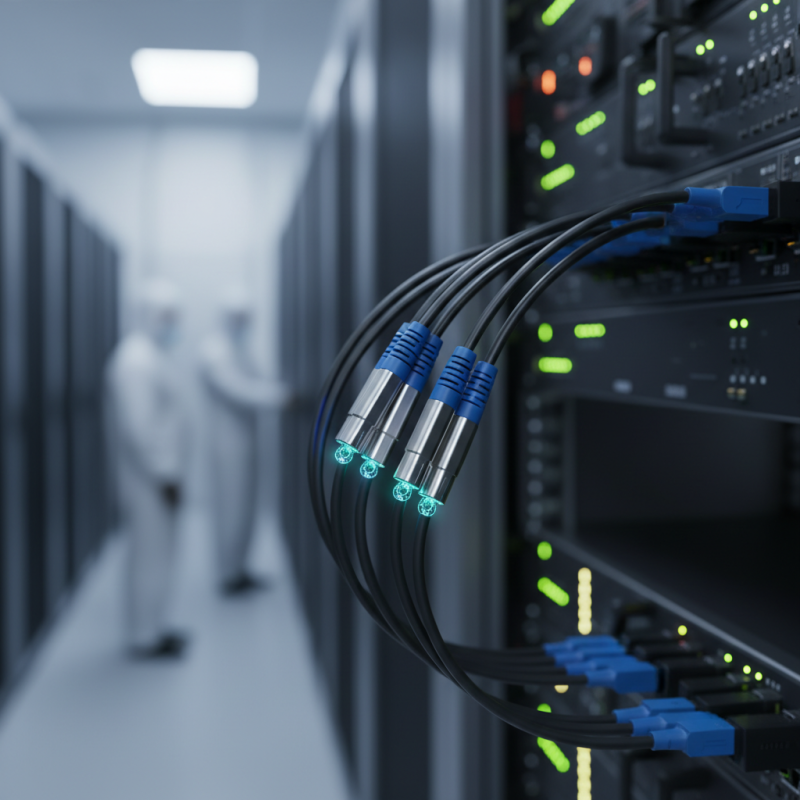
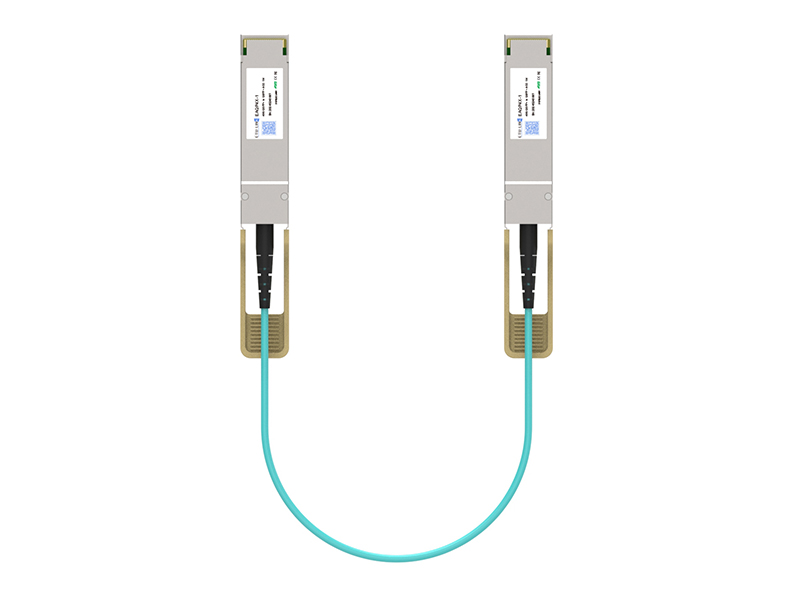
The 40G QSFP+ Active Optical Cable (AOC) is a key innovation in data transmission technology. It utilizes advanced optical fibers to deliver high-speed data with minimal power consumption. This makes it an excellent choice for data centers and networking applications. Users benefit from its lightweight design, which simplifies installation and reduces the load on racks and shelves.
The technology behind AOCs involves converting electrical signals into optical signals. These signals travel through the fiber and are converted back, ensuring data integrity over long distances. The cables support distances up to 300 meters, making them suitable for various environments. Moreover, AOCs are often more cost-effective than traditional copper cables when considering their performance and longevity.
However, users should consider compatibility issues with existing hardware. The transition to optical technology may require additional investment in compatible devices. There could also be concerns about the fragility of optical fibers compared to copper alternatives. While AOCs offer significant benefits, careful planning is essential to maximize their potential in networking solutions. They represent a step towards faster, more efficient data handling in an increasingly digital world.
Cost-Effectiveness: How 40G QSFP+ Cables Save Money
Cost-effectiveness is a crucial factor for buyers considering 40G QSFP+ active optical cables. These cables reduce costs significantly compared to traditional copper alternatives. They deliver high-speed data transmission without the bulk and weight of copper. This means lower infrastructure costs, especially in larger data centers or campuses.
Energy efficiency also plays a role in saving money. Optical cables consume less power, resulting in lower electricity bills. This can be an overlooked detail that makes a substantial impact over time. Moreover, their longer reach can minimize the need for additional equipment, such as repeaters, which can add further expenses.
Despite these advantages, buyers need to weigh possible drawbacks. Installation can be more complex. Skilled technicians may be needed, which can increase initial costs. It's vital to evaluate these factors carefully. Long-term savings are clear, but initial investments may seem daunting. Balancing costs and benefits will lead to informed decisions.
Performance Advantages: Speed and Efficiency of 40G QSFP+ Cables
The 40G QSFP+ Active Optical Cable (AOC) stands out for its impressive speed and efficiency. This cable supports speeds up to 40 Gbps, making it ideal for high-demand environments. It’s particularly beneficial for data centers and cloud computing applications. The reduced latency enhances data transfer, which is crucial for real-time analytics.
In terms of efficiency, AOCs are lightweight and flexible. This design helps reduce energy consumption and simplifies installation. AOCs also offer low signal loss over longer distances. Many buyers appreciate this factor, especially when upgrading network infrastructure. However, a common issue is environmental susceptibility. AOCs can be more sensitive to temperature changes compared to traditional cables.
While the advantages are notable, potential buyers must consider their specific needs. Not every application will benefit from AOCs, especially in environments where ruggedness is essential. Reflecting on these aspects can help ensure that the investment aligns with long-term goals. Proper assessment of operational needs can lead to better decisions in selecting the right type of cabling.
Top 10 Benefits of 40G QSFP+ Active Optical Cable for Buyers
| Benefit |
Description |
Performance Advantage |
| High Speed |
Offers data transmission speeds up to 40 Gbps. |
Optimal for high-bandwidth applications. |
| Low Latency |
Minimizes delay in data transmission. |
Enhances real-time performance. |
| Energy Efficient |
Reduces power consumption compared to copper cables. |
Lower operational costs. |
| Lightweight Design |
Easier to install and manage. |
Improves overall network efficiency. |
| Long Reach |
Supports distances up to 300 meters. |
Ideal for large data centers. |
| Enhanced Flexibility |
Can be used in a variety of configurations. |
Allows for adaptable network setups. |
| Improved Scalability |
Facilitates easy upgrades to higher capacities. |
Meets future network demands. |
| Cost-Effective |
Reduces installation and maintenance costs over time. |
Offers long-term savings. |
| Reliable Performance |
Delivers stable connection even under high loads. |
Ensures consistent service quality. |
| Future-Proof Technology |
Compatible with evolving data center needs. |
Supports ongoing technology advancements. |
Flexibility and Scalability: Adapting to Growing Network Needs
In today's fast-paced digital world, flexibility and scalability are essential for network infrastructure. The 40G QSFP+ Active Optical Cable (AOC) presents a compelling solution to meet the demands of growing networks. According to the latest industry report, the adoption of high-speed connections is increasing, with predictions of a 25% annual growth in demand for AOCs over the next five years. This reflects the urgent need for solutions that can easily adapt to evolving requirements.
AOCs provide excellent bandwidth and can support distances of up to 100 meters, making them ideal for data centers and enterprise networks. Their lightweight and slim form factor promote improved airflow and ease of installation. As networks expand, AOCs can be seamlessly integrated without significant downtime or complex configurations. This adaptability ultimately saves time and resources, crucial in a competitive landscape.
Tip: When selecting cabling solutions, consider future growth. Opt for cables that not only meet current needs but can easily scale with your business.
Moreover, integrating AOCs helps reduce power consumption, as they require less energy compared to traditional copper solutions. This eco-friendly aspect appeals to organizations aiming to minimize their carbon footprint. However, organizations must reflect on the upfront investment. While initial costs might be higher, the long-term savings and performance gains can outweigh these concerns.
Tip: Assess the total cost of ownership when evaluating cabling options to ensure long-term value.
Environmental Benefits: Energy Efficiency of 40G QSFP+ Cables
Active Optical Cables (AOCs) like the 40G QSFP+ are gaining traction in various sectors, notably for their energy efficiency features. Reports indicate that AOCs use significantly less energy than traditional copper cables. A study by the Green Electronics Council shows that AOCs can reduce energy consumption by up to 40%. This decrease not only lowers operational costs but also aligns with sustainability goals.
Environmental impact extends beyond direct energy savings. The production of AOCs generates fewer carbon emissions compared to copper alternatives. A recent analysis highlighted that transitioning to optical cables could cut carbon footprints by around 30%. This transition is crucial for companies aiming to enhance their corporate social responsibility profiles.
While the initial investment in 40G QSFP+ AOCs may seem high, potential energy savings and environmental benefits can lead to a break-even point over time. Organizations must weigh the upfront costs against long-term savings. Choosing a more energy-efficient option promotes sustainability but requires careful consideration of their specific needs. Balancing performance and environmental stewardship is essential in today's tech-driven landscape.
Top 10 Benefits of 40G QSFP+ Active Optical Cable: Energy Efficiency Comparison
This bar chart illustrates the energy consumption of various cable types, emphasizing the efficiency of 40G QSFP+ AOC cables compared to their counterparts. As shown, 40G QSFP+ AOC cables significantly reduce energy costs and environmental impact.

 400G
400G 200G
200G 100G
100G 40G
40G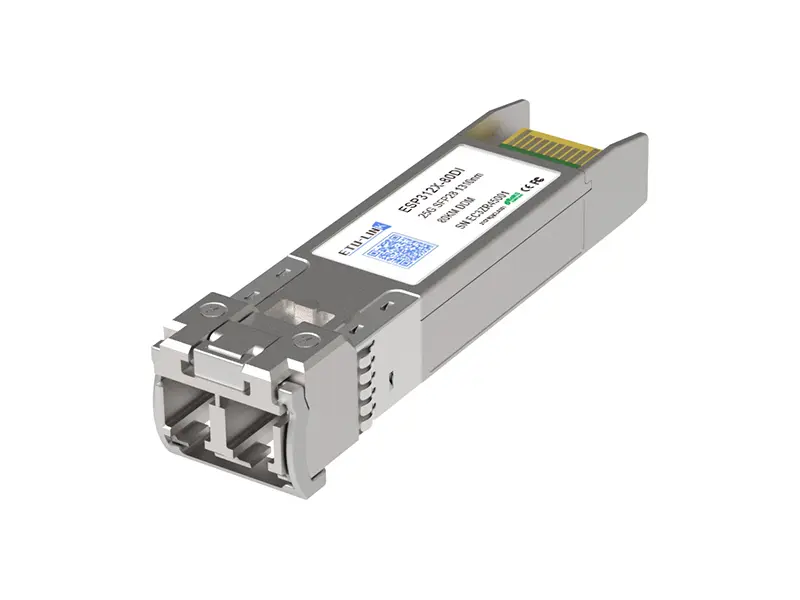 25G
25G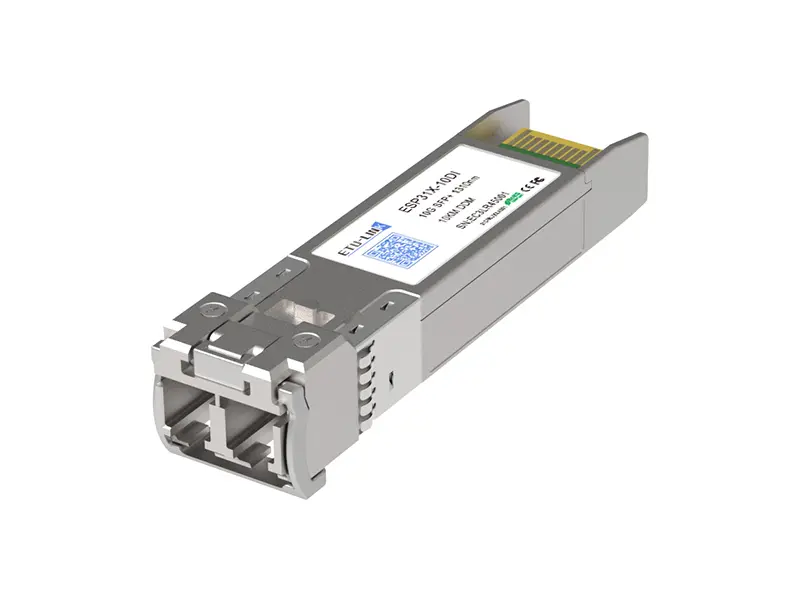 10G
10G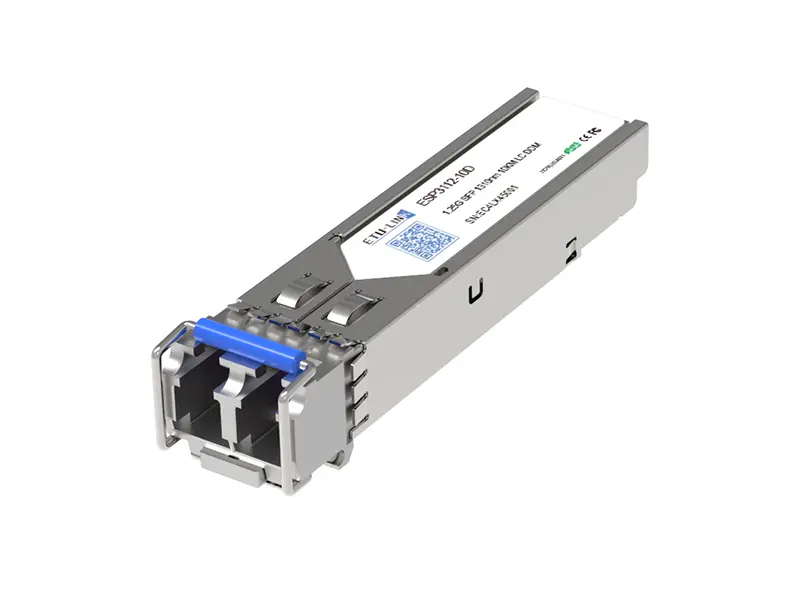 1G
1G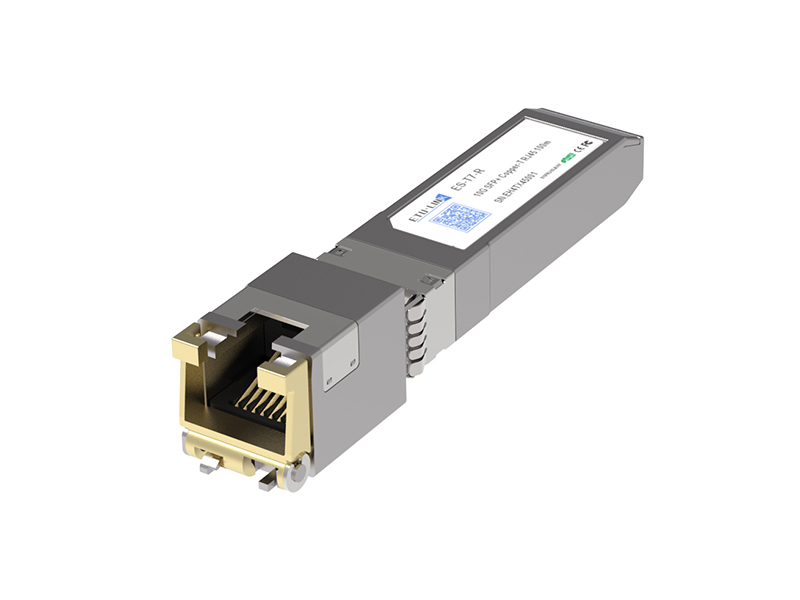 COPPER-T
 Other
Other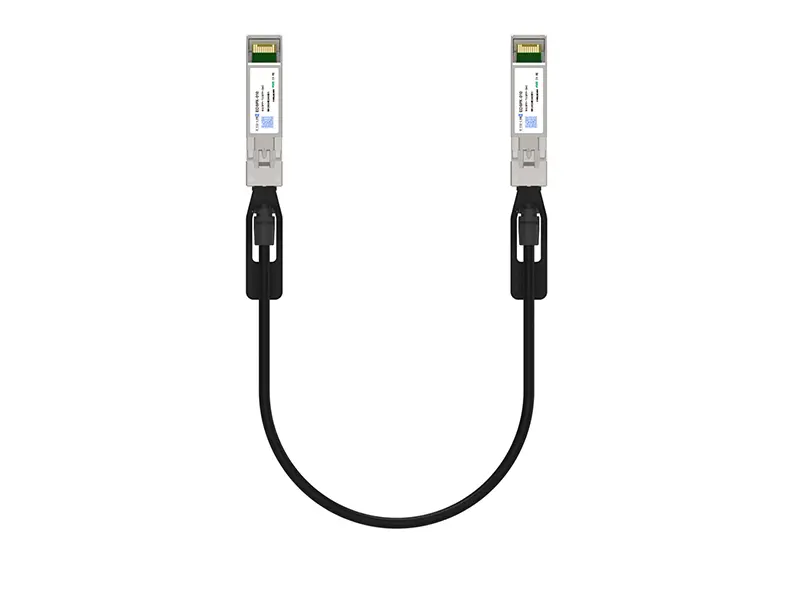 10G SFP+ DAC
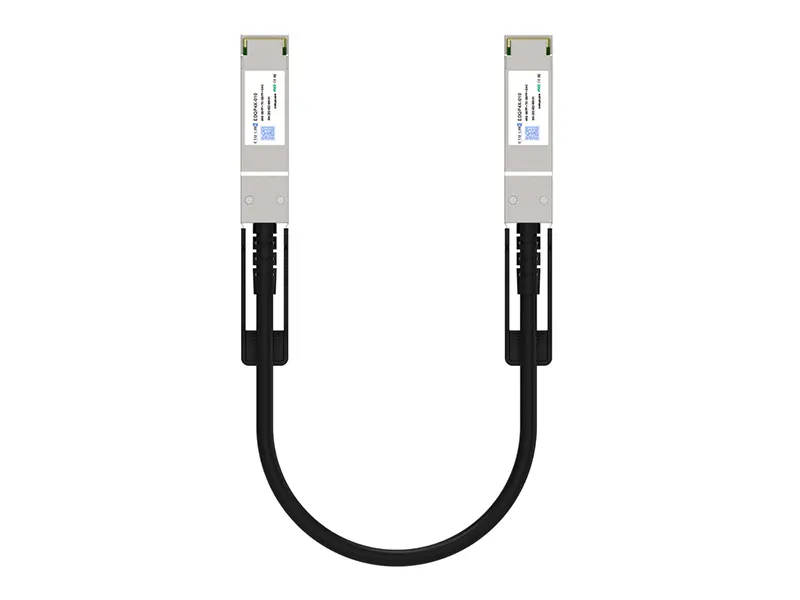 40G QSFP+ DAC
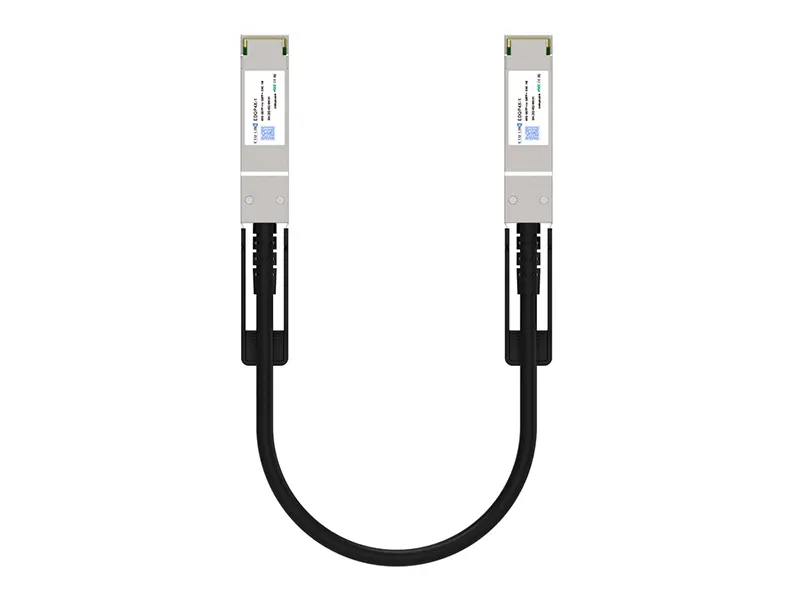 56G QSFP+ DAC
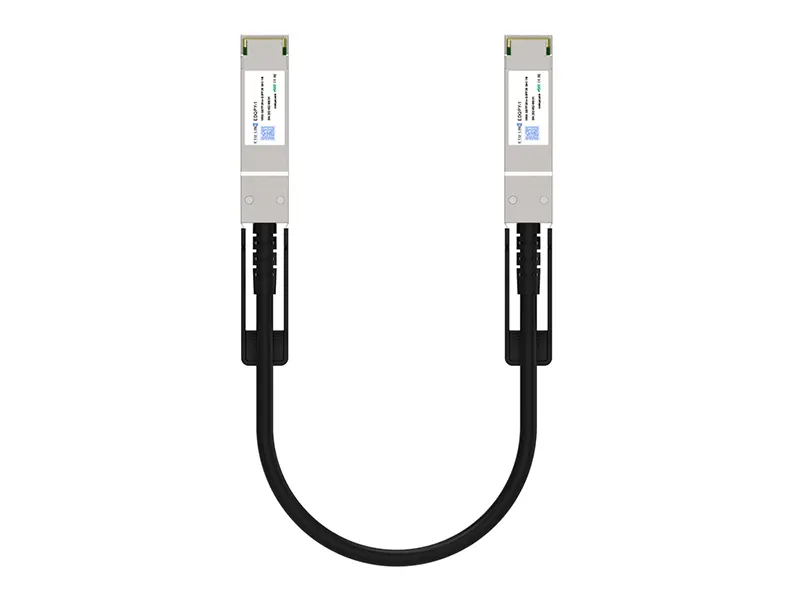 100G QSFP28 DAC
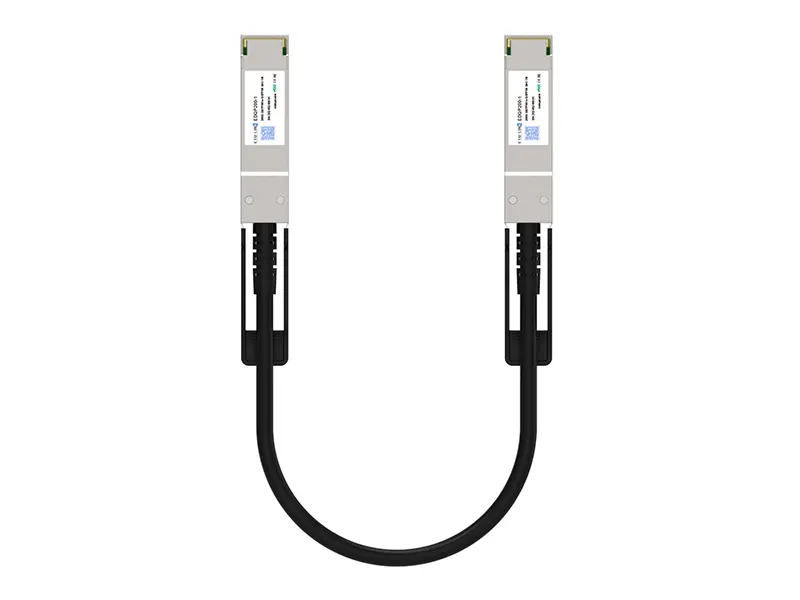 200G QSFP56 DD DAC
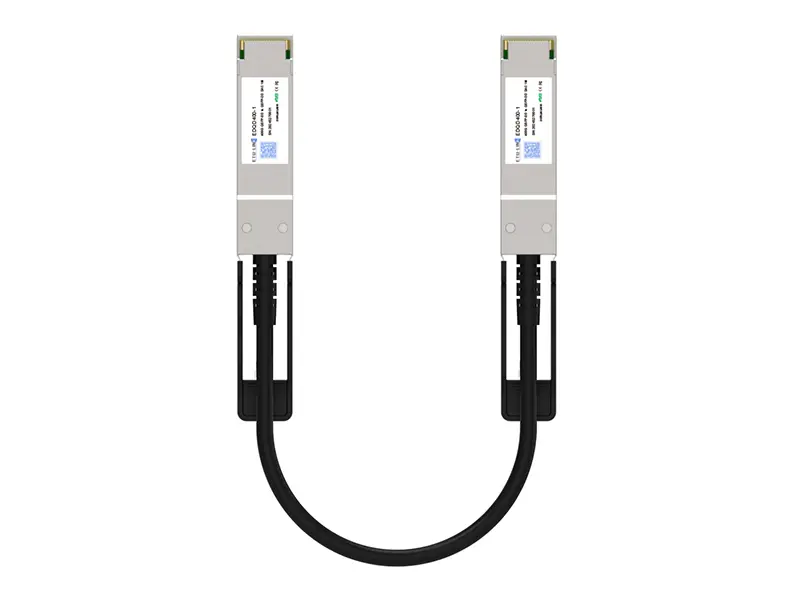 400G QSFP DD DAC
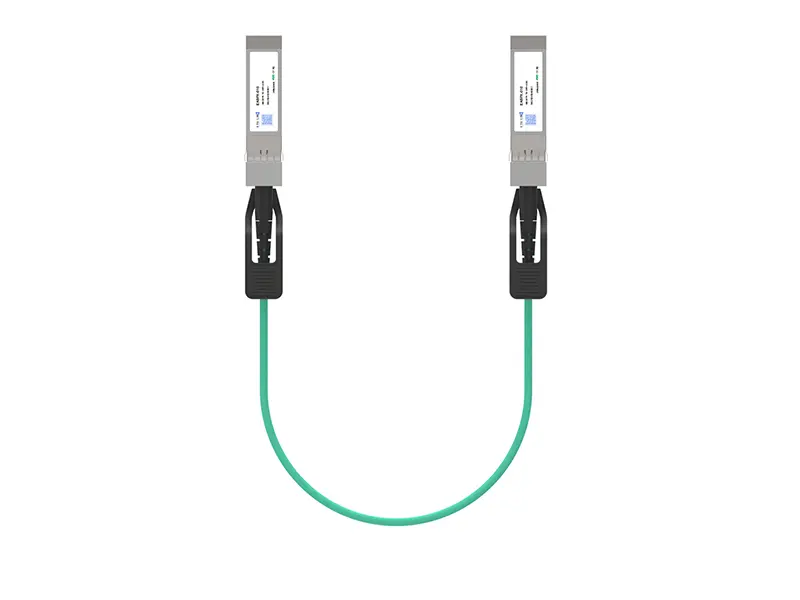 10G SFP+ AOC
 40G QSFP+ AOC
 100G QSFP28 AOC
 200G QSFP56 AOC
 400G QSFP-DD AOC
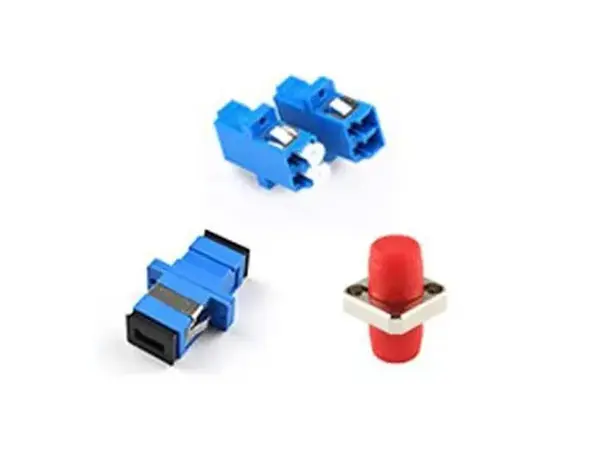 Adapter Details
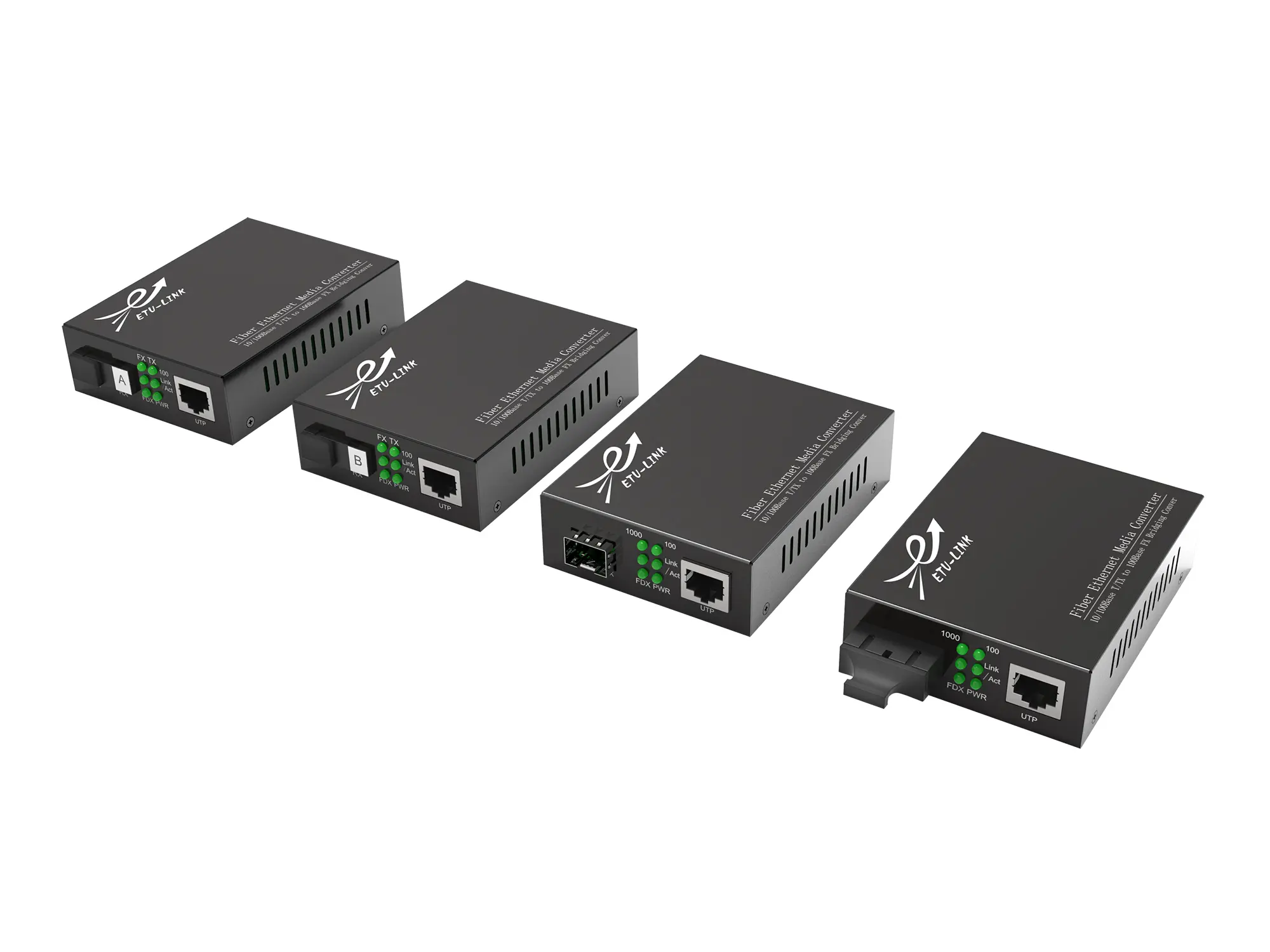 Media Converter