40G QSFP+ Active Optical Cable Best Options for Global Buyers?
The demand for high-speed data transmission is rising. Many industries are transitioning to the 40G QSFP+ Active Optical Cable for its efficiency. According to Dr. Amy Lin, a leading expert in optical technologies, "The 40G QSFP+ Active Optical Cable offers unparalleled performance for data centers." Her insight highlights its significance in optimizing network operations.
In today’s fast-paced digital world, organizations need reliable solutions. The 40G QSFP+ Active Optical Cable bridges the gap between performance and cost. Yet, with numerous options available, buyers may feel overwhelmed. Many cables claim top performance but do not deliver. This situation demands careful consideration by global buyers.
End-users should weigh their specific needs against the products available. Environmental factors can also influence cable longevity and performance. As experts like Dr. Lin suggest, not every option is ideal for every application. Ensuring proper alignment with industry standards is crucial to making the right choice in 40G QSFP+ Active Optical Cable solutions.
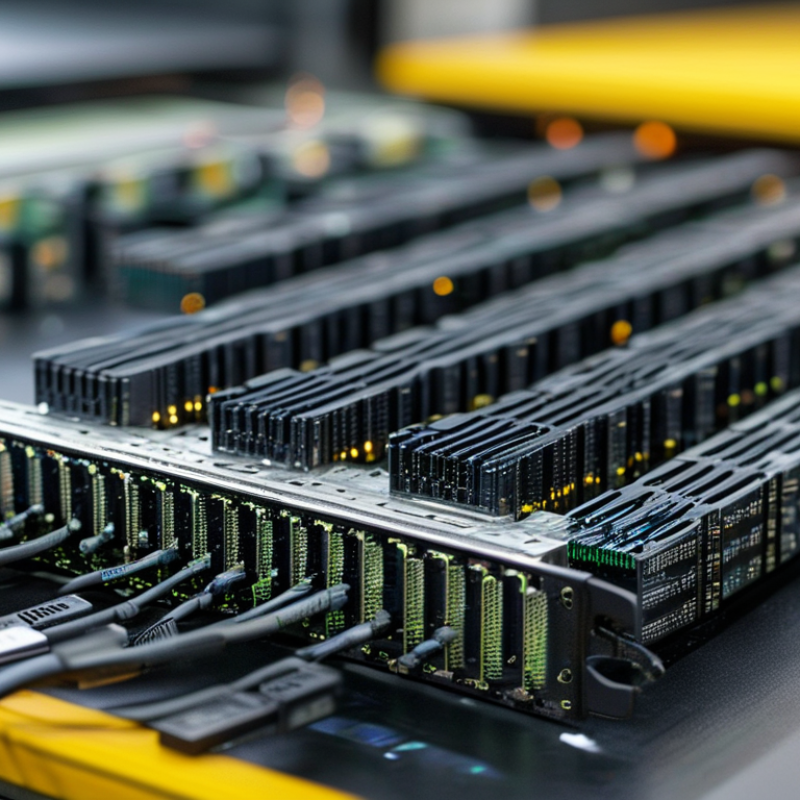
Understanding 40G QSFP+ Active Optical Cables and Their Benefits
40G QSFP+ Active Optical Cables (AOCs) are increasingly popular in high-speed data centers. These cables offer significant advantages. They support distances of up to 100 meters. This makes them ideal for connecting equipment in large racks. AOCs use optical fibers to transmit data. This process reduces signal loss and boosts bandwidth.
Understanding the benefits of AOCs is crucial. They are lightweight and flexible, which makes installation easier. Unlike traditional copper cables, they consume less power. This efficiency can lead to cost savings in energy. Moreover, AOCs are resistant to electromagnetic interference. This feature ensures a stable connection, even in crowded environments.
However, challenges exist. The initial investment can be higher. Buyers need to consider the long-term benefits against upfront costs. Compatibility with existing systems is another aspect to reflect on. Not all AOCs work with every setup. Proper research is essential to make informed decisions. Evaluating the specific needs of your network can lead to better outcomes. Choosing the right cable is crucial for optimal performance.
Key Features to Consider When Choosing an AOC
When choosing a 40G QSFP+ Active Optical Cable (AOC), several key features are paramount. First, the cable's reach is crucial. Most AOCs offer distances from 100 meters to 300 meters, depending on the application. According to industry reports, a significant 30% of network failures stem from improperly selected cable distances. This highlights the need for careful consideration during selection.
Another important aspect is power consumption. AOCs typically consume less power than copper alternatives. Studies show that using AOCs can reduce energy costs by up to 40% in data centers. This reduction is critical in today's environmentally conscious market. Selecting cables with optimized power ratings can greatly affect operational efficiency.
Data transfer rates are also central to AOC performance. Look for cables that support multi-rate applications. This flexibility ensures they remain relevant as network demands evolve. However, potential compatibility issues could arise, making it essential to verify against existing equipment. While the benefits of AOCs are significant, buyers must weigh these features against their specific operational needs to make informed choices.
Top Brands and Manufacturers of 40G QSFP+ AOCs Worldwide
In the fast-evolving data center landscape, the demand for 40G QSFP+ Active Optical Cables (AOCs) is significant. These cables deliver high-speed data transmission over longer distances compared to traditional copper cables. Recent reports suggest that by 2025, the market for AOCs will grow at a CAGR of 16%, indicating robust growth potential. This is attributed to the increasing bandwidth demands driven by cloud computing and big data analytics.
Key players in the AOC market focus on innovation and performance. They often invest heavily in research and development to enhance their products. Reports highlight that advanced materials and manufacturing processes improve signal integrity and reduce latency. Many manufacturers are also addressing sustainability concerns, offering eco-friendly options.
However, the market still faces challenges. Compatibility issues can arise with various networking equipment. Additionally, a lack of standardization can lead to confusion for buyers. As users seek reliable solutions, thoroughly researching available options becomes crucial. Making informed decisions will help customers choose the right AOCs that meet their specific needs, ensuring efficient data transmission in their networks.
Pricing Trends and Cost-Effectiveness of 40G QSFP+ AOCs
The demand for 40G QSFP+ Active Optical Cables (AOCs) has been growing globally, driven by the increasing need for high-speed data transfer in data centers. Current market reports indicate that the pricing trend for these cables has become more competitive over the past year. For instance, average costs have decreased by about 15%, making them more accessible to network operators. This decline can be attributed to advancements in manufacturing technologies and heightened competition among suppliers.
However, potential buyers should approach the market with caution. While lower prices can indicate affordability, they may also reflect trade-offs in quality. Ensuring the reliability of AOCs is crucial, as poor performance can lead to increased latency and reduced network efficiency. Buyers should seek cables that provide detailed specifications and testing results, which can help make informed choices.
Tips: Look for third-party reviews and user feedback when evaluating options. Investigate warranty offerings, as they often indicate the manufacturer’s confidence in their product. Ensure that the cables meet industry compliance standards for optimal performance and safety.
Navigating this evolving market requires a fine balance between cost and quality. Some cables may offer lower upfront costs but lead to higher maintenance expenses long-term. It's vital to weigh these factors carefully before making a purchase.
Pricing Trends of 40G QSFP+ Active Optical Cables
This chart illustrates the pricing trends of 40G QSFP+ Active Optical Cables over the last six quarters. The data shows a consistent downward trend in average prices, indicating a growing cost-effectiveness for global buyers.
Application Areas and Use Cases for 40G QSFP+ Active Optical Cables
40G QSFP+ Active Optical Cables are gaining traction in various sectors. They are particularly valuable in data centers, high-performance computing, and enterprise networks. By facilitating high-speed data transfers, they enhance overall network efficiency. These cables can support distances up to 100 meters, making them ideal for short-range applications. Their lightweight nature also simplifies installation, which is a significant advantage.
In addition to standard data center applications, they are well-suited for medical imaging systems. High bandwidth and low latency are essential in these fields. The ability to transmit large files quickly is crucial for timely medical evaluations. These cables can also support video conferencing and streaming applications, where quality is paramount.
Tips: When selecting a 40G QSFP+ Active Optical Cable, consider your specific bandwidth needs. Look for cables that have proven reliability in your intended application. Test the cables in your environment before widespread deployment. Users have sometimes faced issues with cable compatibility or distance limitations. Each setup is unique, so flexibility and thorough testing are key.

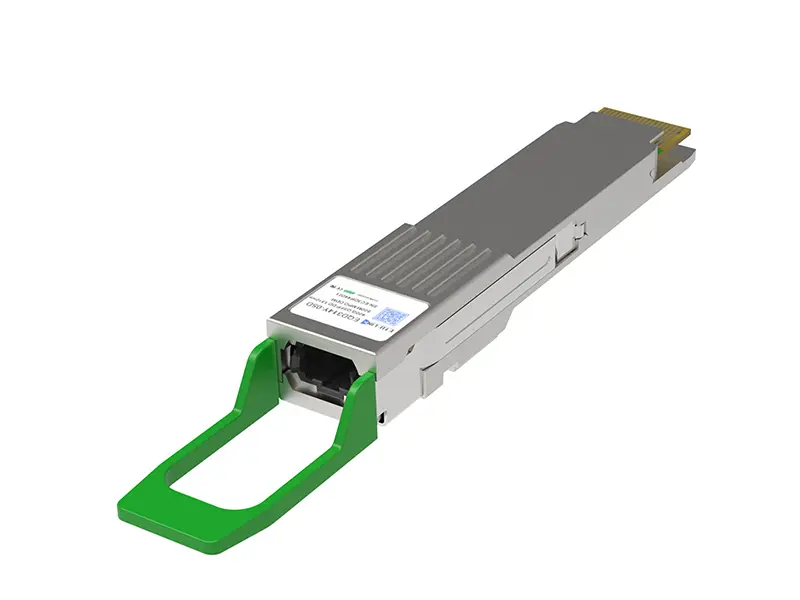 400G
400G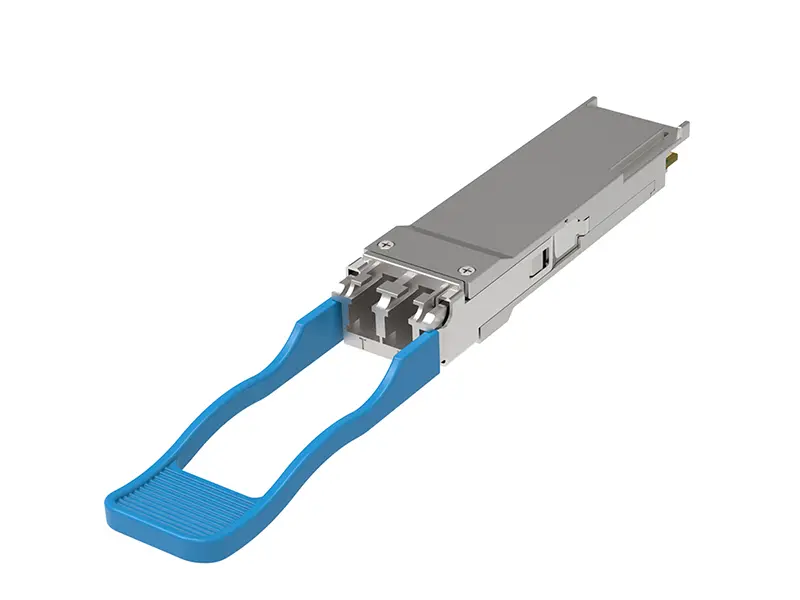 200G
200G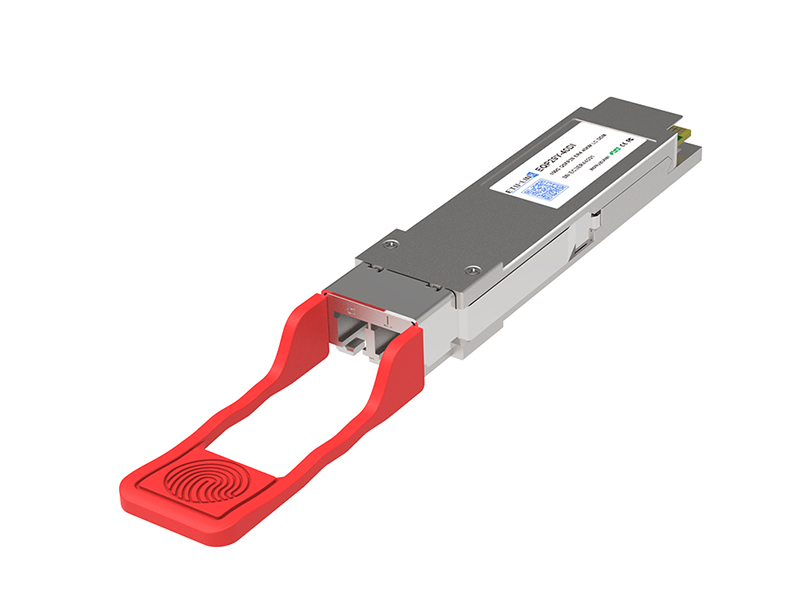 100G
100G 40G
40G 25G
25G 10G
10G 1G
1G COPPER-T
 Other
Other 10G SFP+ DAC
 40G QSFP+ DAC
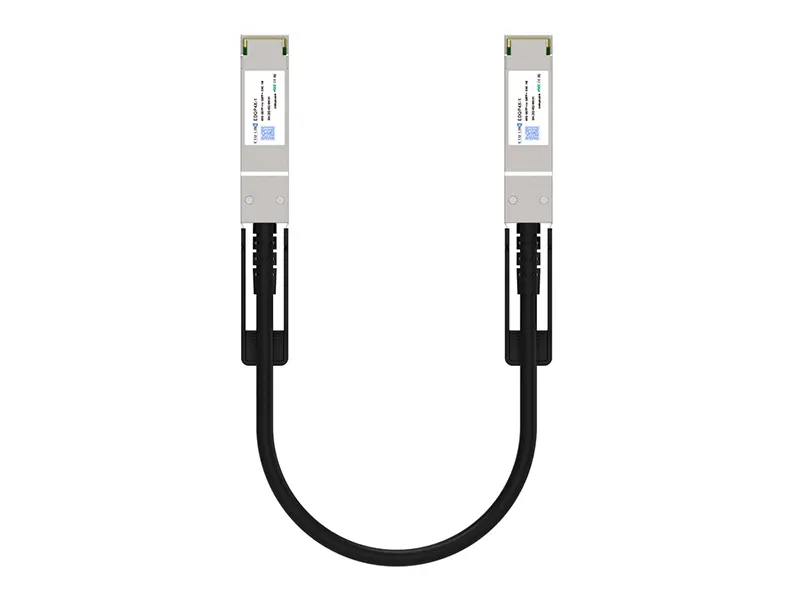 56G QSFP+ DAC
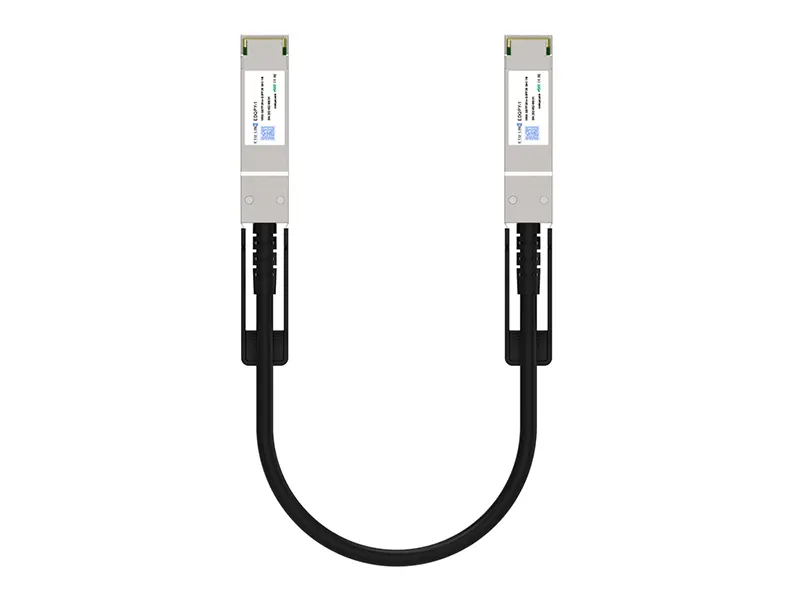 100G QSFP28 DAC
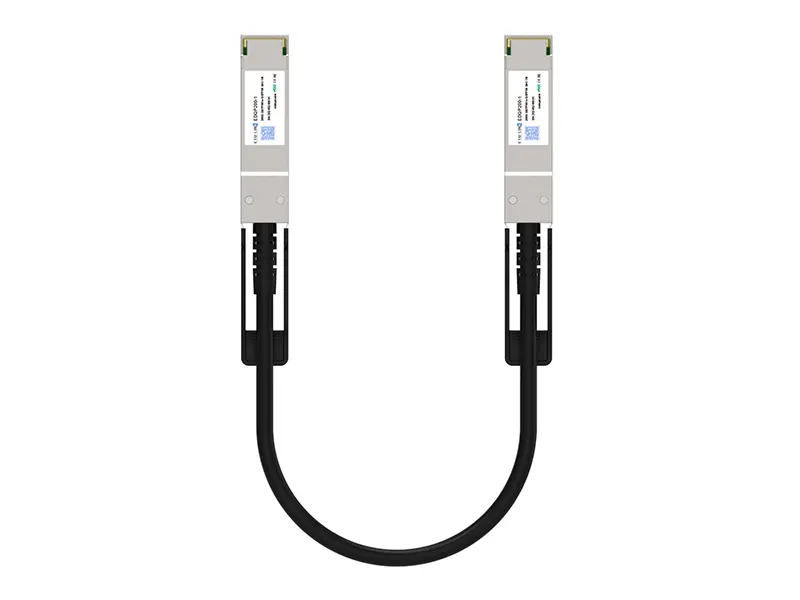 200G QSFP56 DD DAC
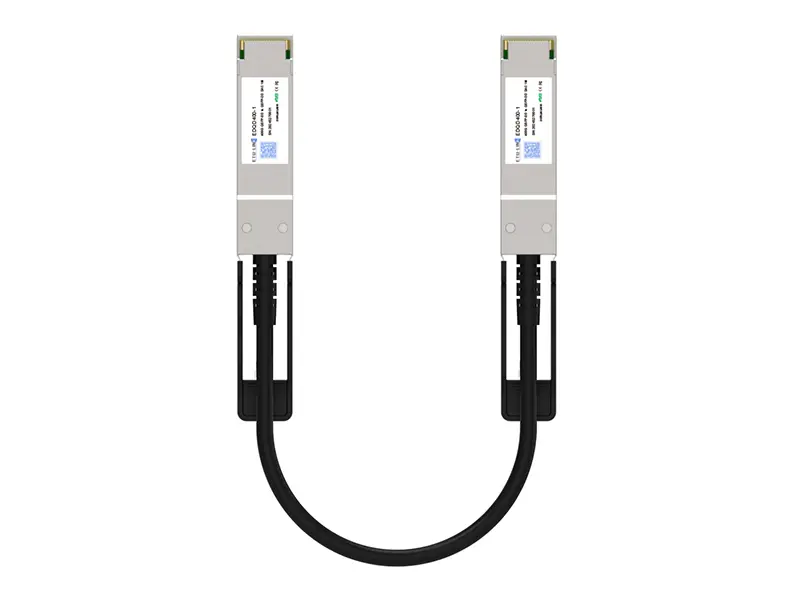 400G QSFP DD DAC
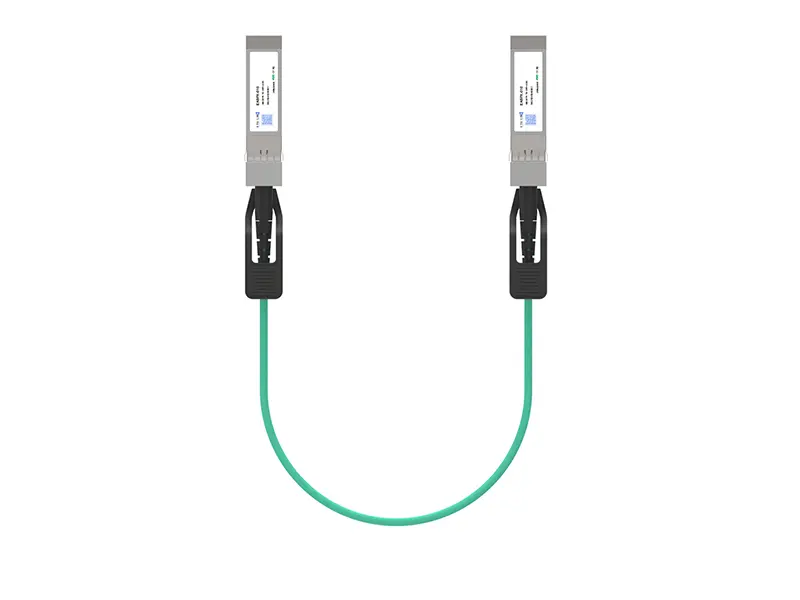 10G SFP+ AOC
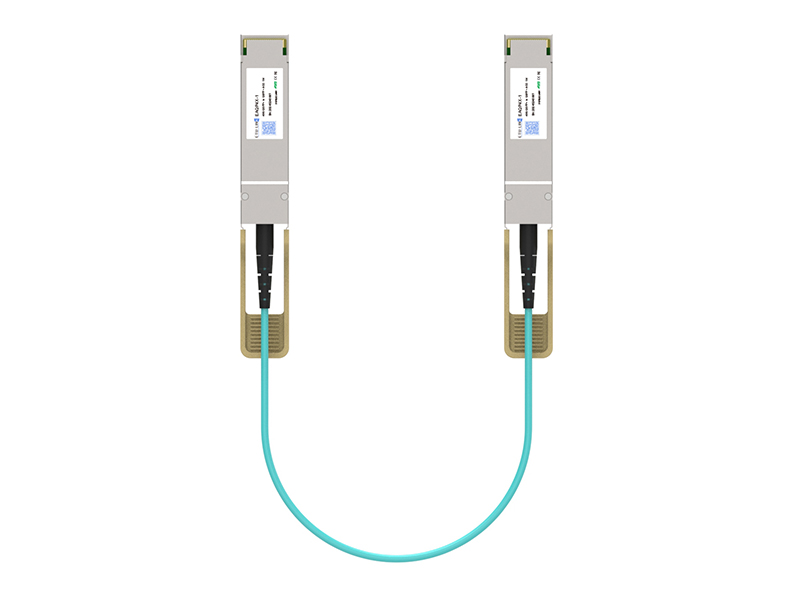 40G QSFP+ AOC
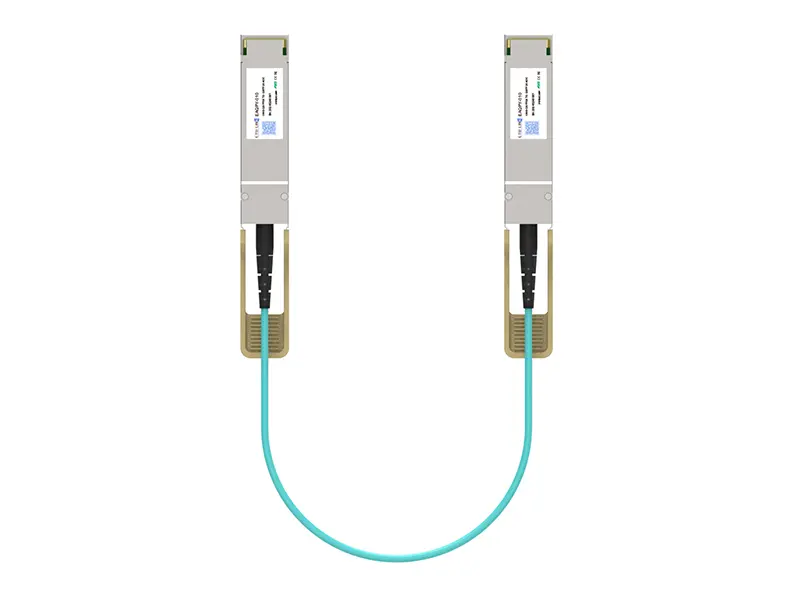 100G QSFP28 AOC
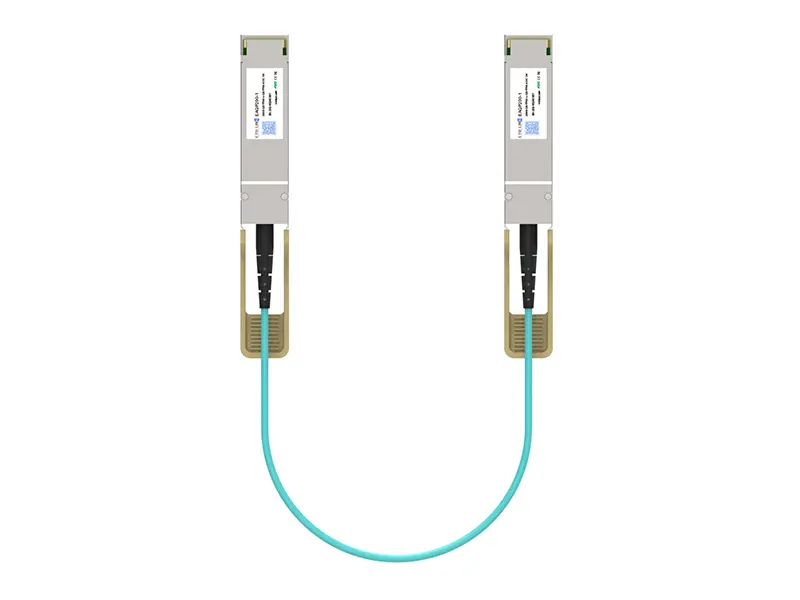 200G QSFP56 AOC
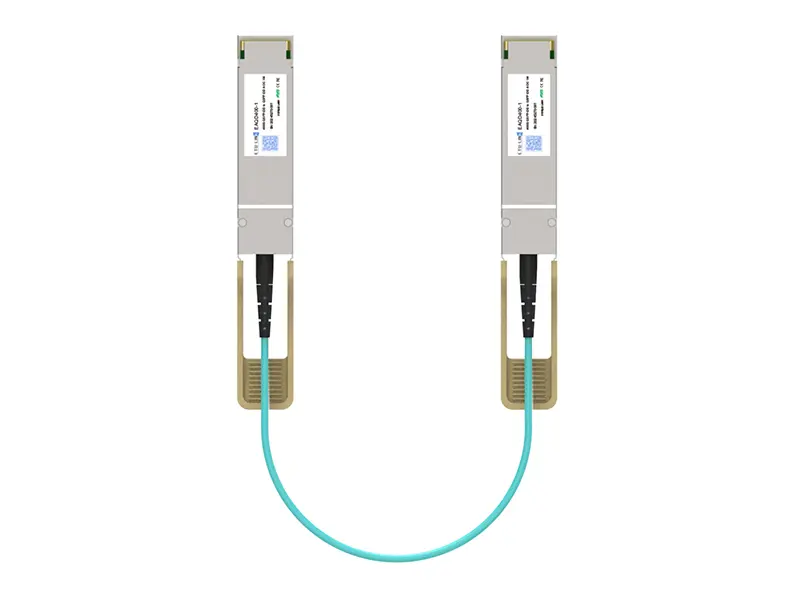 400G QSFP-DD AOC
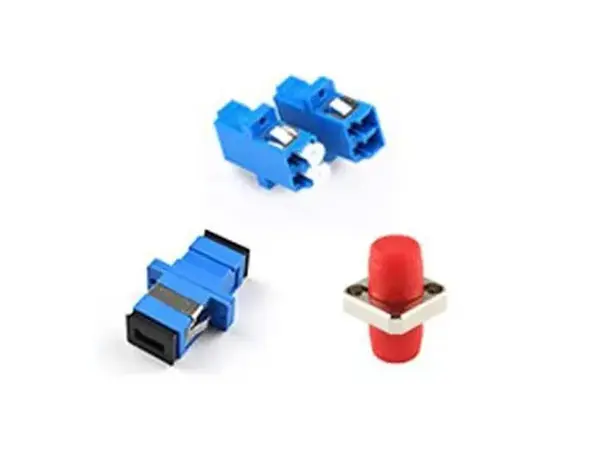 Adapter Details
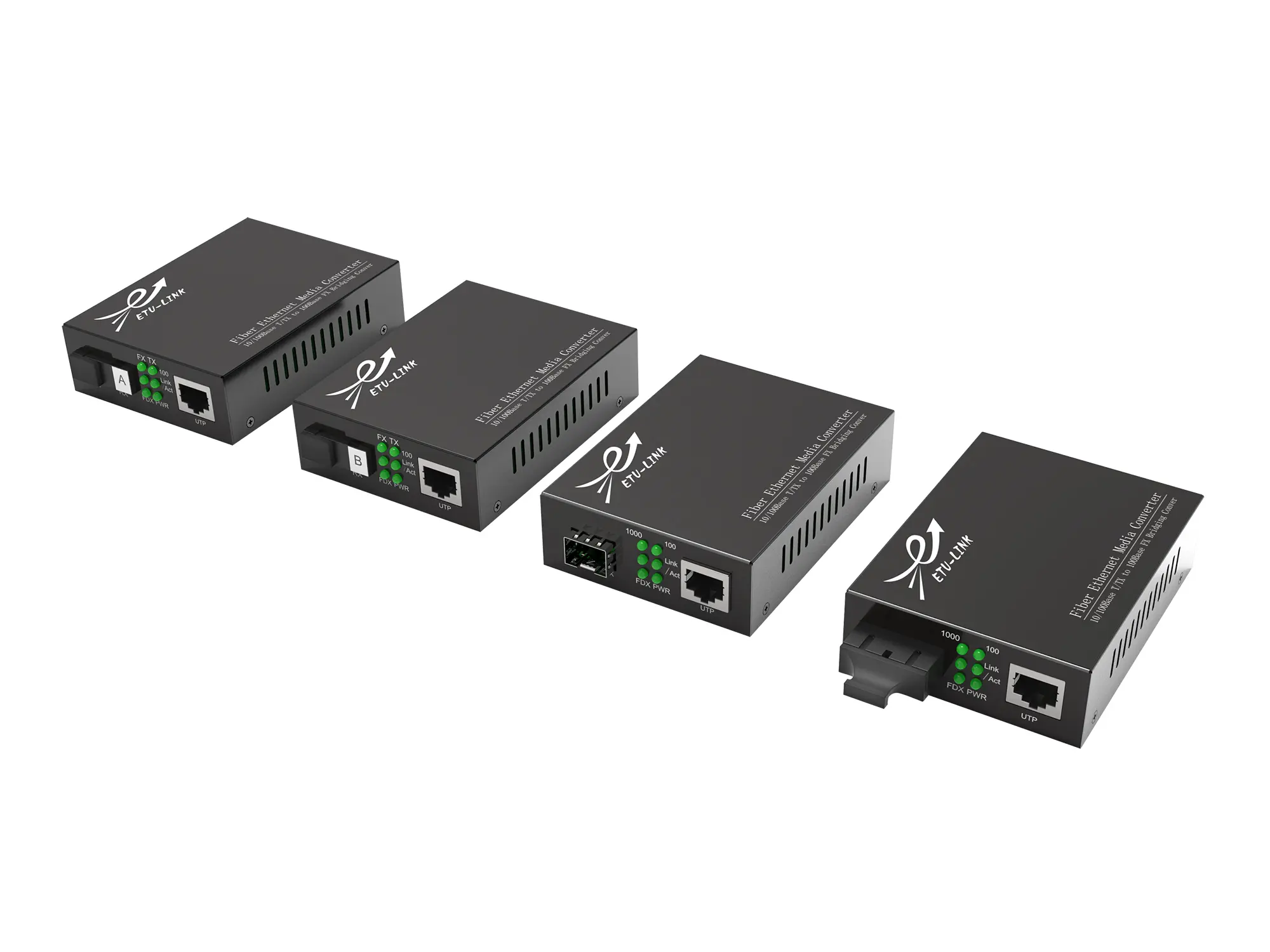 Media Converter