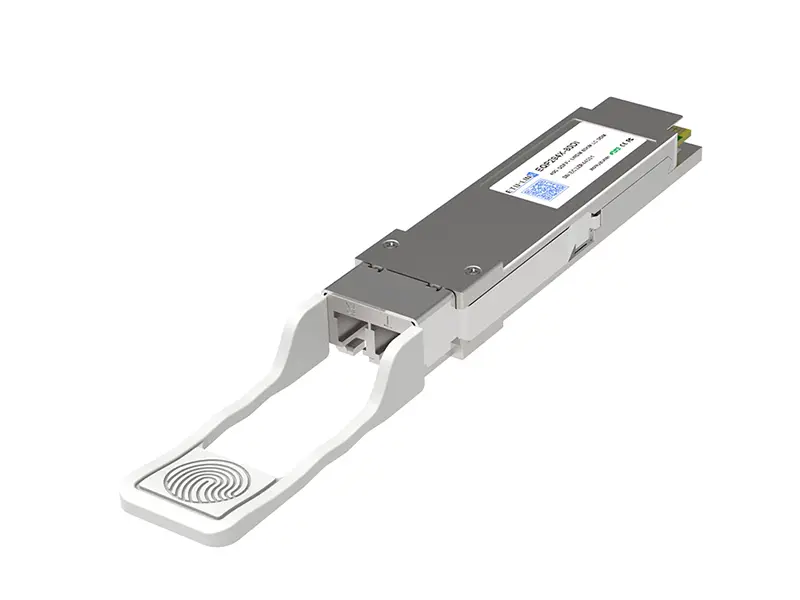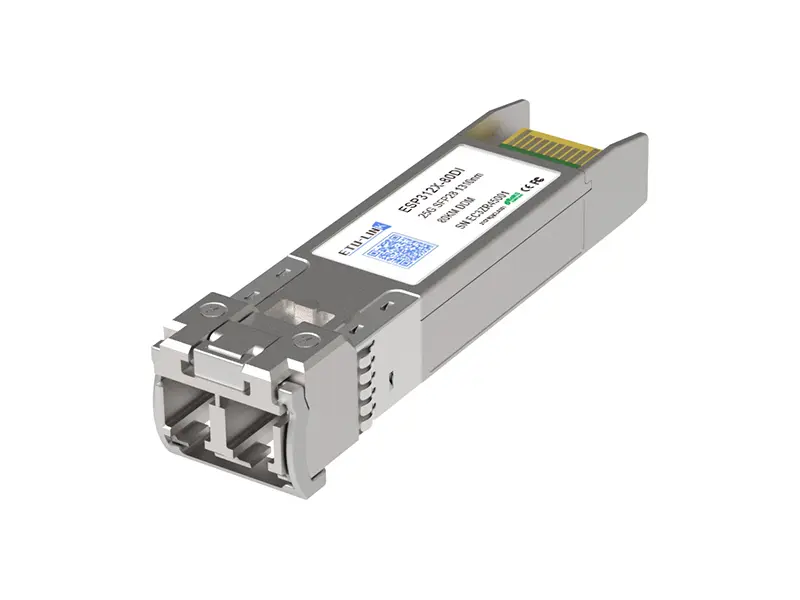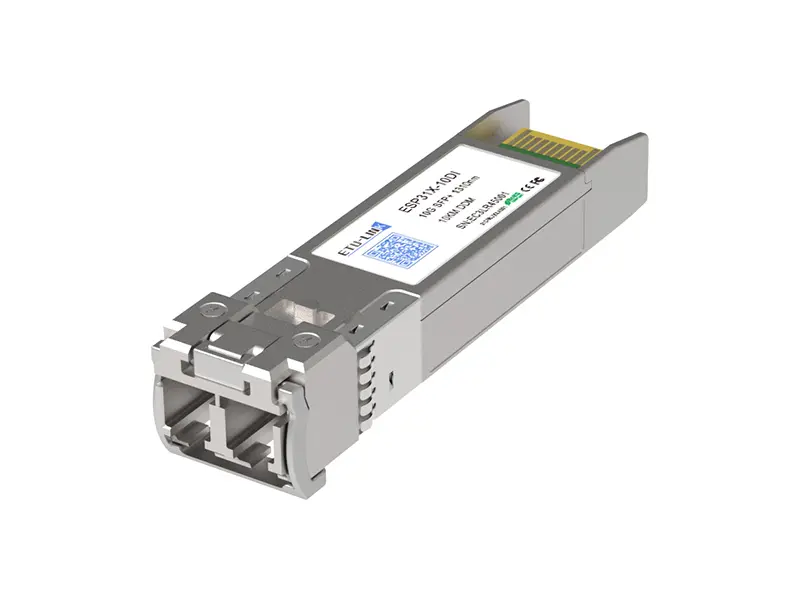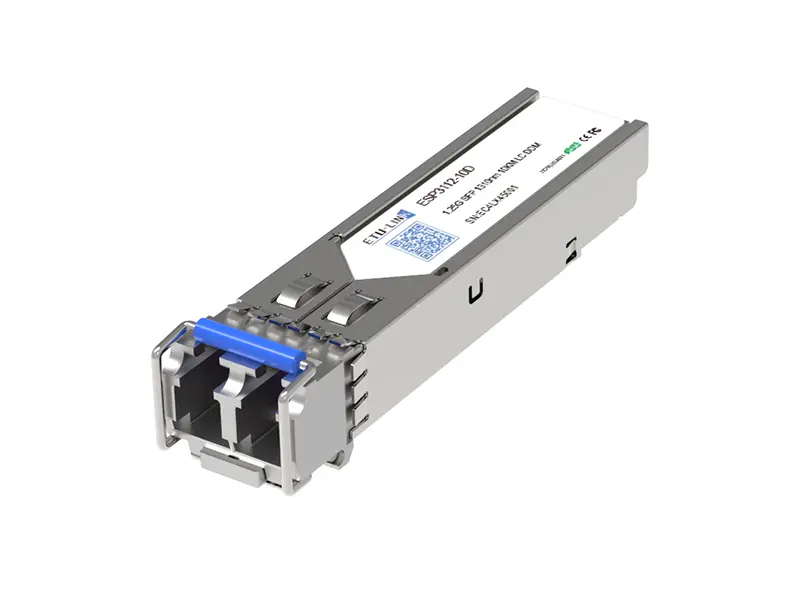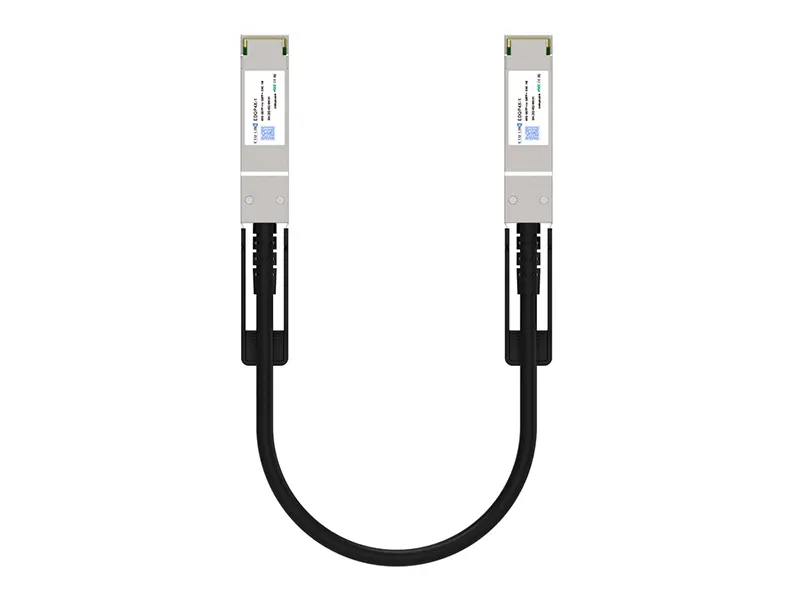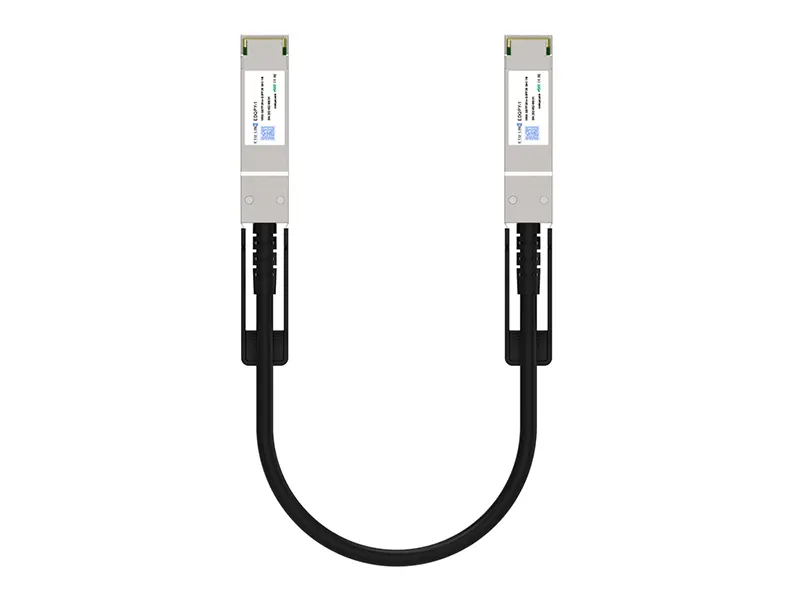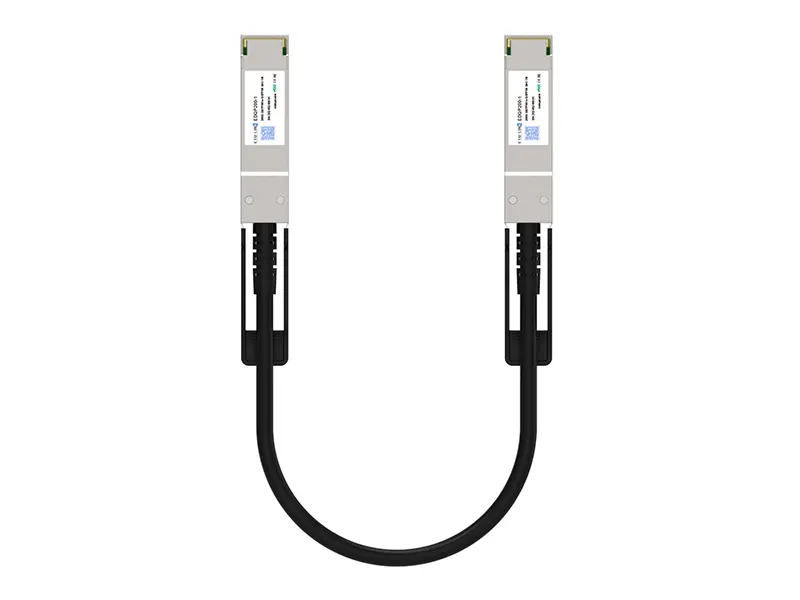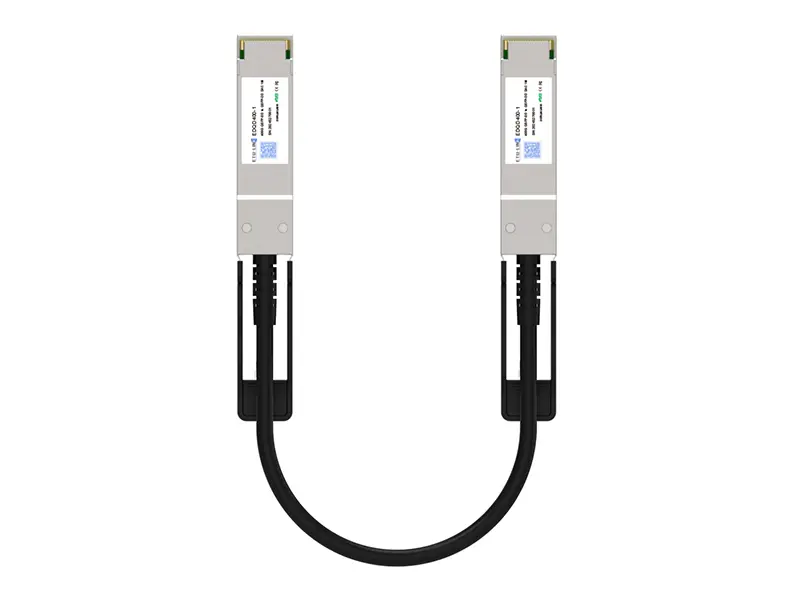
Choosing a 25G SFP28 Active Optical Cable in 2026 requires more than comparing prices. The correct choice depends on distance, switch compatibility, airflow, power limits, and installation conditions. A cable running 10 meters across a server rack faces different demands from one crossing a 30-meter row. Check the cable’s supported 25GbE standard, connector type, optical wavelength, and operating temperature. Also verify whether your switches accept third-party coded modules.
Optical communications analyst Vladimir Kozlov offers a useful principle: “The best optical link is not the fastest on paper; it is the one that remains stable inside the real network.” That idea matters during deployment. A reliable 25G SFP28 Active Optical Cable should show consistent monitoring data, low power consumption, and clear vendor documentation. Inspect the EEPROM coding before installation. Confirm the transceiver temperature near fully loaded switch ports. Small details can become expensive faults.
Experience also exposes an uncomfortable point. Many buyers focus on bandwidth and forget cable routing. Tight bends, hot exhaust air, or poorly supported connectors may reduce reliability. I have seen specifications look impressive while installation guidance remained vague. That should invite caution, not confidence. A practical evaluation should include reach testing, port interoperability, latency checks, and several hours of traffic under load. Keep the test notes. Compare results with the vendor’s claims. If the supplier cannot explain compatibility, warranty coverage, or replacement procedures clearly, the cable may not deserve a place in a production rack.

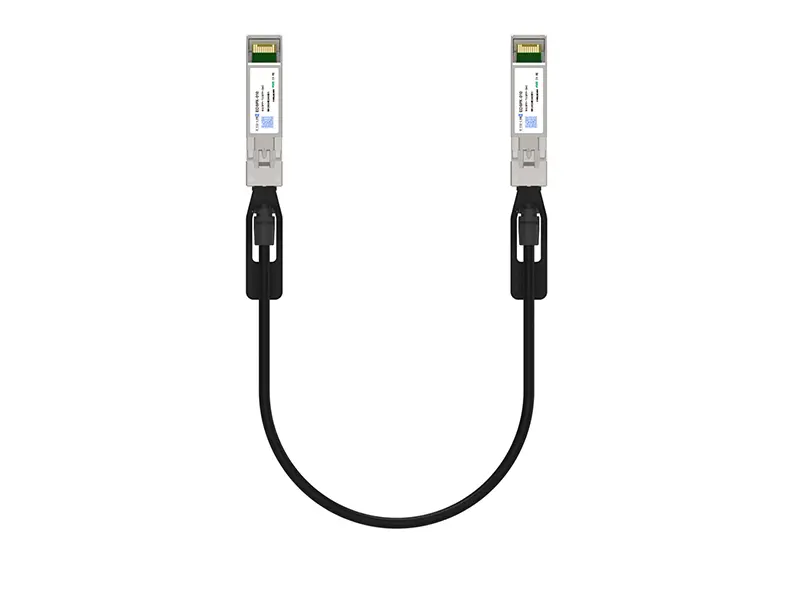
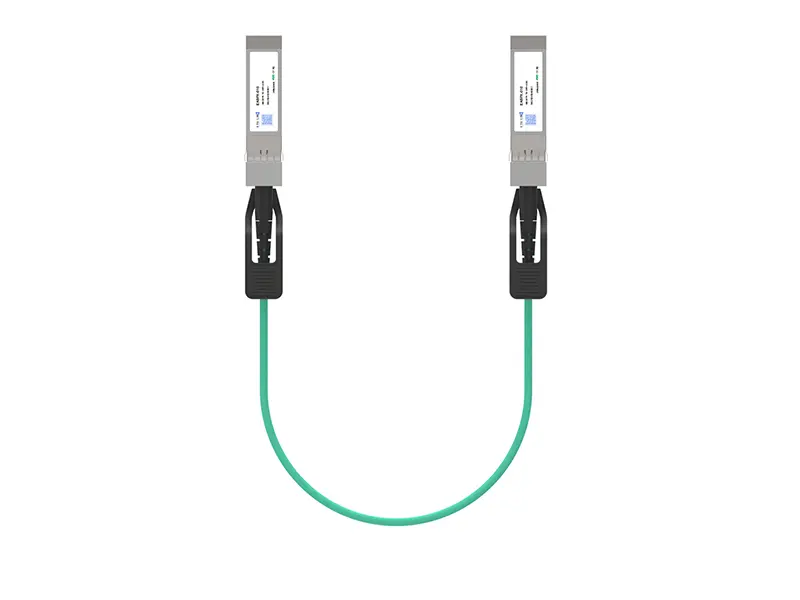
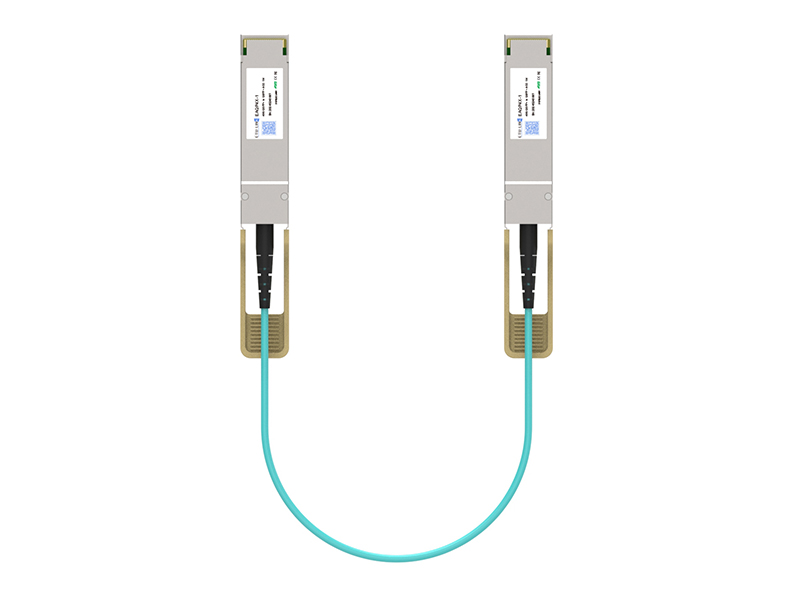
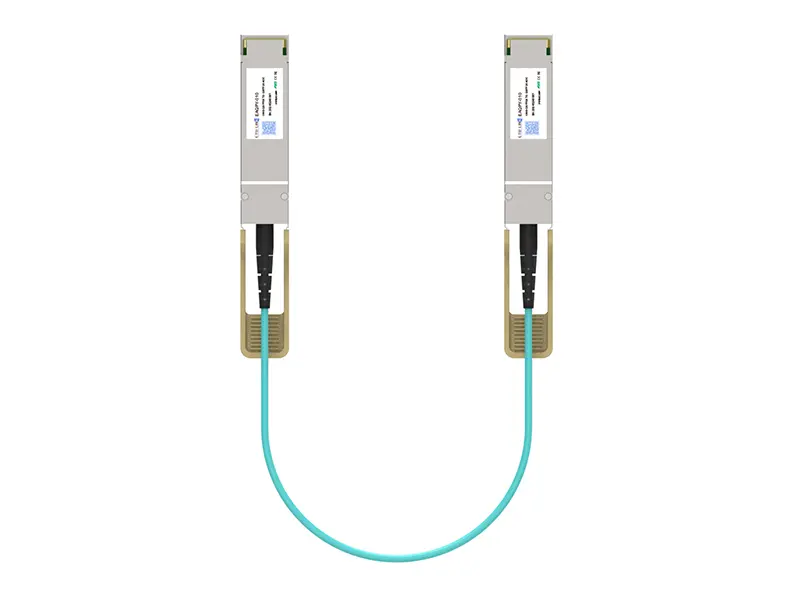
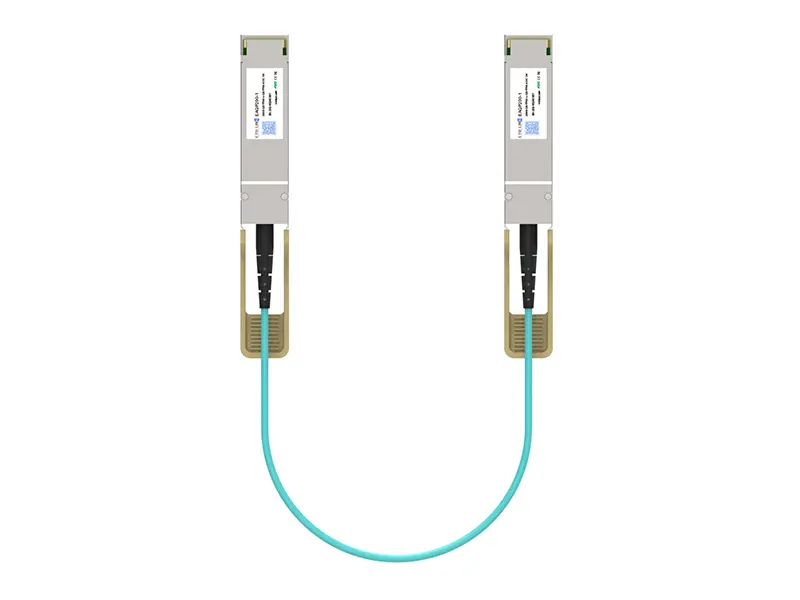
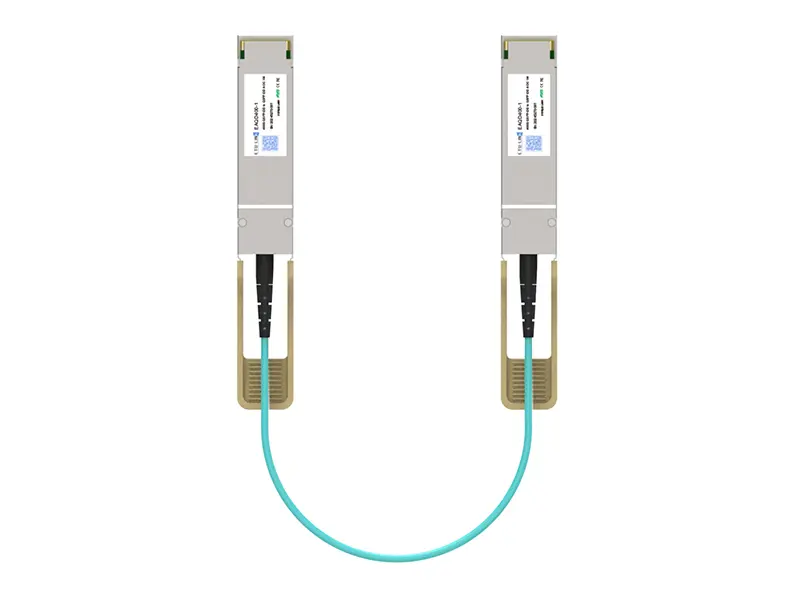
A 25G SFP28 Active Optical Cable is a factory-assembled cable with SFP28 optical ends. Each end contains an optical transmitter, receiver, and signal-processing electronics. Unlike a passive copper cable, it converts electrical data into light inside the connector. The light then travels through a thin fiber core between servers, switches, or storage systems.
This design supports 25Gbps Ethernet while reducing cable weight and electromagnetic interference. Many AOCs use multimode fiber for short data-center links, commonly from several meters to around 100 meters. Actual reach depends on the cable construction, transceiver design, and network standards. Installation is simple because the optical modules are already attached. However, the cable is not usually repairable or individually replaceable at each end. That limitation is easy to overlook.
Tips: Check SFP28 port compatibility, supported Ethernet standards, cable length, bend radius, and operating temperature. Confirm whether your equipment accepts third-party optical assemblies. Read the switch’s compatibility guide carefully. Measure the route before ordering. A cable that is too short creates stress, while excessive length can complicate airflow. Also check power consumption and diagnostic support. In real installations, labels matter more than expected. I have seen troubleshooting slow down because identical cables were not marked by destination. AOC selection is not only about speed; it also involves physical layout, maintenance habits, and future expansion.
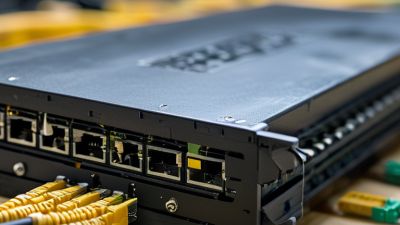
A 25G SFP28 active optical cable commonly supports 25 Gigabit Ethernet links. It is widely used between servers and top-of-rack switches. Many deployments follow IEEE 802.3by requirements for 25GBASE-SR equipment. However, cable support is not guaranteed by the connector alone. Check the switch port, transceiver coding, and network operating system before installation. Some cables also support 10GbE, but this depends on the host and cable design. Do not assume automatic backward compatibility.
These cables suit data center leaf-spine connections, storage networks, and short links inside high-density racks. They reduce copper weight and keep airflow paths clearer. A 3-meter cable may connect a server row without adding a separate optical module. For longer routes, confirm the rated distance and bend radius. Tight bends can damage performance. Standards such as SFF-8431 and SFF-8472 may describe the electrical interface or management behavior, but implementation details still vary. That gap deserves attention.
Tips: Match both ends to the same speed profile. Confirm 25GBASE-SR support. Check diagnostic monitoring before purchase. Test one cable under real traffic first. A simple compatibility table can prevent an expensive replacement. In practice, labeling mistakes remain common. My own selection process would include temperature checks, port alarms, and a short packet-loss test. A cable can pass a basic link test yet behave poorly under sustained load.
How to Choose a 25G SFP28 Active Optical Cable in 2026?
A 25G SFP28 AOC should match the real distance, not the rack plan on paper. IEEE 802.3by specifies 25GBASE-SR operation over multimode fiber, reaching 70 meters on OM3 and 100 meters on OM4. For a 30-meter row, a 40-meter cable may fit today, but it leaves little room for rerouting. Excess slack can also block airflow. Measure the installed path, including vertical bends and service loops. That practical detail is often missed.
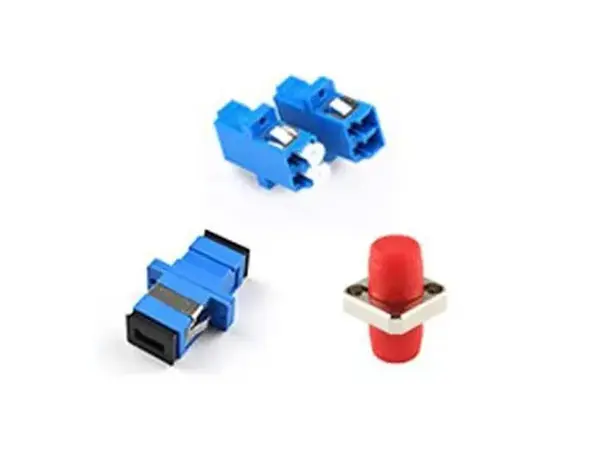
Connector choice is equally important. A standard SFP28-to-SFP28 AOC suits two 25G switch ports or a switch-to-server link. A breakout cable uses one higher-density port and four SFP28 ends, but the host must support lane breakout. The port should also support 25GbE signaling, SFP28 modules, and the required cable identification. Some ports accept 10GbE devices, yet compatibility is not guaranteed. Check the equipment guide and firmware notes before ordering. The Ethernet Alliance’s 2024 Ethernet Roadmap continues to list 25GbE as a key server and access speed, so mixed-generation ports remain common.
Tips: Choose a cable rated slightly beyond the measured route, not excessively longer. Confirm OM3 or OM4 requirements, connector polarity, and EEPROM recognition. Test one sample under live traffic first. I once treated “SFP28 compatible” as universal; it was not. That assumption deserves more skepticism. Keep bend radius above the cable maker’s limit, especially near a crowded top-of-rack cabinet.
Match cable length, connector type, and port compatibility before deployment.
The chart shows the theoretical fiber propagation delay for common 25G SFP28 AOC lengths, calculated at approximately 5 ns per meter in one direction. Actual end-to-end latency is higher because it also includes transceiver and switch processing time. Use a full SFP28-to-SFP28 AOC when both devices provide compatible SFP28 25GbE ports; verify port speed support, breakout configuration, and the cable's stated operating distance before installation.
Choosing a 25G SFP28 Active Optical Cable in 2026 requires more than checking the advertised speed. Optical performance should be verified under real installation conditions. Measure insertion loss, return loss, and bit error rate across the cable’s rated temperature range. A stable link should maintain clean traffic without repeated corrections or rising error counters. Check the transceiver’s compatibility with your switch, connector type, and supported data rate. Small details matter.
Reliability depends on construction and testing discipline. Look for factory test records, serial-level traceability, and clear operating limits. The cable should have firm latch mechanisms, protected fiber transitions, and a bend radius suited to crowded racks. Pulling the cable by its optical heads is a common mistake. Avoid it. During evaluation, run extended traffic tests while monitoring temperature and link events. A short laboratory test can miss intermittent faults caused by vibration, heat, or repeated movement.
Power consumption also deserves careful measurement. Compare draw at startup, full traffic, and idle states. Lower power usually reduces rack heat, but efficiency should not weaken signal stability. Confirm whether power values change with cable length or host equipment. One reading is not enough. I would record results from several cables, because production variation can be noticeable. A perfect datasheet cannot replace testing in your own rack, especially when airflow is restricted and cable bundles are tightly packed.
Choosing a 25G SFP28 Active Optical Cable in 2026 requires more than checking a low unit price. Compare vendors through documented test evidence, not sales claims. Confirm IEEE 802.3by compatibility, SFF-8636 diagnostics, connector polarity, bend radius, and host interoperability. Ask for factory test records, optical-loss limits, and batch traceability. RoHS, REACH, CE, or UKCA evidence may matter, depending on your deployment market. These are compliance documents, not automatic proof of network performance.
Warranty terms can change total cost significantly. Check coverage length, replacement speed, advance replacement, and support after firmware or switch changes. Uptime Institute’s 2024 outage analysis reported that 54% of data-center outages caused more than 100,000 dollars in direct losses. A cheaper cable can become expensive after one avoidable failure. Calculate total cost using cable price, spares, labor, energy, shipping, and downtime exposure. Optical cables usually consume less power than equivalent active copper assemblies, but actual savings depend on length and installation density. That detail is easy to overlook.
Tips: Request three samples from different lots. Test them under normal and high-temperature conditions. Record link errors for at least 24 hours. Ask whether the warranty covers compatibility disputes. I would also challenge unclear claims. “Universal” rarely means universal. Compare five-year cost, not only today’s quotation. A simple spreadsheet can expose the cheaper option that is not cheaper.