How to Choose the Right 400G OSFP AOC for Your Network Needs?
Choosing the right 400G OSFP AOC for your network needs can feel overwhelming. The rapid advancements in technologies have made it crucial to select compatible and efficient solutions. Understanding the specific requirements of your network is paramount.
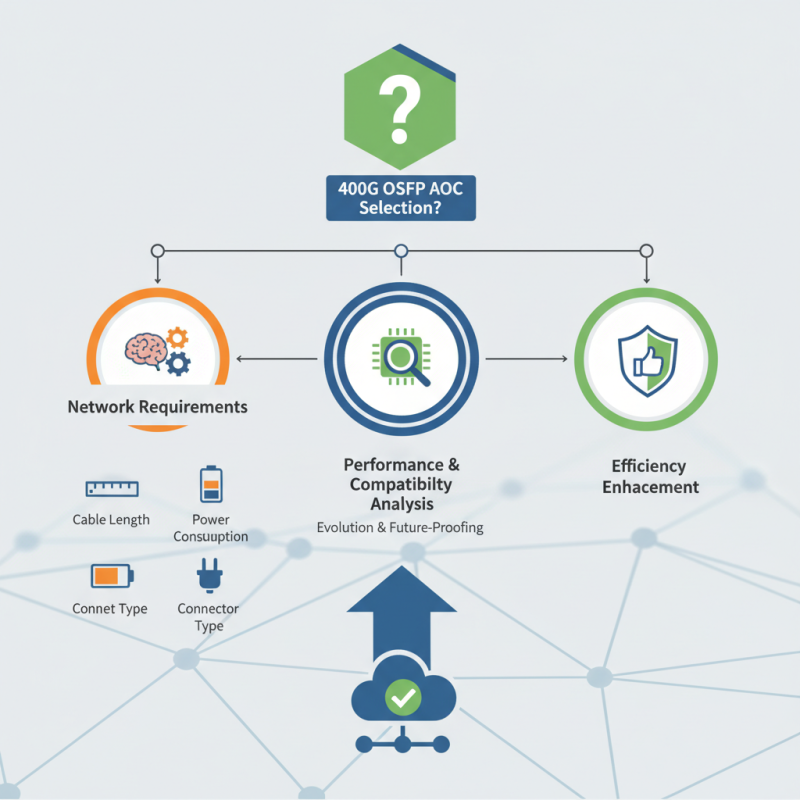
400G OSFP AOC cables provide high-speed data transmission over short distances. They are lightweight, flexible, and easy to deploy. However, not all AOC cables are created equal. Factors like cable length, power consumption, and connector types must be carefully considered.
It's essential to align your choice with your network's demands. Relying solely on brand reputation can lead to mistakes. A detailed analysis of performance and compatibility is necessary. As networks evolve, mistakes in cable selection can be costly. Reflecting on previous choices can guide future decisions. The right choice in 400G OSFP AOC can significantly enhance your network's efficiency.
Understanding the 400G OSFP AOC and Its Applications in Networking
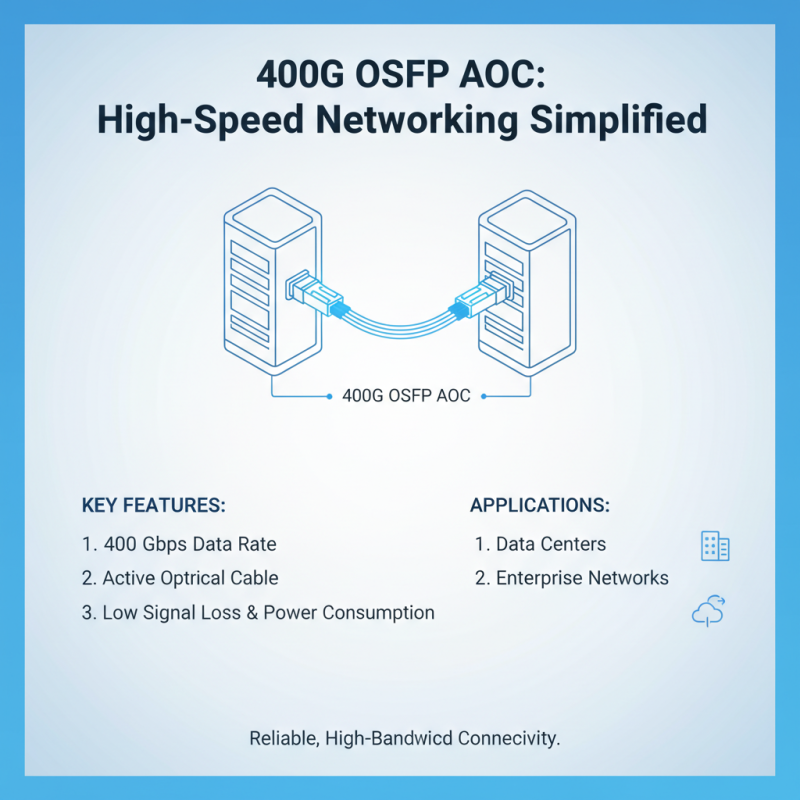
The 400G OSFP AOC, or Active Optical Cable, is essential in high-speed networking. This technology provides a reliable solution for data centers and enterprise networks demanding high bandwidth. The 400G OSFP AOC supports data rates of 400 Gbps, simplifying the connection of networking equipment while reducing signal loss and power consumption.
Understanding the applications of 400G OSFP AOC is crucial for network planning. These cables are ideal for connecting switches, routers, and servers within short distances. They are lightweight and flexible, making them easier to install than traditional copper cables. However, their sensitivity to extreme temperatures and physical stress must not be overlooked. Keeping these limitations in mind can help optimize network performance.
When selecting a 400G OSFP AOC, consider the environment and specific network architecture. Each deployment may have unique challenges that the right cable can address. It's essential to consult with experts or conduct thorough research to find options that fit your needs best. This can prevent costly setbacks down the line.
Key Factors to Consider When Selecting a 400G OSFP AOC
Choosing the right 400G OSFP AOC can significantly impact your network’s performance. When making your selection, consider the cabling length. Many reports indicate that 400G Active Optical Cables (AOCs) are optimal for distances up to 100 meters. Beyond that, signal loss may become an issue. You need to balance distance with speed to ensure reliable data transmission.
Power consumption is another key factor to evaluate. According to industry studies, efficient AOCs can reduce energy costs by up to 30%. This not only helps in managing operational expenses but also supports sustainability initiatives. If your organization aims for energy efficiency, this is a crucial aspect.
It’s essential to pay attention to compatibility with existing equipment. Some AOCs may not work seamlessly with various transceivers or switches. Reports show that compatibility issues can lead to significant downtime. Make sure to check the specifications of both the AOC and your hardware. Remember, the right choice requires thorough research and consideration of these nuances.
How to Choose the Right 400G OSFP AOC for Your Network Needs?
| Feature |
Description |
Importance |
| Length |
AOC lengths can vary typically from 1m to 100m. |
Determine based on the distance between devices in your network. |
| Power Consumption |
Lower power devices reduce operational costs. |
Crucial for long-term cost efficiency. |
| Data Rate |
Ensure compatibility with 400G speeds. |
Essential for achieving optimal network performance. |
| Connector Type |
Common types include LC connectors. |
Must match the existing network hardware. |
| Environmental Resistance |
Check for durability against temperature and humidity. |
Important for harsh environments. |
| Testing Standards |
Comply with industry standards like IEEE 802.3bs. |
Ensure reliability and quality of the product. |
Comparing Different Brands and Models of 400G OSFP AOCs
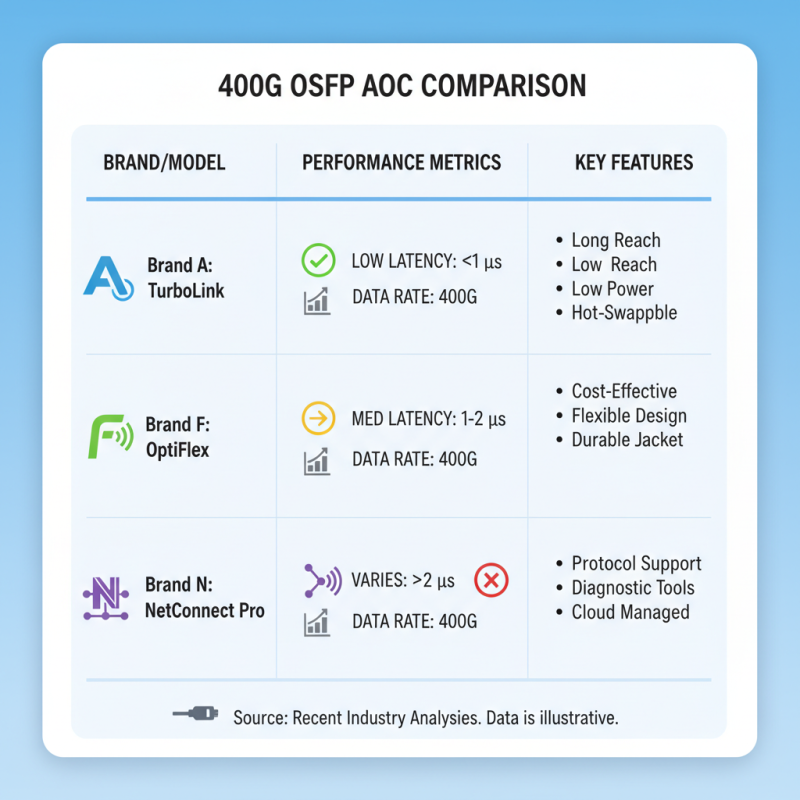
When selecting a 400G OSFP AOC (Active Optical Cable), it’s crucial to compare various brands and models. The market landscape is diverse, with several manufacturers presenting unique specifications. According to recent industry analyses, performance metrics vary widely. Some cables display latency under 1 microsecond, while others may exceed this threshold.
Looking at power consumption is essential. Certain models consume less than 3 watts, which can lower operational costs. Meanwhile, some high-performance options use more energy, impacting long-term efficiency. A careful assessment of these figures can affect budgeting over the lifecycle of the network.
Moreover, testing methodologies differ across vendors. Independent reports oftentimes highlight reliability issues linked to temperature fluctuations. This factor can lead to unexpected failures or reduced performance in field conditions. Hence, examining the reported durability in real-world scenarios may reveal valuable insights. Understanding these discrepancies can be key in making an informed decision for optimal network performance.
Evaluating Network Environment Compatibility for 400G OSFP AOCs
When choosing a 400G OSFP Active Optical Cable (AOC), compatibility with your network environment is essential. The rise of data-intensive applications means more bandwidth is necessary. A 2022 report from the International Data Corporation (IDC) suggests that 75% of enterprises will need 400G connectivity by 2025. Ensuring your network infrastructure can support these speeds is critical.
Atmospheric conditions can significantly impact AOC performance. For instance, high temperatures may reduce signal integrity. A comprehensive temperature range should be verified. The OSFP AOC must operate reliably within this range. Some networks may also face challenges from electromagnetic interference (EMI). Evaluating the existing cabling, layout, and overall environment can help in choosing the right AOC.
**Tip:** Check your optical performance metrics. Ensure they align with the specifications outlined in professional reports like those from Ethernet Alliance.
Another point to consider is the length of the cable. AOCs vary in reach, impacting signal quality and network efficiency. Assess the distance between devices to select the appropriate length. Inadequate lengths can lead to data loss or malfunction.
**Tip:** Regularly analyze traffic patterns to decide if your network might eventually require upgraded AOC lengths. Reviewing these aspects will ensure a smoother transition to 400G connectivity.
Evaluating 400G OSFP AOC Performance Metrics
This chart illustrates the performance metrics of different 400G OSFP AOCs based on key parameters such as Latency (ms), Power Consumption (W), and Cost ($). The data helps to assess compatibility with various network environments.
Tips for Long-Term Performance and Maintenance of 400G OSFP AOCs
When selecting a 400G OSFP AOC, long-term performance hinges on maintenance strategies. Regular inspections can catch potential issues early. Look for signs of wear, such as frayed cables or loose connections. These small details can prevent larger problems down the line.
Environmental factors also play a pivotal role. Ensure that your network operates in conditions that avoid extreme temperatures and humidity. These factors can deteriorate the integrity of your AOC. Consider installing your cables in protective conduits or racks that shield them from harsh conditions.
Documentation of maintenance activities is vital. Keep track of any replacements or repairs. This practice not only helps in understanding your network's history but also in planning future upgrades. Analyze the data to refine your maintenance schedule. Remember, consistent care leads to improved performance and reliability of your 400G AOCs over time.

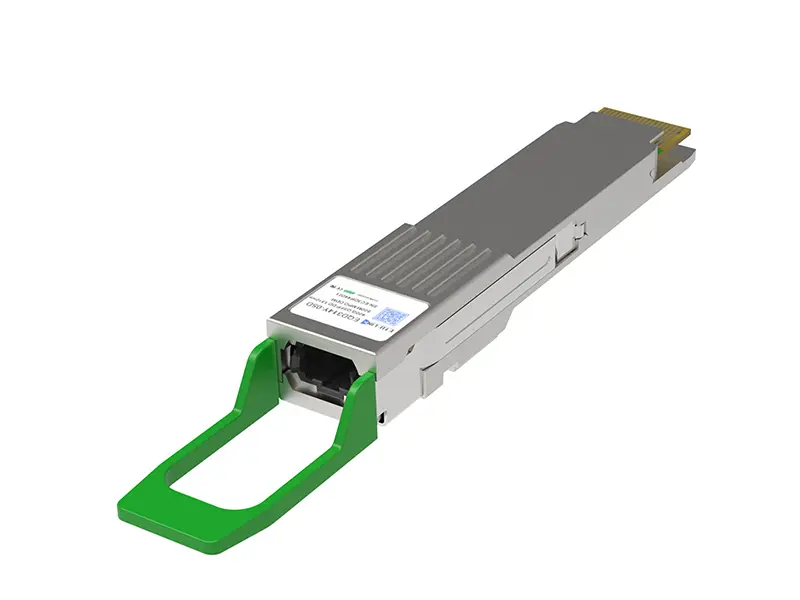 400G
400G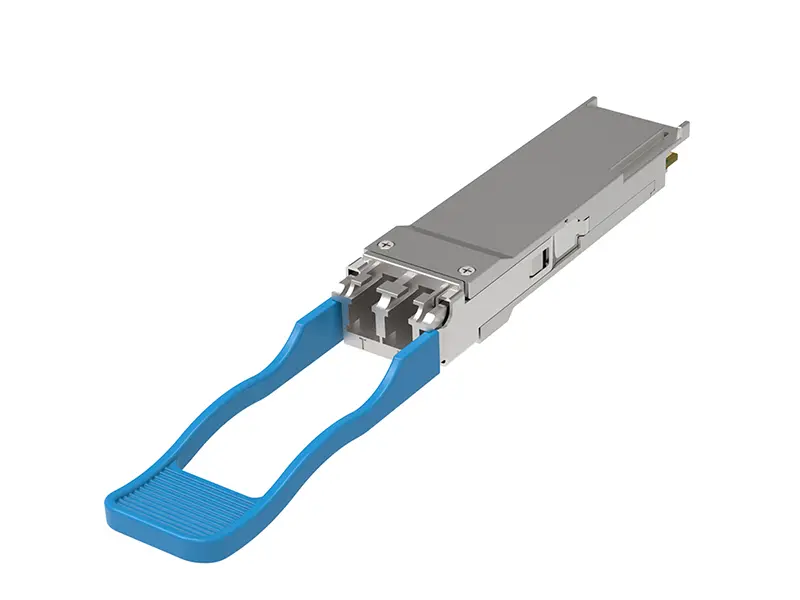 200G
200G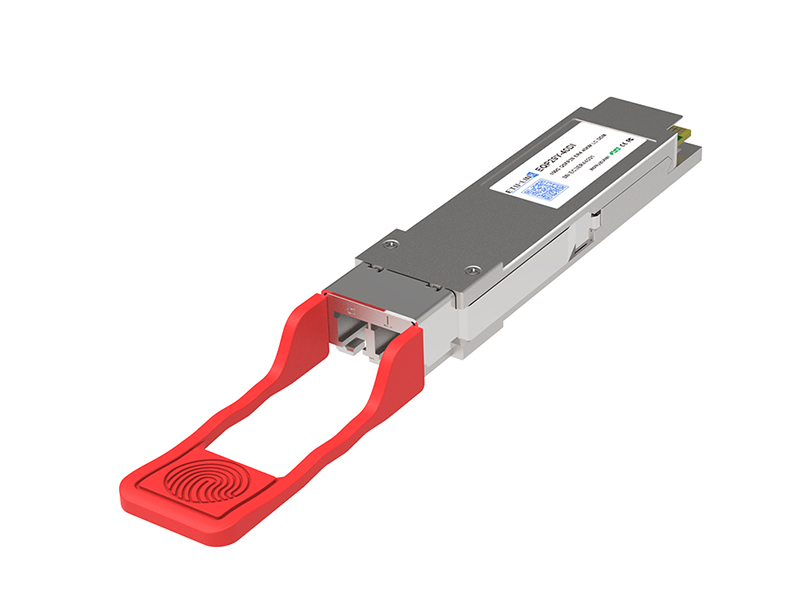 100G
100G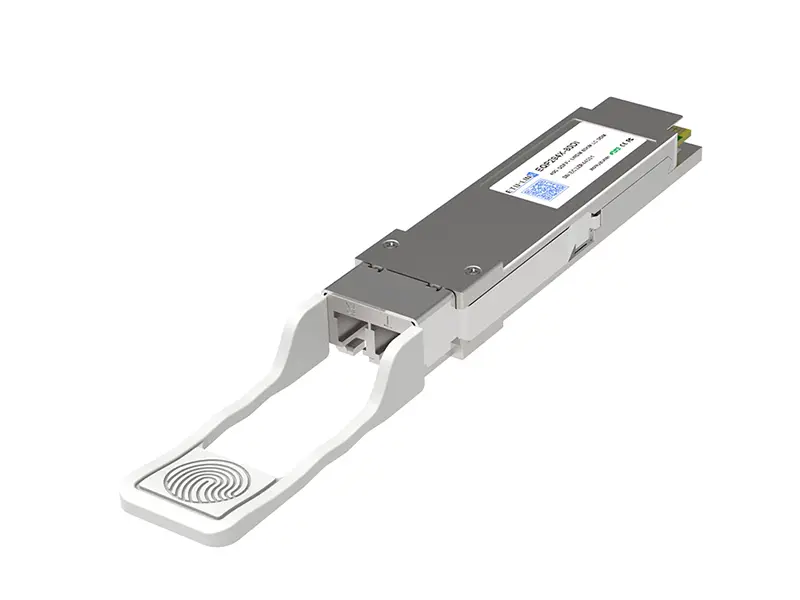 40G
40G 25G
25G 10G
10G 1G
1G COPPER-T
 Other
Other 10G SFP+ DAC
 40G QSFP+ DAC
 56G QSFP+ DAC
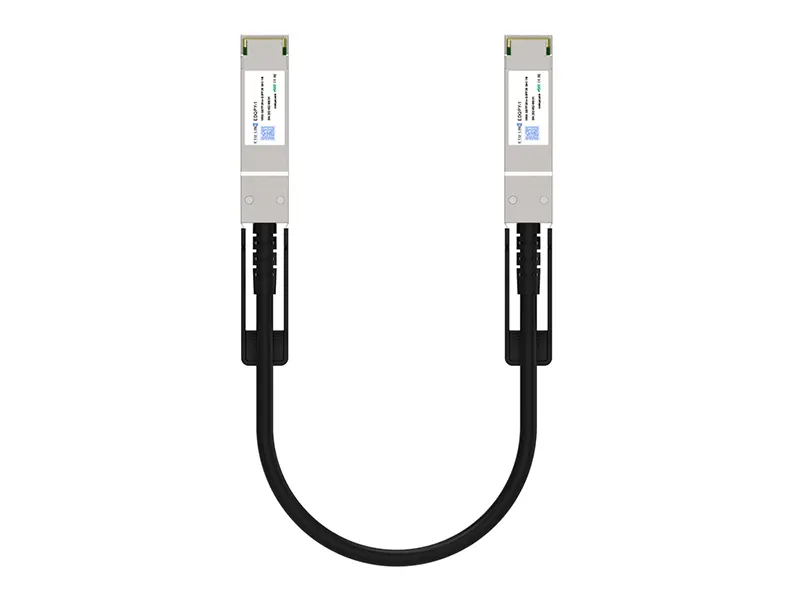 100G QSFP28 DAC
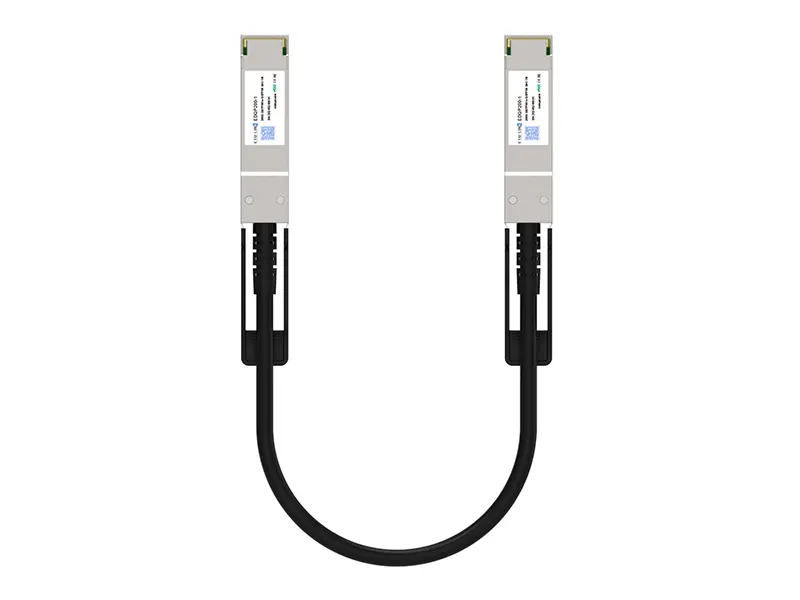 200G QSFP56 DD DAC
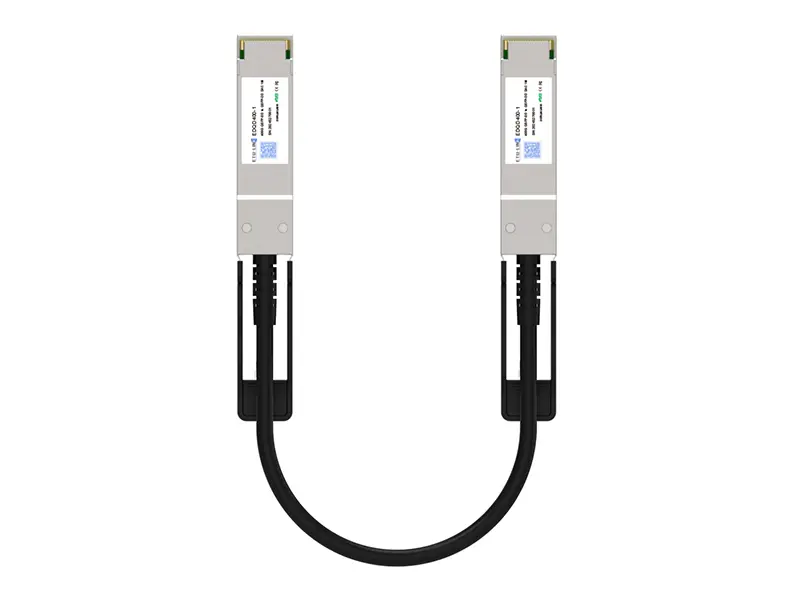 400G QSFP DD DAC
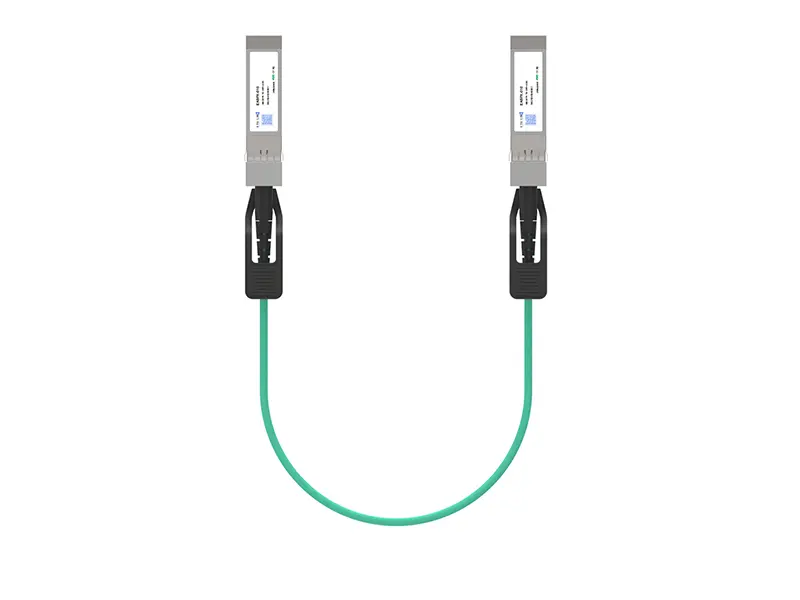 10G SFP+ AOC
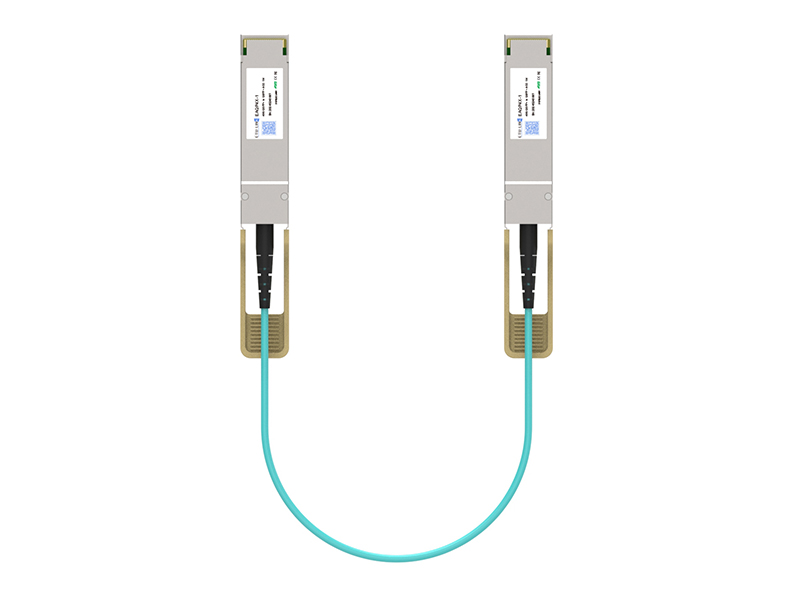 40G QSFP+ AOC
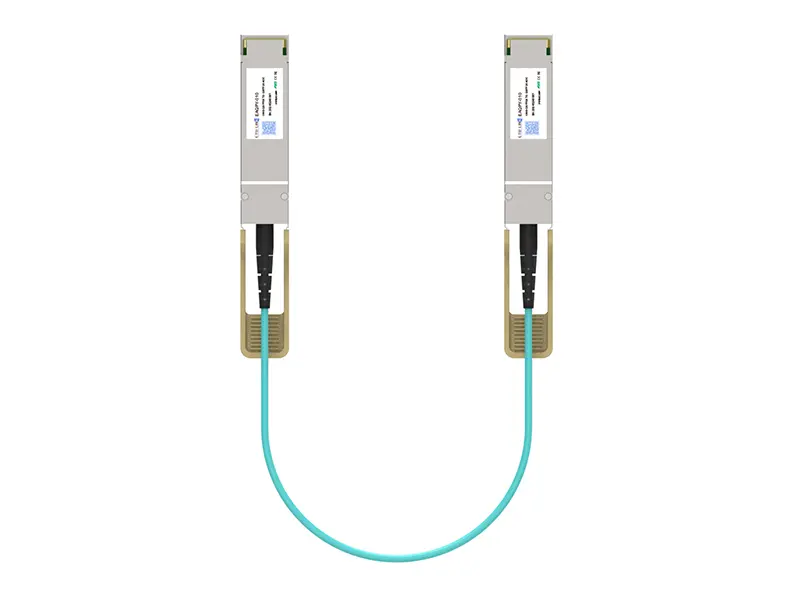 100G QSFP28 AOC
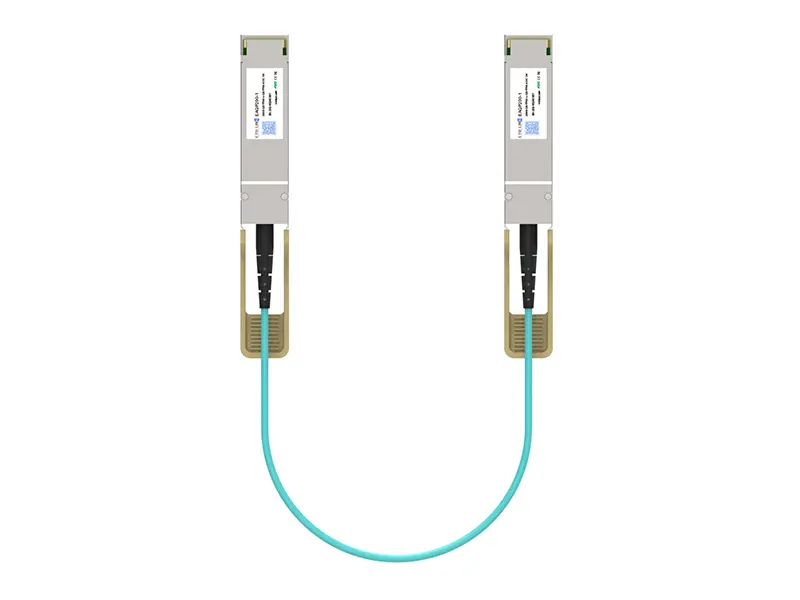 200G QSFP56 AOC
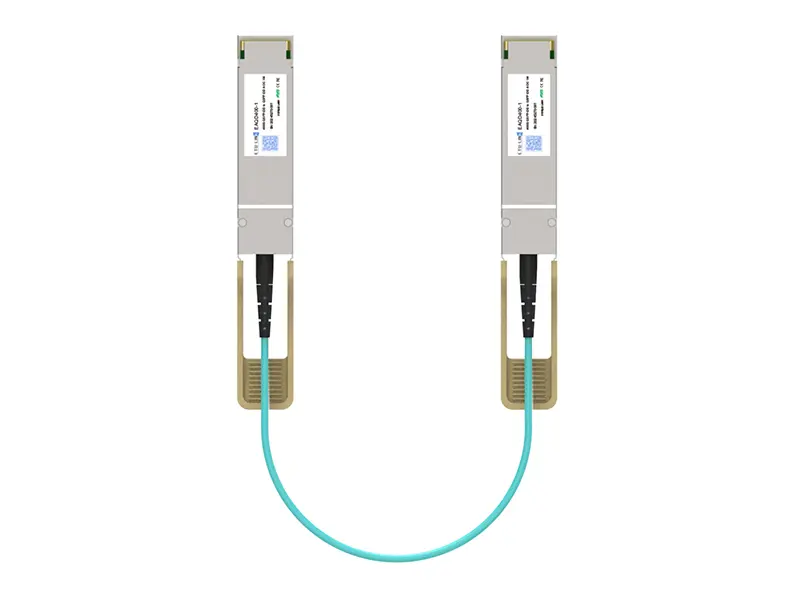 400G QSFP-DD AOC
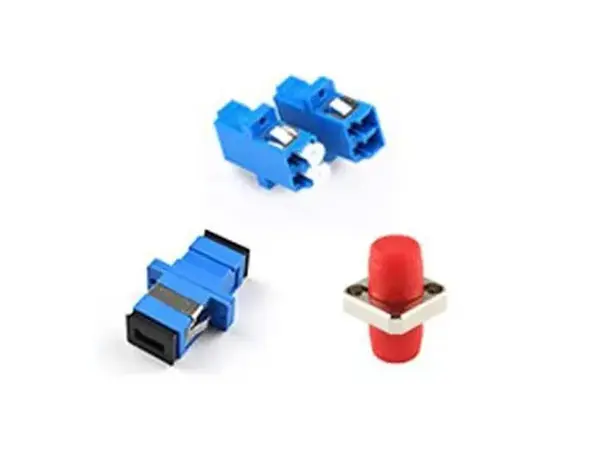 Adapter Details
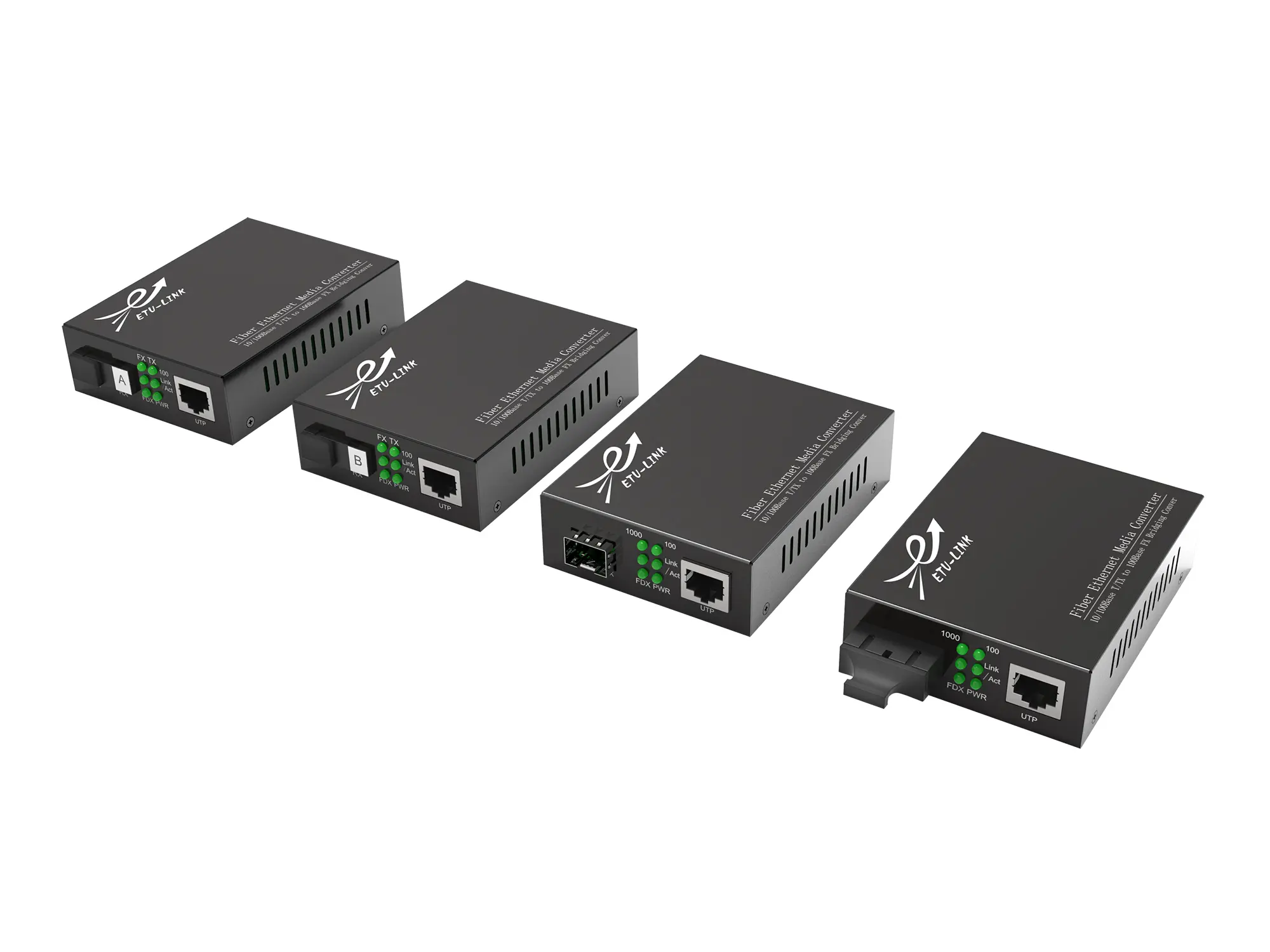 Media Converter