2026 How to Choose 400G OSFP AOC for Your Network Needs?
In the rapidly evolving landscape of data communications, the selection of an appropriate 400G OSFP AOC is critical for modern networks. Industry forecasts show that global demand for high-speed interconnect solutions will reach $5 billion by 2025. These figures underline the urgency of making informed choices. Experts emphasize understanding your specific network requirements to ensure optimal performance. Dr. Emily Chang, a leading authority in optical networking, asserts, "The right cable choice can enhance bandwidth efficiency significantly."
Choosing a 400G OSFP AOC involves considering factors like distance, power consumption, and compatibility with existing infrastructure. Many organizations struggle with these details, leading to underutilized network capabilities. Acknowledging this, professionals often suggest conducting a thorough assessment of current and future bandwidth needs. Relying on expert recommendations and using robust evaluation metrics can mitigate costly mistakes in the long run.
While there is abundant information available, even seasoned network managers find the selection process daunting. The diversity of options complicates decision-making. Therefore, engaging with knowledgeable partners in the industry can provide much-needed clarity. Balancing technical specifications with practical needs is no easy task, yet it is essential for achieving a resilient network architecture.
Understanding 400G OSFP AOC Technology and Its Importance
Understanding 400G OSFP AOC Technology and Its Importance
The 400G OSFP Active Optical Cable (AOC) plays a significant role in high-speed networking. It delivers exceptional data rates, making it ideal for data centers and large enterprises. AOC technology utilizes optical fiber for high bandwidth and low latency. This is crucial as networks demand faster speeds and wider bandwidths to support various applications.
Tips: Consider the distance your data signals need to travel. AOCs are effective over both short and medium-range distances. Evaluate your current infrastructure to ensure compatibility with 400G standards. Understanding your network’s requirements ensures efficient performance.
Installation can be tricky. Ensure that your team is well-trained or consult an expert. A poorly installed AOC can impact overall network performance. Regularly monitor connection quality. If you notice issues, it may be necessary to reevaluate your AOC choice. Check for wear and tear as cables can degrade over time.
As cloud services surge, the importance of reliable connections increases. Adopting the latest AOC technology is not just a trend. It's a necessity for future-proofing your network. However, balancing performance and cost is essential. Be cautious of overspending on features that may not align with your specific needs.
Bandwidth Requirements for 400G OSFP AOC
Key Features to Consider When Selecting 400G OSFP AOC Cables
When selecting 400G OSFP Active Optical Cables (AOC), understanding key features is crucial. These cables are designed for high-speed data transmission, which is essential for modern networks. Industry reports indicate that the global demand for 400G optical networks will reach $7 billion by 2025. This emphasizes the importance of choosing the right cables to ensure seamless connectivity.
One significant feature to consider is transmission distance. AOC cables typically support ranges from a few meters up to several hundred meters, depending on the environment. For example, while some cables function optimally within 100 meters, others might effectively serve longer distances in data centers. The choice depends largely on the network's architecture and intended application.
Another aspect is power consumption. 400G AOCs should ideally be energy-efficient. According to a recent survey, energy savings of approximately 30% can be seen with properly optimized AOC solutions. Additionally, compatibility with existing infrastructure is vital. This includes ensuring that the optical devices and switches are compatible with the chosen cables. Balancing these factors requires careful consideration, and often, organizations face challenges due to varying specifications and standards.
Evaluating Compatibility with Your Existing Network Infrastructure
When selecting a 400G OSFP AOC for your network, compatibility is crucial. First, assess your current infrastructure. Consider the type of existing transceivers and switches in use. They must support the high data rates of AOC technology. Check if your network architecture can handle the density and performance improvements.
Ensure you have sufficient cable management in your data center. Improper cable organization can affect performance and lead to congestion. It's essential to evaluate thermal management, too. High-density connections can generate more heat, so consider airflow and cooling solutions.
Tips: Always verify the specifications before purchasing. Look for technical documentation and installation guides. These resources can provide valuable insights. Additionally, consult with network engineers for compatibility checks. They can help mitigate potential integration issues. This step can save time and resources in the long run.
Assessing Performance Metrics for 400G OSFP AOC Solutions
When choosing a 400G OSFP AOC for your network, understanding performance metrics is crucial. One key metric is bandwidth. A high bandwidth ensures that data can be transmitted quickly and efficiently. Latency is another important factor. Network experiences can suffer if latency is too high. Testing different configurations can reveal performance bottlenecks.
Cabling quality also plays a vital role in overall performance. The fiber type, connectors, and even environmental factors can affect signal integrity. Evaluating these elements requires a methodical approach. Are the cables rated for the distances you intend to cover? This consideration is often overlooked yet crucial.
Compatibility with existing network infrastructure can cause integration issues. Always consider your current setups and future scalability needs. Sometimes, an overly ambitious upgrade can strain your operations. It’s worthwhile to conduct thorough tests and seek expert advice when necessary. Evaluating these performance metrics will help ensure the selected 400G OSFP AOC meets your network's requirements effectively.
2026 How to Choose 400G OSFP AOC for Your Network Needs? - Assessing Performance Metrics for 400G OSFP AOC Solutions
| Metric |
Value |
Description |
| Data Rate |
400 Gbps |
Maximum data transmission rate supported by the AOC |
| Cable Length |
100 meters |
Maximum distance the AOC can maintain optimal performance |
| Jitter |
< 1.5 ns |
Variation in packet arrival time, low values are preferable |
| Latency |
< 300 µs |
Time taken for a signal to travel from source to destination |
| Temperature Range |
0°C to 70°C |
Operating temperature range for reliable performance |
| Power Consumption |
< 3.5 W |
Average power used by the AOC during operation |
| Connector Type |
OSFP |
Type of connector used for interfacing |
| Insertion Loss |
< 1.0 dB |
Loss of signal strength due to insertion of the AOC |
Cost Considerations and Long-term Investment Benefits of 400G AOCs
When choosing a 400G OSFP AOC for network needs, cost is a significant factor. Many may overlook the long-term value these cables can bring. While initial expenses can seem high, AOCs provide scalability. This means businesses can grow without needing to frequently upgrade their cabling solutions. A well-chosen AOC can last for years, mitigating repeated costs from new purchases.
Additionally, the reliability of 400G AOCs cannot be ignored. High-quality AOCs reduce downtime and maintenance expenses. However, not all AOCs are created equal. It's essential to assess an AOC’s specifications. Cheaper alternatives might save money upfront but can lead to performance issues later. Investing in quality is crucial for maintaining a stable network.
Thoughtful planning may improve overall network efficiency. Consider your network's future needs along with current demands. This might mean spending more now but could prevent costly upgrades shortly. Reflect on your current architecture. Are your choices sustainable in the long run? Emphasizing these factors can lead to better decisions, optimizing both costs and performance.

 400G
400G 200G
200G 100G
100G 40G
40G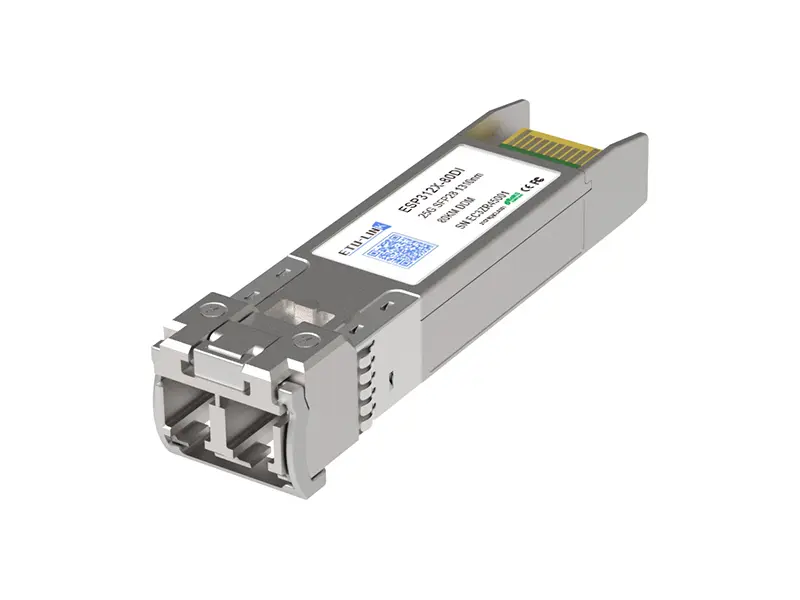 25G
25G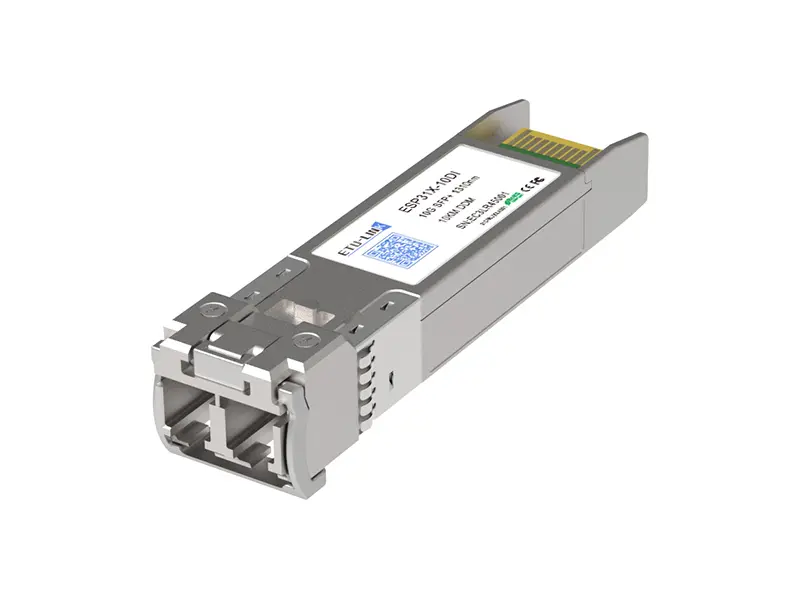 10G
10G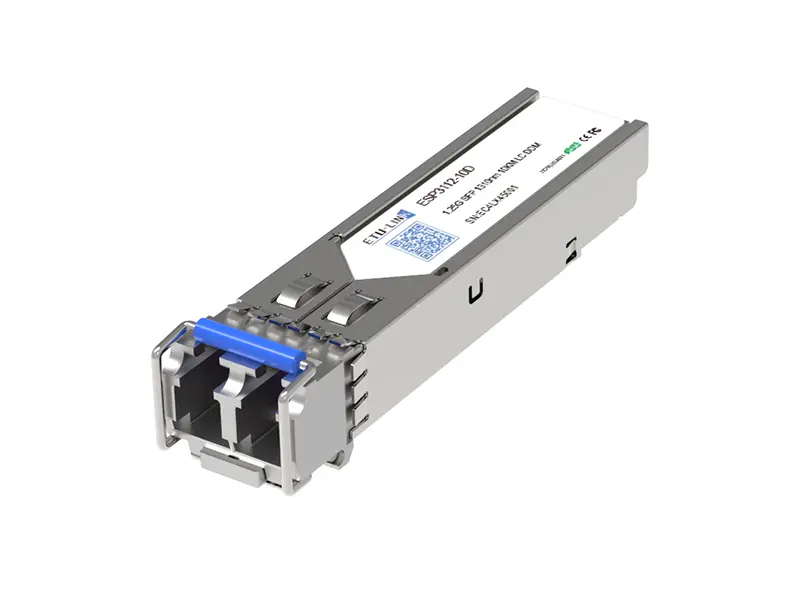 1G
1G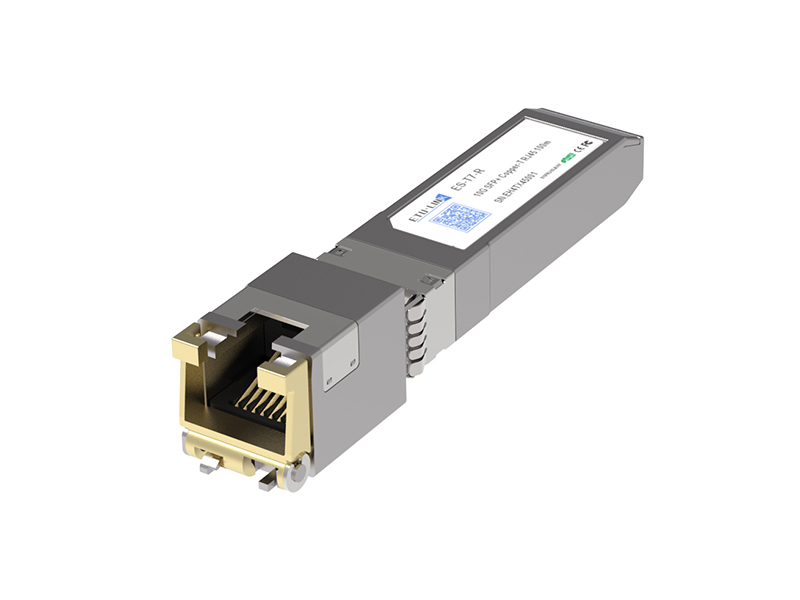 COPPER-T
 Other
Other 10G SFP+ DAC
 40G QSFP+ DAC
 56G QSFP+ DAC
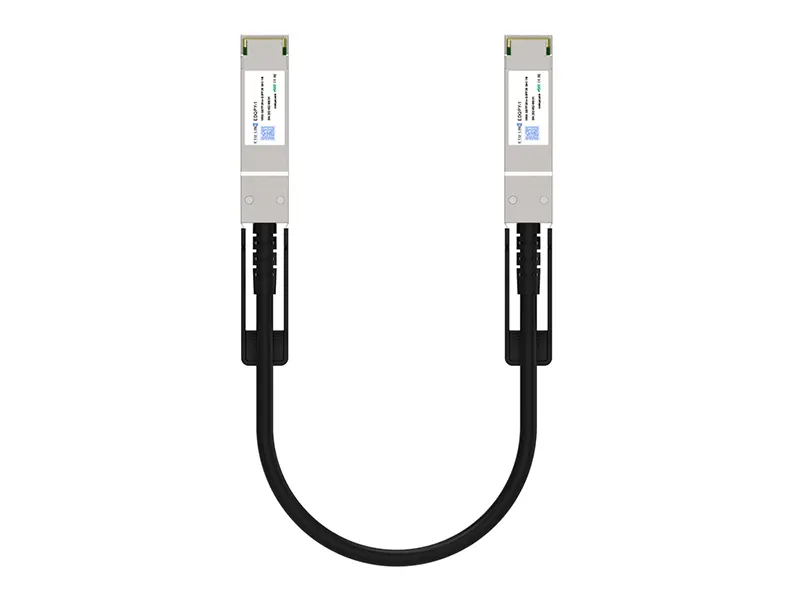 100G QSFP28 DAC
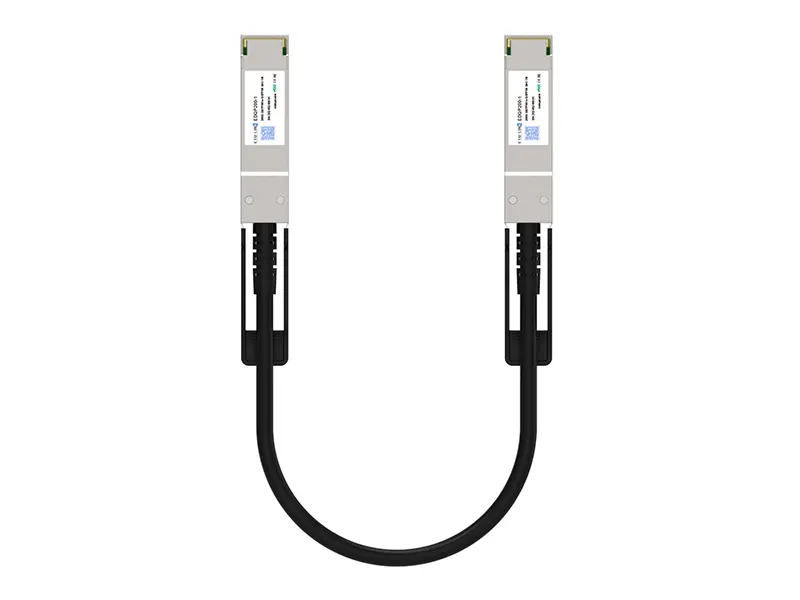 200G QSFP56 DD DAC
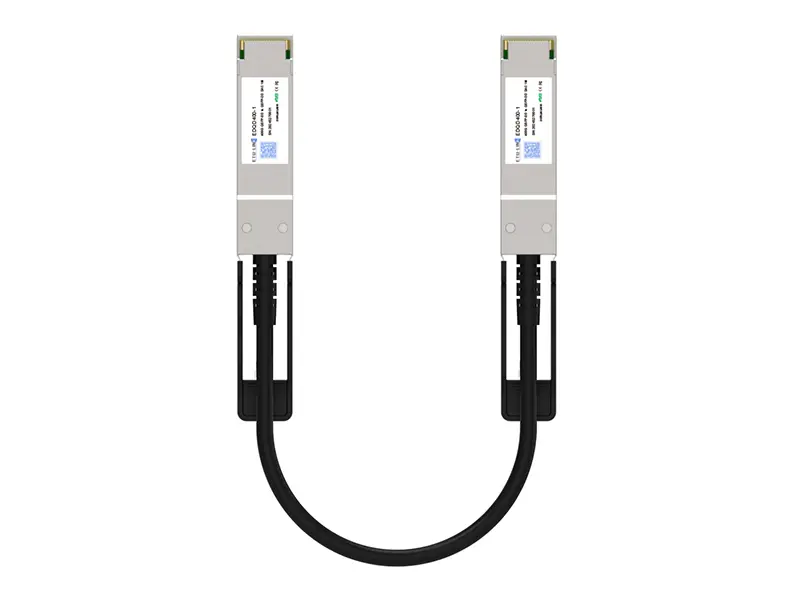 400G QSFP DD DAC
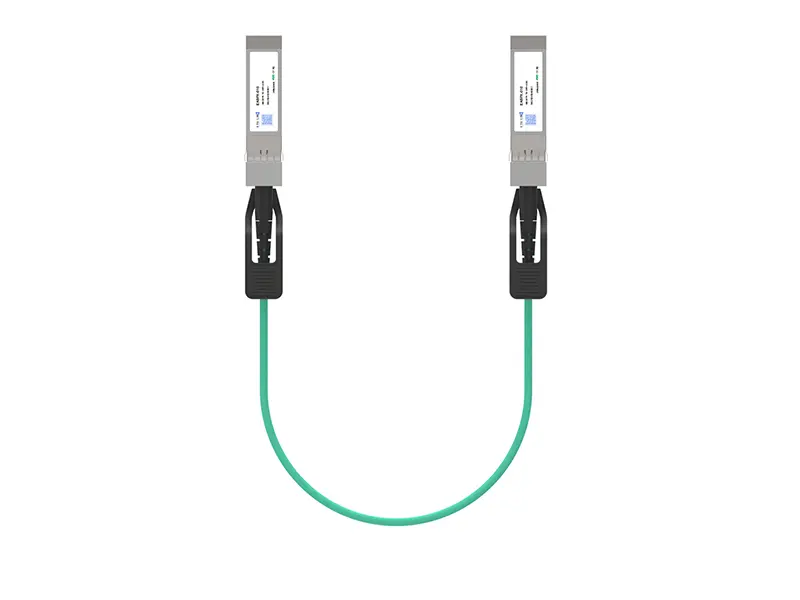 10G SFP+ AOC
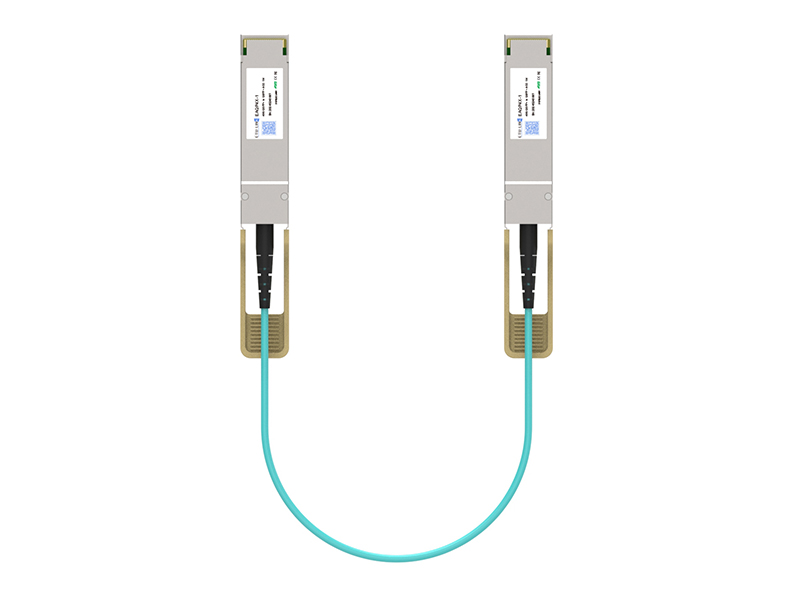 40G QSFP+ AOC
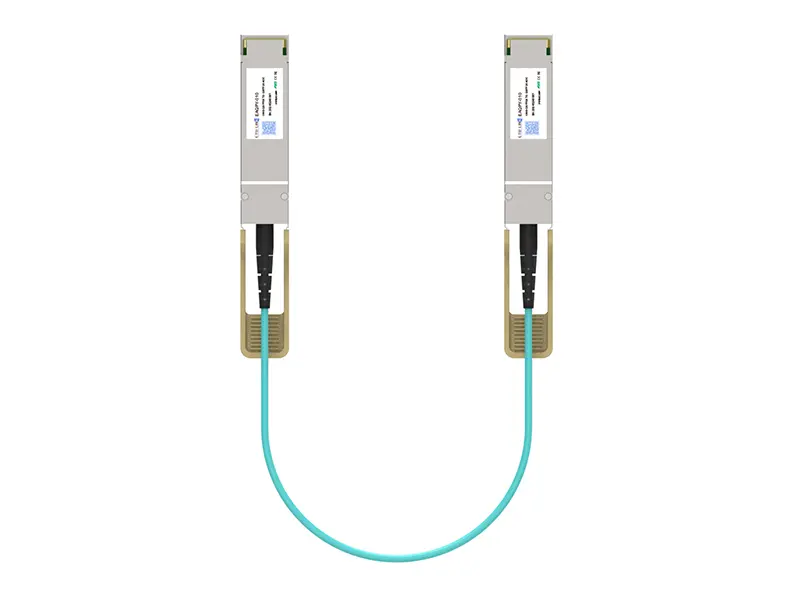 100G QSFP28 AOC
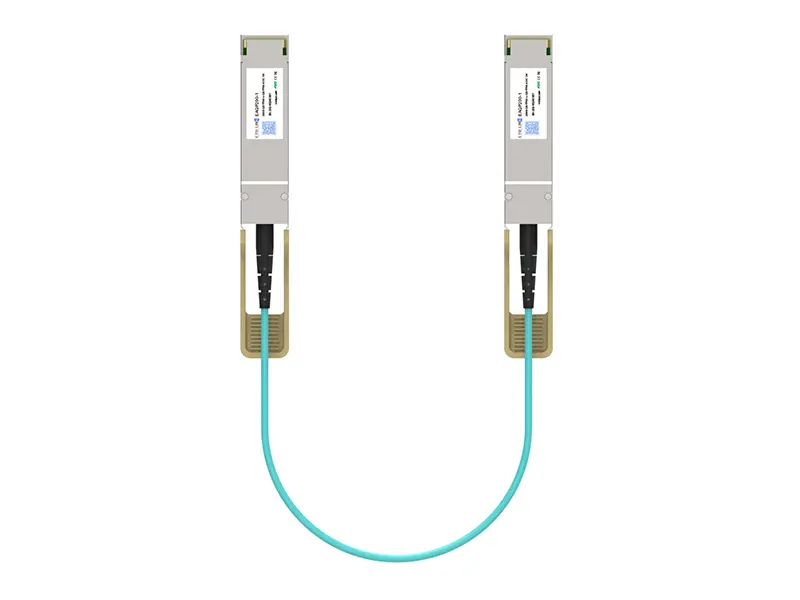 200G QSFP56 AOC
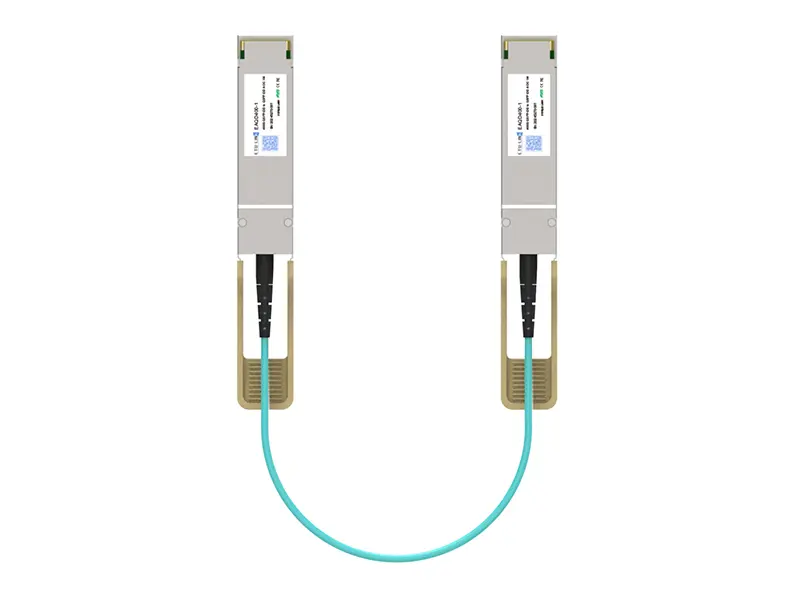 400G QSFP-DD AOC
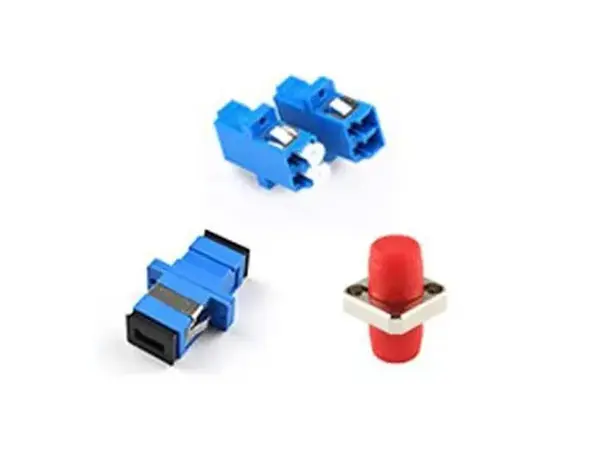 Adapter Details
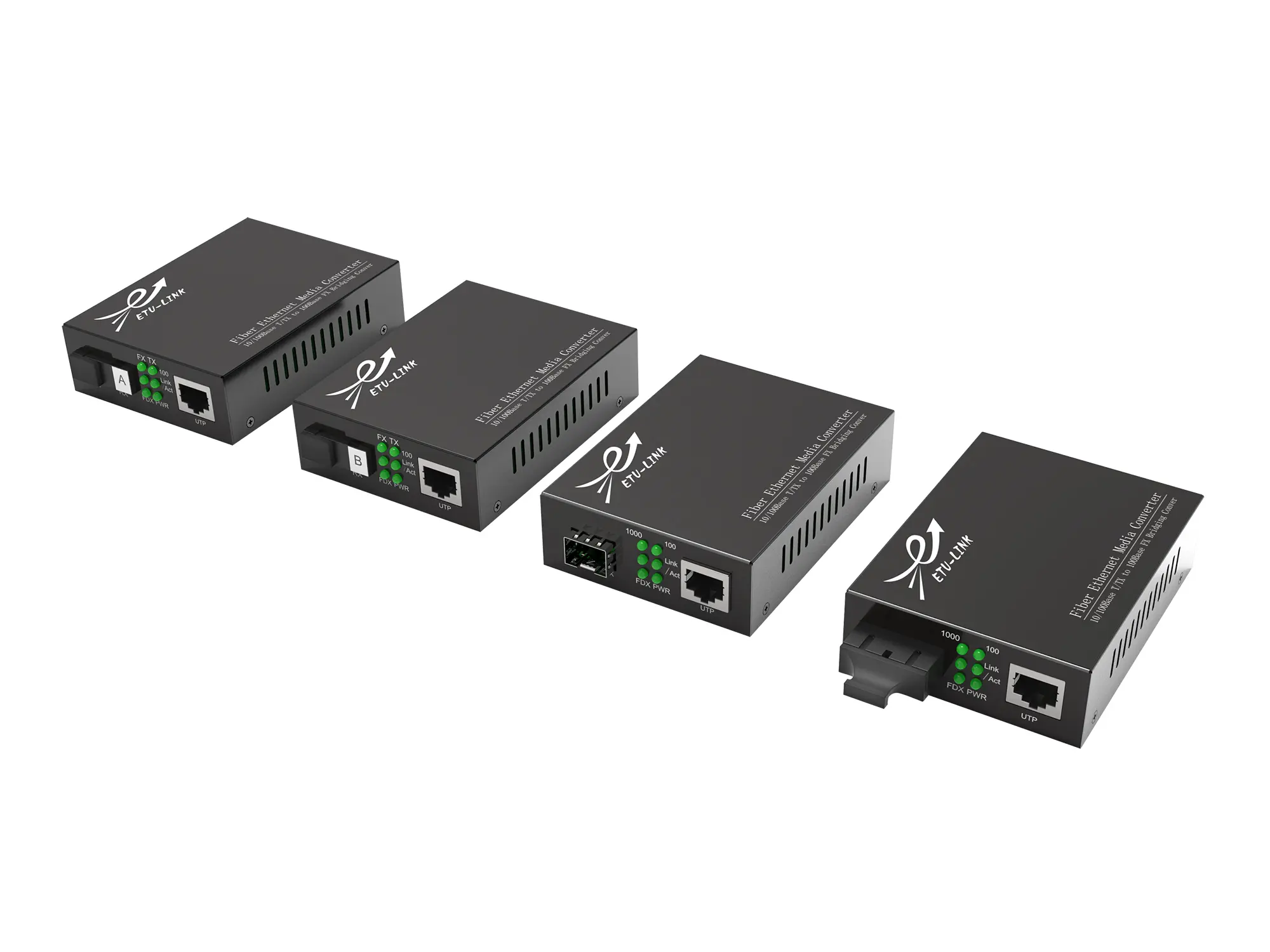 Media Converter