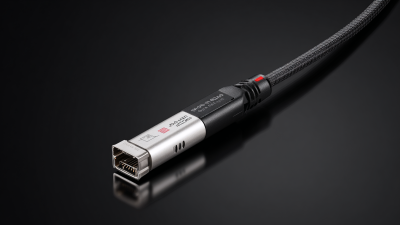
2026 How to Choose 400G QSFP-DD AOC for Your Network?
In today's rapidly evolving digital landscape, selecting the right components for your network is crucial. The 400G QSFP-DD AOC (Active Optical Cable) stands out as a key player in high-speed data transmission. Experts project that the demand for high-speed connectivity will grow exponentially, with a market report by Dell'Oro Group estimating the optical cable market to reach $12 billion by 2026.
Dr. Emily Tan, a leading figure in optical communication technology, emphasizes the importance of making informed choices. She states, "Choosing the right 400G QSFP-DD AOC can dramatically impact your network's performance." This highlights the necessity of evaluating various factors, such as length and compatibility, when selecting these cables.
As networks evolve, so do the technologies that support them. While the 400G QSFP-DD AOC promises speed and efficiency, careful consideration is essential to avoid pitfalls. Factors such as power consumption and heat management might affect overall system performance. Thus, understanding both the advantages and potential challenges is vital for network optimization.

Understanding 400G QSFP-DD AOC Technology
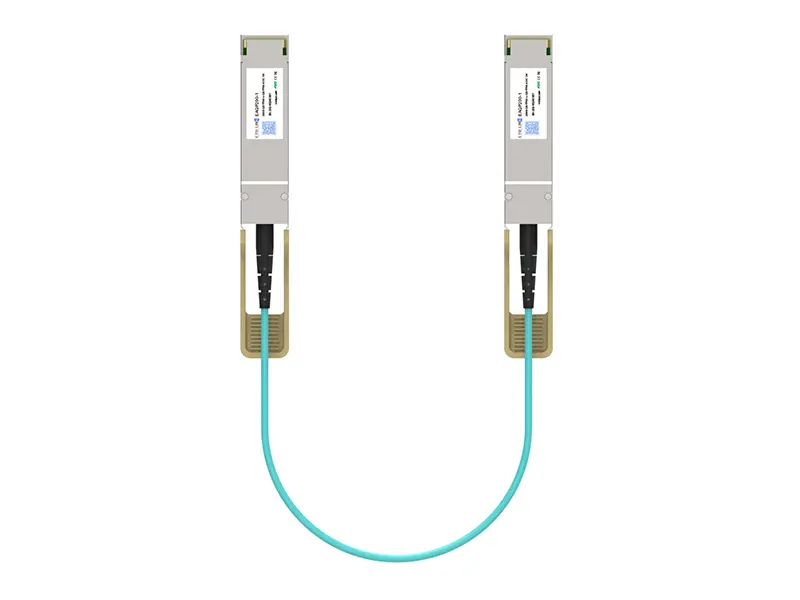
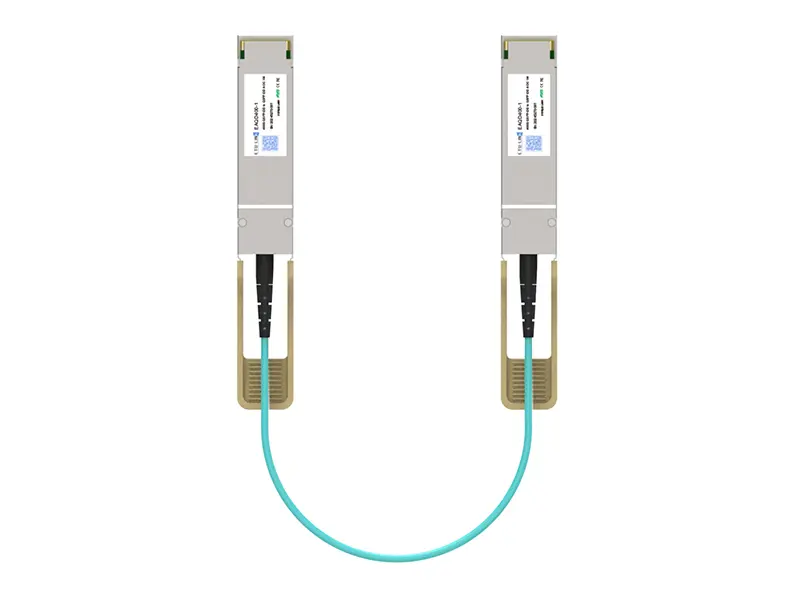
400G QSFP-DD Active Optical Cables (AOCs) are reshaping data centers and networks. These cables deliver high-speed data transmission over longer distances compared to traditional copper options. Recent industry reports predict that the market for 400G AOC technology will grow significantly, with an expected CAGR of 35% from 2023 to 2028. This growth reflects the increasing demand for bandwidth and the shift towards more efficient networking solutions.
When selecting a 400G QSFP-DD AOC, consider distance and performance. These cables can typically reach lengths of up to 100 meters. This is crucial for large-scale data centers where distance can pose a challenge. However, the actual performance can vary based on environmental conditions and installation quality. Customers must also be aware of potential compatibility issues with existing systems. A detailed evaluation of infrastructure is essential.
Optical loss is another critical factor. The allowable loss for AOCs is usually around 1 dB for every 10 meters. Finding the right balance between distance and performance is not always straightforward. Many users underestimate the impact of optical loss. Looking closely at specifications can help mitigate future surprises. Understanding these nuances can lead to better decisions for future network upgrades.
Key Factors Influencing AOC Selection for Networks
When choosing a 400G QSFP-DD AOC for your network, several key factors come into play. First, consider the total distance for signal transmission. AOCs are designed to operate effectively over varying lengths. Some work best in short-range applications, while others can extend further. Evaluate your network layout and plan accordingly. For optimal performance, match the AOC specifications to your specific distance requirements.
Another crucial aspect is the environment in which the AOC will function. Temperature variations and exposure to electromagnetic interference can impact performance. AOCs are available in different ratings for durability and resilience. Take note of these factors to ensure the robustness of your setup. It may require testing various options to find the ideal fit for your conditions.
Cost is often a significant factor but should not overshadow quality. A cheaper option might lead to issues later on, such as signal loss or overheating. Balance your budget with the necessity for reliability and performance. Sometimes, investing in a higher-quality AOC pays off in the long run. Pay attention to the specifications and seek out user reviews to guide your decision. Each choice should align with the operational demands of your network.
2026 How to Choose 400G QSFP-DD AOC for Your Network? - Key Factors Influencing AOC Selection for Networks
| Factor |
Description |
Importance Level |
Recommended Specifications |
| Compatibility |
Ensure AOC is compatible with existing network hardware. |
High |
QSFP-DD to QSFP-DD support |
| Length |
Select based on required distance in your setup. |
Medium |
1m to 100m options |
| Data Rate |
Must support 400G data rates. |
High |
400G compliant |
| Cable Type |
Choose between passive and active optical cables. |
Medium |
Active Optical Cable recommended for longer distances |
| Cost |
Evaluate budget for cable solutions. |
High |
Compare prices from multiple sources |
| Environmental Considerations |
Ensure suitable for the installation environment (temperature, humidity). |
Medium |
Rated for specified conditions |
Comparing Different Types of AOC Cables
When selecting 400G QSFP-DD AOC cables, it is essential to compare the various types available. Active Optical Cables (AOCs) come in different designs. Each design has its advantages and disadvantages. Some cables are optimized for short distances, while others perform better over longer runs.
The most common types include Multi-Mode and Single-Mode AOCs. Multi-Mode AOCs transmit data over short distances, typically up to 100 meters. They are cost-effective and widely used in data centers. However, signal quality can degrade over longer runs. On the other hand, Single-Mode AOCs are designed for longer distances, up to kilometers. They provide better signal integrity but often at a higher cost.
When making a choice, think about the installation environment. Are you connecting server racks close to each other? Multi-Mode might work best. If you have a more extensive network to cover, Single-Mode could be necessary. Yet, it’s essential to reflect on future needs. Choosing a cable that fits today’s requirements might limit your network’s scalability tomorrow.
Evaluating Performance and Compatibility Requirements
When selecting a 400G QSFP-DD AOC for your network, performance is crucial. Evaluate the data transfer speed. Ensure it meets your bandwidth requirements. Latency also plays a key role. High latency can disrupt applications.
Assess the cable length, as this affects signal integrity. Shorter cables usually provide better performance.
Compatibility requirements are vital in the decision-making process. Verify that the AOC works with your existing equipment. Check the connector types and pin configurations. A mismatch can lead to connectivity issues.
Also, consider the environmental conditions. Some cables perform poorly in extreme temperatures.
It’s important to reflect on your current and future needs. What upgrades might be required soon? Will your network scale? Choose an AOC that allows flexibility. Sometimes, the cheapest option may not be the best. Look for balance between cost and capability.
Future Trends in 400G AOC Solutions for Networking
The future of 400G AOC (Active Optical Cable) solutions is evolving rapidly. As network demands grow, so does the need for higher bandwidth and faster speeds. Organizations are focusing on optimizing their data centers with efficient 400G connections. AOC technology offers advantages such as low power consumption and flexibility in installation. This makes it an appealing choice for modern networking.
Emerging trends indicate a shift towards more advanced materials and designs. The integration of AI in network management is gaining traction. These innovations promise enhanced performance and reduced latency. However, challenges remain in ensuring compatibility with existing infrastructure. Not all networks are ready for a full 400G overhaul. Organizations may hesitate due to cost and complexity.
Selecting the right 400G AOC involves careful consideration of future needs. Do you need speed, reliability, or both? Understanding these priorities can guide your choice. As the industry progresses, staying informed on advancements will be crucial. Expect ongoing discussions about standardization and interoperability. Such conversations will shape the future landscape of networking solutions.
2026 Future Trends in 400G AOC Solutions for Networking

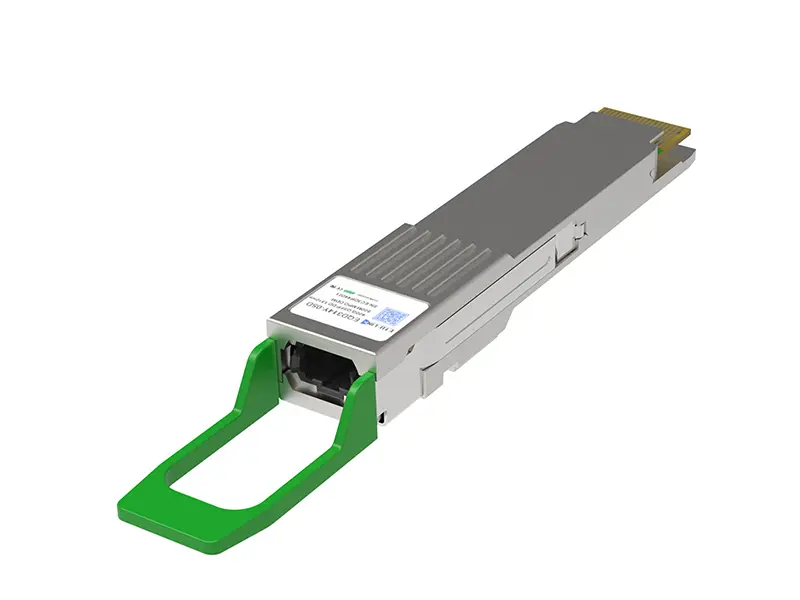 400G
400G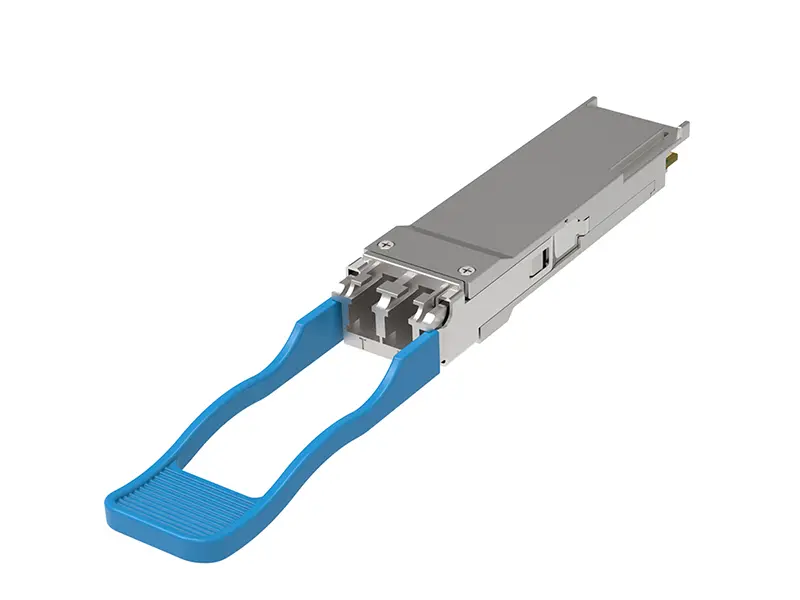 200G
200G 100G
100G 40G
40G 25G
25G 10G
10G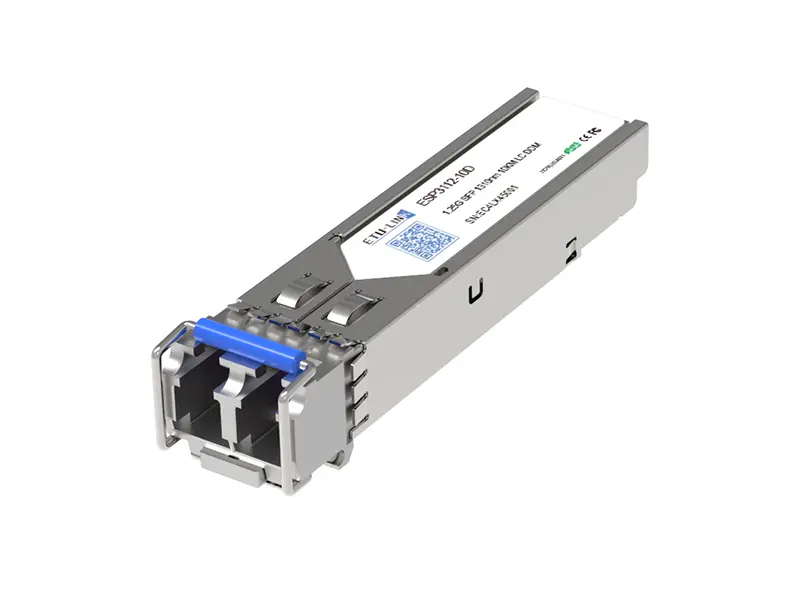 1G
1G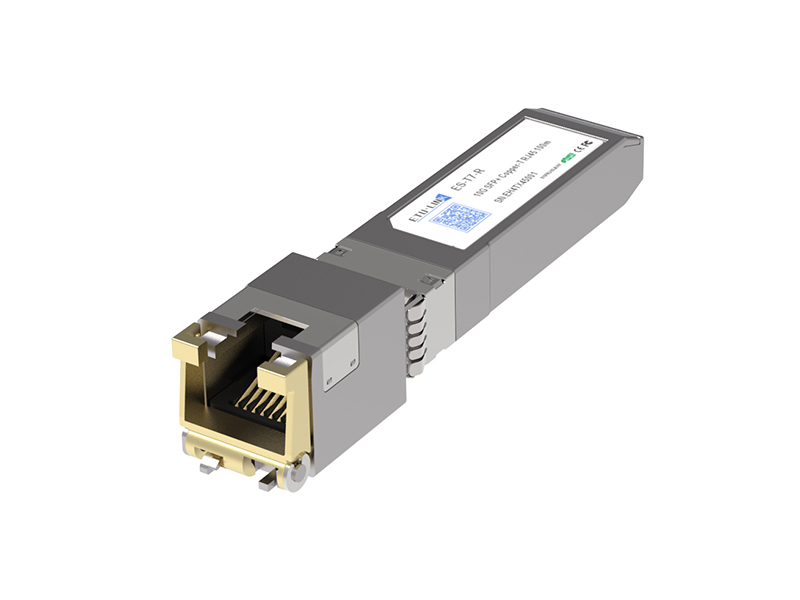 COPPER-T
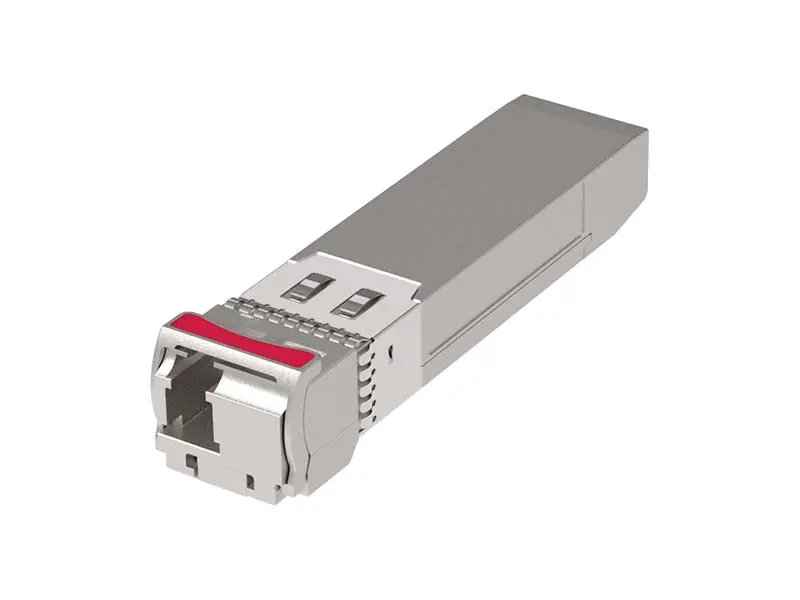 Other
Other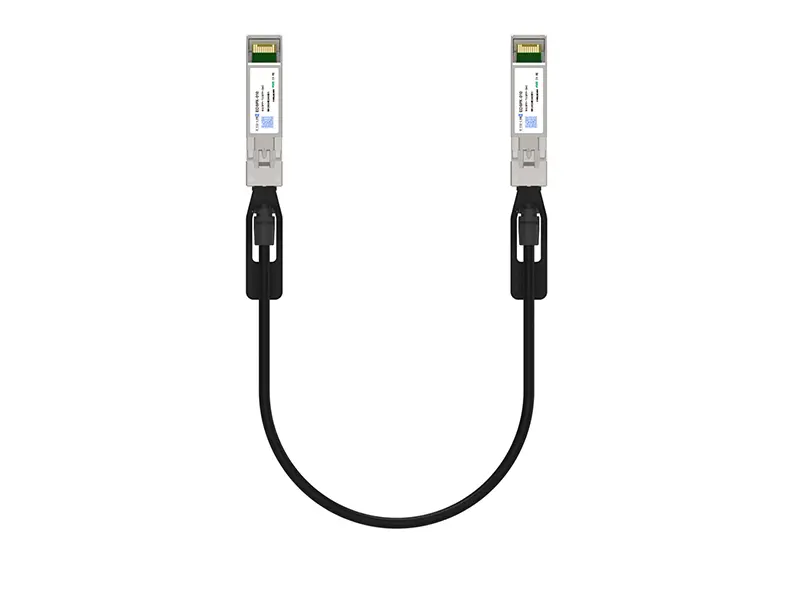 10G SFP+ DAC
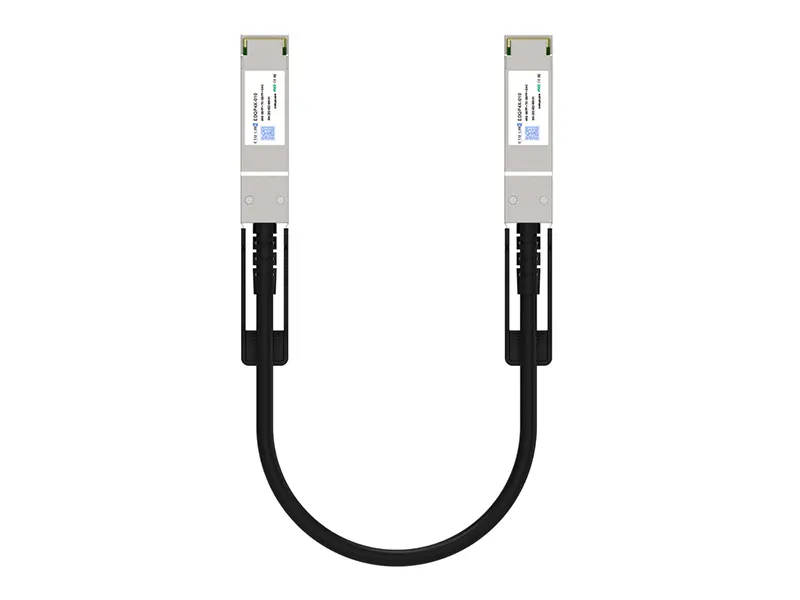 40G QSFP+ DAC
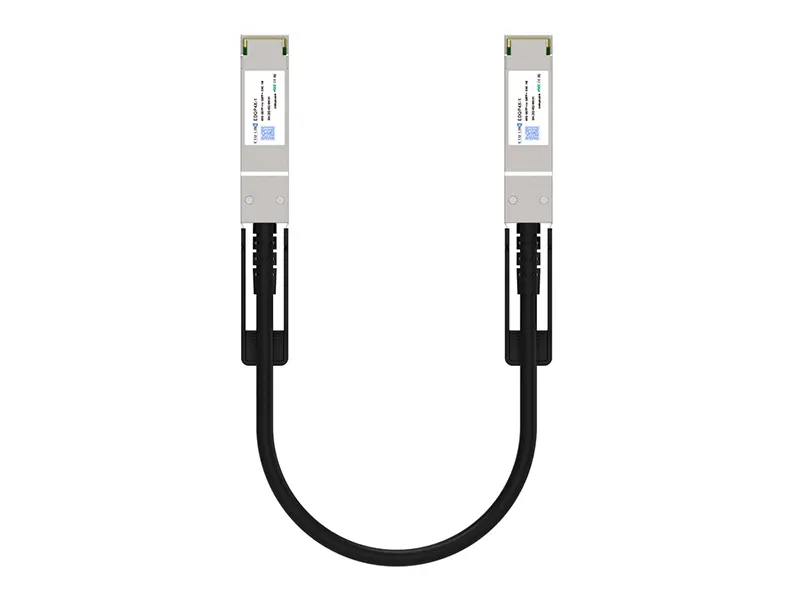 56G QSFP+ DAC
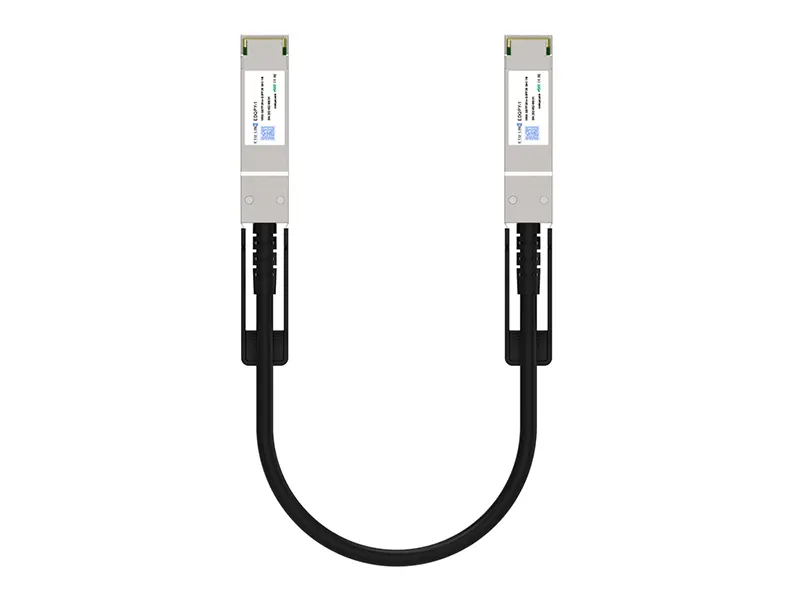 100G QSFP28 DAC
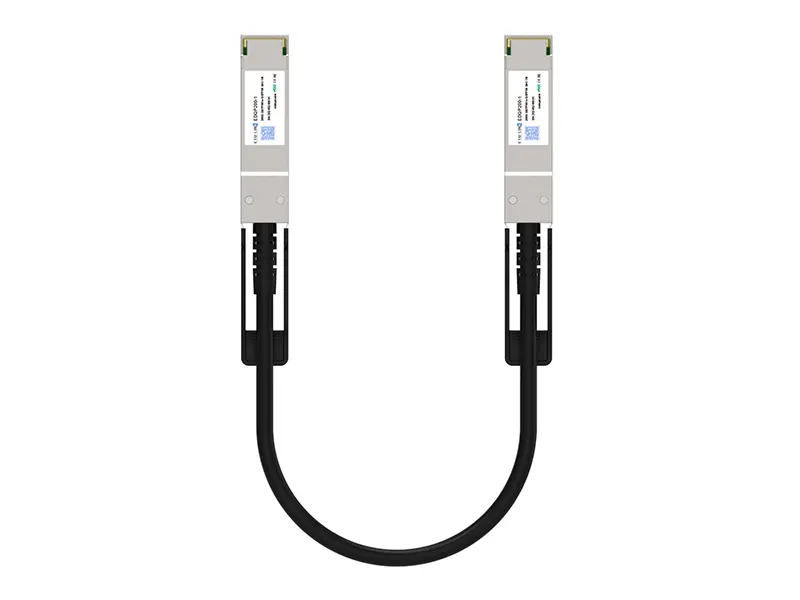 200G QSFP56 DD DAC
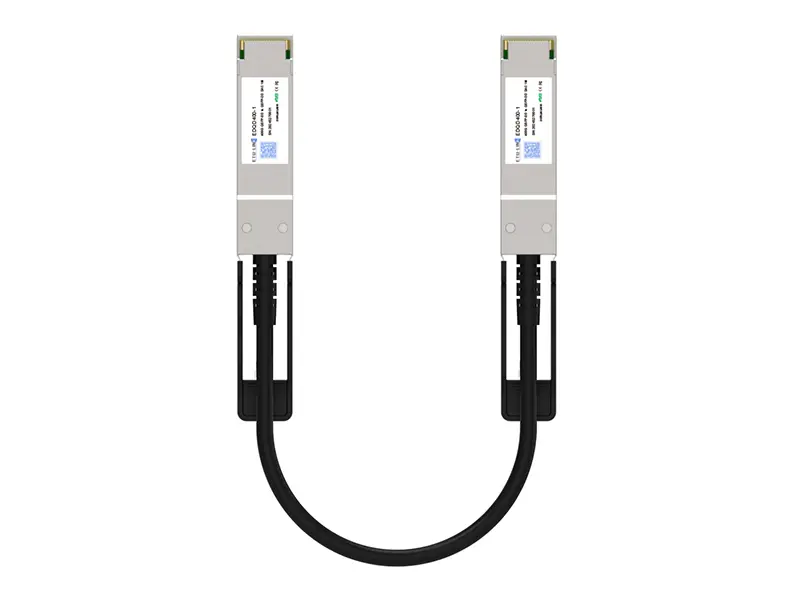 400G QSFP DD DAC
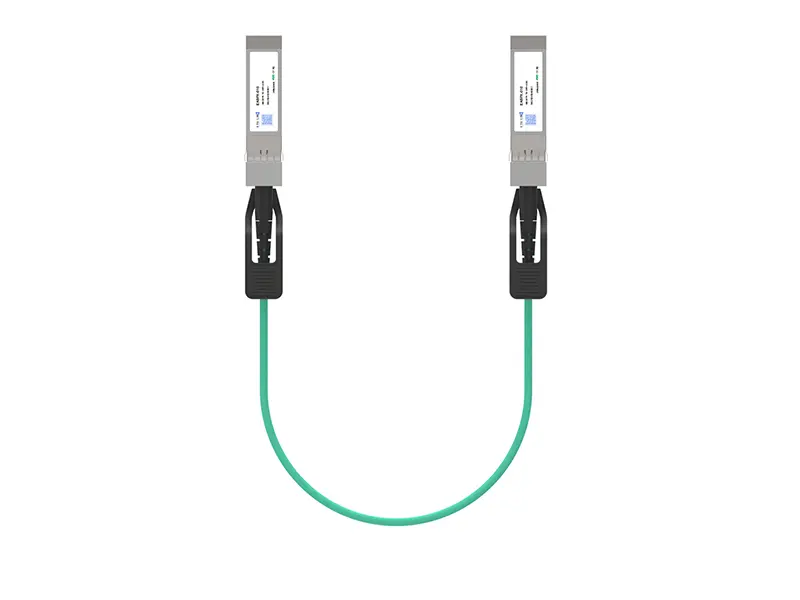 10G SFP+ AOC
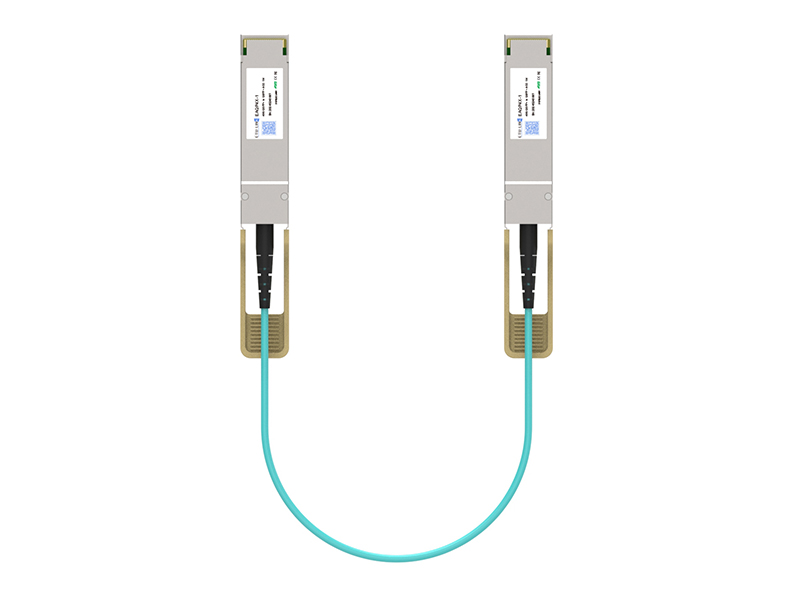 40G QSFP+ AOC
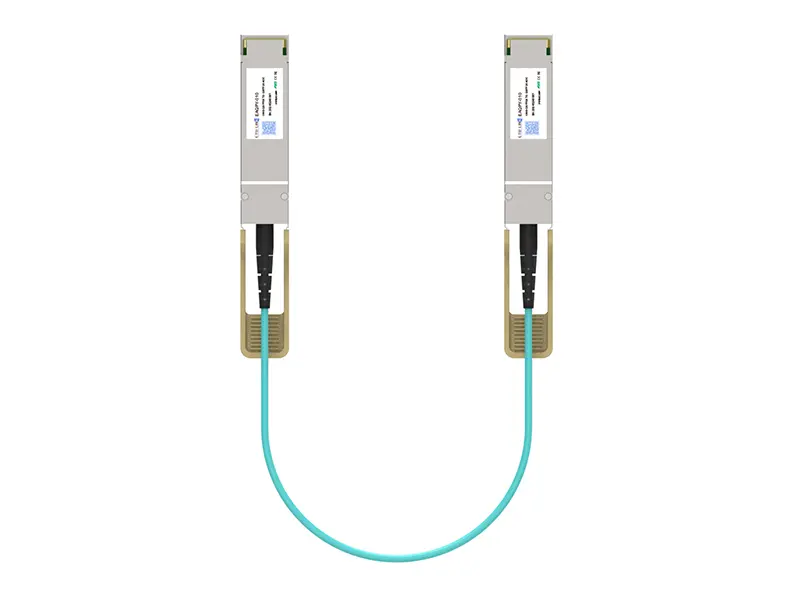 100G QSFP28 AOC
 200G QSFP56 AOC
 400G QSFP-DD AOC
 Adapter Details
 Media Converter