How to Choose the Right Cisco DWDM SFP+ Module?
Choosing the right Cisco DWDM SFP+ module is critical for network efficiency. According to industry reports, demand for high-capacity, scalable networks is rising. By 2025, the global optical transport network market is projected to reach $22 billion. Cisco DWDM SFP+ plays a vital role in supporting this expansion.
Optimizing fiber networks relies on proper selection. Cisco DWDM SFP+ modules offer flexibility and enhanced performance. Organizations must consider factors such as wavelength, reach, and compatibility with existing systems. Each decision influences overall network reliability and speed.
Despite advancements, missteps can occur. Many teams underestimate the importance of compatibility testing. Inadequate planning can lead to performance bottlenecks. Knowledge from industry experience is essential for avoiding these pitfalls. Balancing technical specifications with real-world application is key.
Understanding DWDM Technology and Its Benefits
Understanding DWDM technology is essential for modern networking. Dense Wavelength Division Multiplexing (DWDM) allows multiple data signals to travel over a single optical fiber. This significantly increases the capacity of the fiber. For instance, DWDM can combine 80 or more wavelengths, adding up to 8 Tbps (terabits per second) of data transfer on a single fiber. This technology has transformed how organizations handle data, accommodating the exponential growth in bandwidth demand.
The benefits of DWDM include improved efficiency and reduced costs. According to industry research, more than 60% of companies utilizing DWDM reported lower operational expenses. By optimizing fiber use, organizations can postpone costly infrastructure upgrades. However, correct implementation is crucial. Not all DWDM systems are the same. Configurations and compatibility must be matched to individual network needs. Some challenges can arise, such as channel spacing and signal degradation over long distances. These factors should not be overlooked when designing your network strategy.
Moreover, as networks evolve, the need for upgrading to higher-capacity systems can lead to complexity. A reliable assessment of network requirements is necessary to avoid future issues. The decision-making process should be data-driven. Using analytics can help in understanding which DWDM modules fit best. Overall, while DWDM technology presents numerous advantages, careful planning and consideration are vital to fully reap its benefits.
Key Specifications of Cisco DWDM SFP+ Modules
Choosing the right DWDM SFP+ module involves understanding key specifications that affect network performance. Optical reach is crucial. Each module has a defined distance it can effectively transmit data. Knowing your network's layout helps in selecting a module that meets these requirements.
Another important specification is the channel spacing. DWDM technology uses multiple wavelengths to transmit data. The spacing affects how many signals can fit into the same fiber. This impacts bandwidth and overall capacity. Ensure the module aligns with your operational needs and supports your existing infrastructure.
Transmitter and receiver characteristics can vary between modules. Look for parameters such as output power and sensitivity. These parameters affect how well the module can transmit data without errors. It is vital to consider these when making a decision. The choices may seem overwhelming, and it’s important to weigh your options carefully. Make informed choices based on real data and network analysis.
Factors to Consider When Selecting a Compatible Module
When selecting a compatible Cisco DWDM SFP+ module, several factors should be considered. The first aspect is the wavelength. Different applications require specific wavelengths for optimal performance. Understanding the wavelength that aligns with your network needs is crucial. It impacts the distance and capacity of your data transmission.
Another important factor is the distance the signal needs to travel. Modules are designed for varying reach capabilities. Choosing a module with the appropriate distance rating ensures reliable communication. You don't want to invest in a short-range module for long-distance applications.
Additionally, compatibility with existing hardware is vital. Not all modules work seamlessly with every system. Before making a decision, check specifications and consult technical resources. This step helps avoid potential integration issues. Always evaluate the vendor's reports and user reviews for additional insights. Balancing these factors will lead to a more informed choice, enhancing network efficiency.
How to Choose the Right Cisco DWDM SFP+ Module? - Factors to Consider When Selecting a Compatible Module
| Parameter |
Description |
Importance Level |
| Wavelength |
The specific wavelength at which the module operates, affecting data transmission efficiency. |
High |
| Transmission Distance |
Maximum distance over which data can be reliably transmitted. |
High |
| Compatibility |
Ensuring the module is compatible with existing network equipment. |
Critical |
| Power Consumption |
The amount of power the module requires to function, affecting overall network efficiency. |
Medium |
| Form Factor |
The physical size and shape of the module, which must fit in the network device. |
Medium |
| Data Rate |
The speed at which data can be transmitted, typically measured in Gbps. |
High |
| Environmental Conditions |
Operating temperature range and humidity resistance for the module. |
Medium |
Evaluating Performance Metrics for DWDM SFP+ Modules
When selecting a suitable DWDM SFP+ module, performance metrics are paramount. Key metrics include optical power, wavelength range, and bit error rate (BER). For example, optical power typically ranges from -4 dBm to 0 dBm, impacting transmission distance. A module with higher output can achieve greater distances, minimizing signal degradation.
Another critical metric to consider is the wavelength range. Many DWDM systems operate across 1530 nm to 1565 nm, supporting numerous channels in dense wavelength division multiplexing. Reports indicate that modules supporting a wider range can accommodate future upgrades, enhancing return on investment. It’s essential to assess the module’s compliance with ITU-T G.694.1 standards, ensuring compatibility with existing infrastructure.
Bit error rate is equally crucial. A BER of less than 10^-12 is desirable for reliable data transmission. However, achieving this in a real-world scenario may be challenging due to environmental factors, cable quality, and connector integrity. Regular audits and performance evaluations can help identify potential issues and areas for improvement in overall network efficiency.
Evaluating Performance Metrics for Cisco DWDM SFP+ Modules
Best Practices for Installation and Maintenance of DWDM Modules
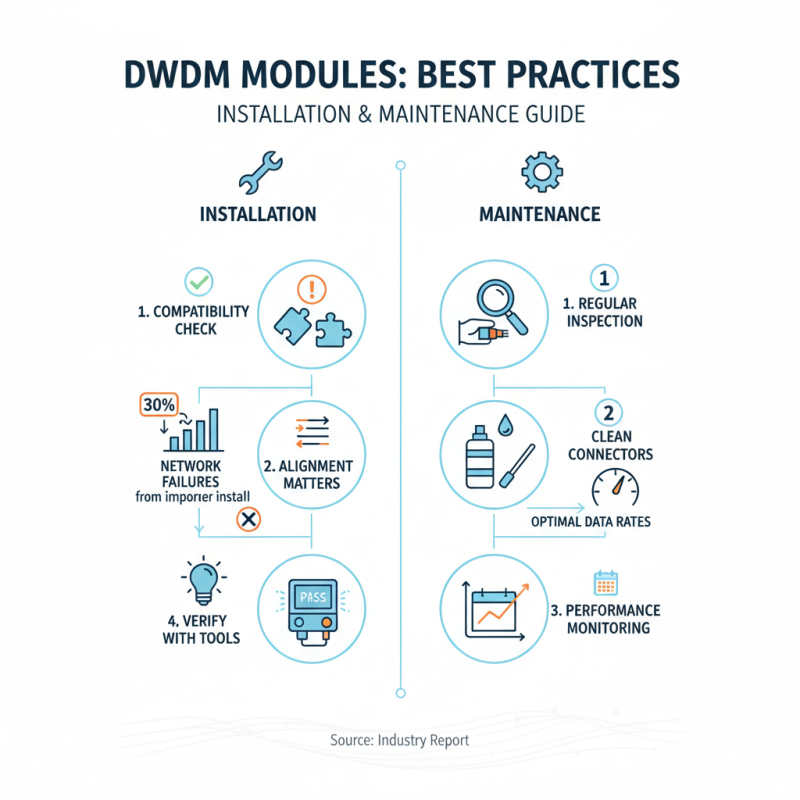
When installing DWDM modules, attention to detail is crucial. Begin by ensuring compatibility with existing network components. Misalignment can lead to performance issues, affecting data rates. A recent industry report highlights that 30% of network failures stem from improper installation. Use tools like optical power meters to verify installation effectiveness.
Maintenance is equally important. Regularly check connections and clean fiber ends to prevent signal degradation. Dust and dirt can reduce performance significantly, sometimes by 20% or more. Schedule routine inspections to identify potential issues before they escalate. Implementing preventive maintenance can extend the life of DWDM systems, creating a more reliable network.
Documentation is vital. Keeping accurate records helps track performance trends and identifies recurring issues. It's not uncommon for technicians to overlook this, leading to recurring problems. Continuous learning and adjusting practices based on data from maintenance logs can greatly improve system reliability over time. A focus on detail in both installation and maintenance ensures optimal performance in DWDM networks.

 400G
400G 200G
200G 100G
100G 40G
40G 25G
25G 10G
10G 1G
1G COPPER-T
 Other
Other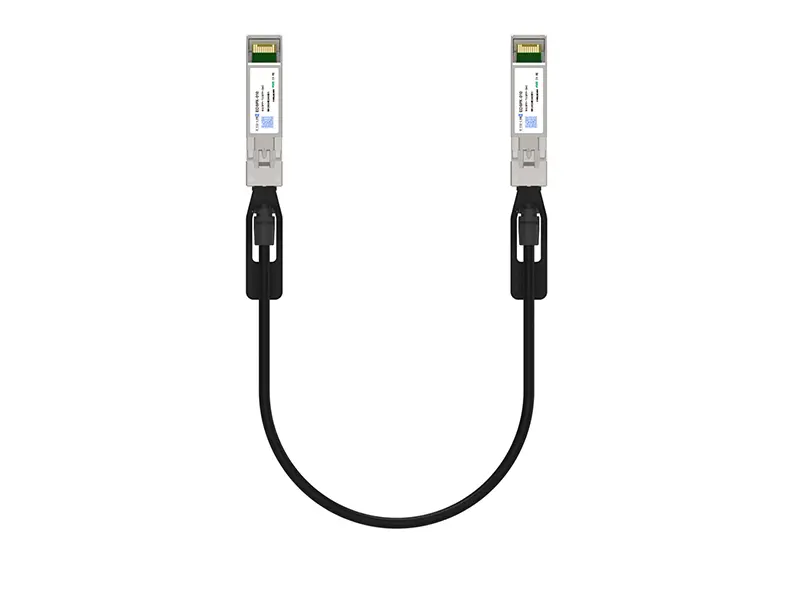 10G SFP+ DAC
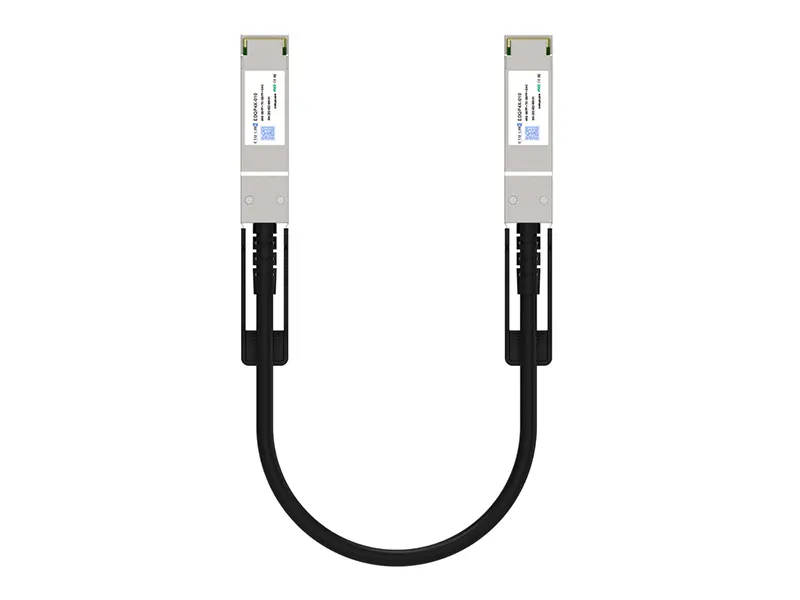 40G QSFP+ DAC
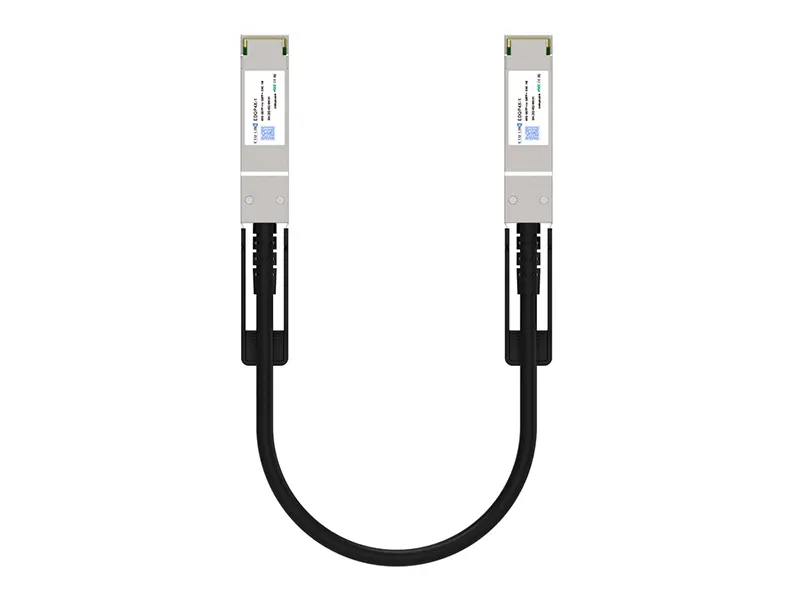 56G QSFP+ DAC
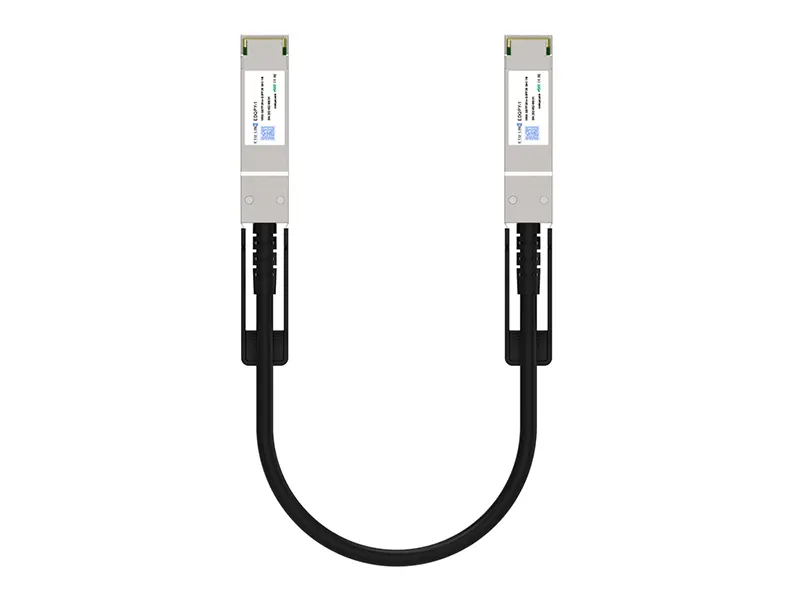 100G QSFP28 DAC
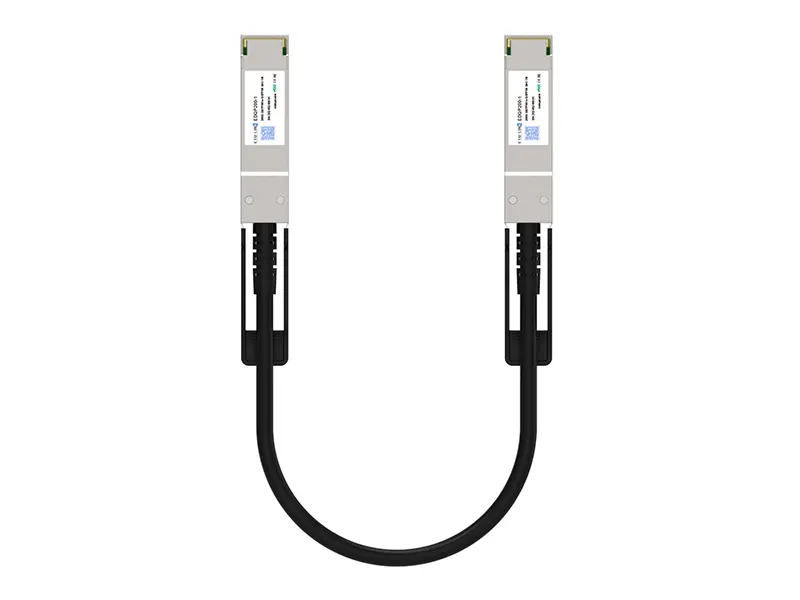 200G QSFP56 DD DAC
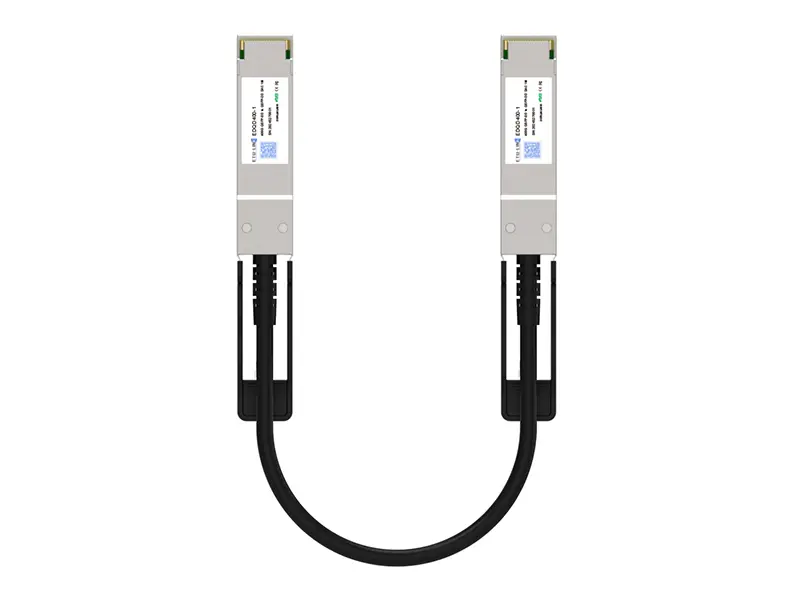 400G QSFP DD DAC
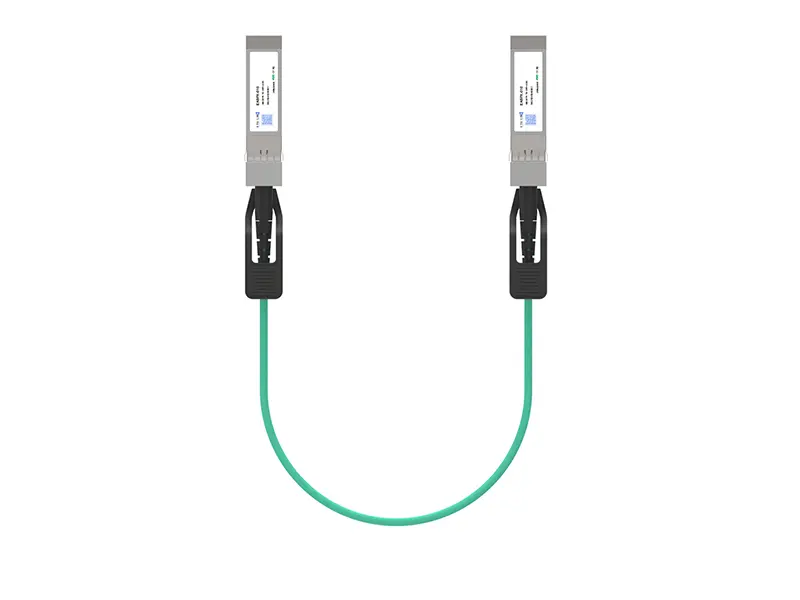 10G SFP+ AOC
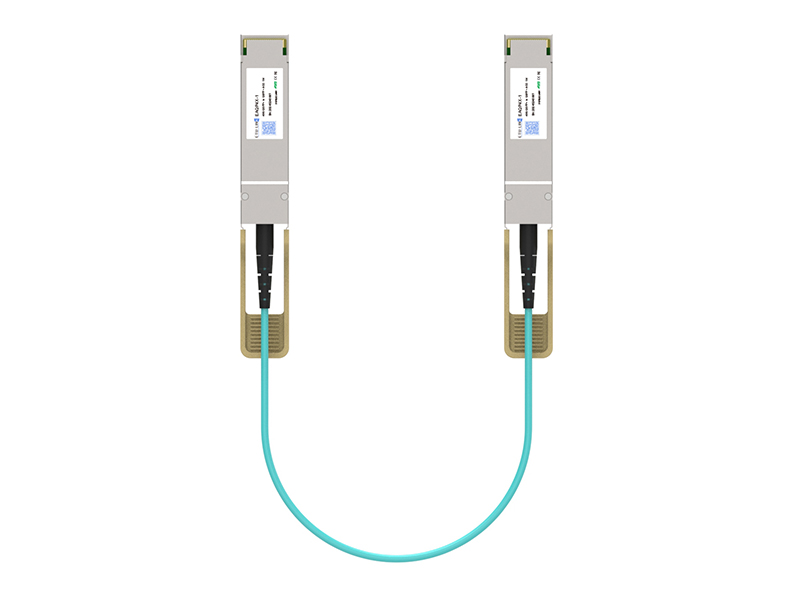 40G QSFP+ AOC
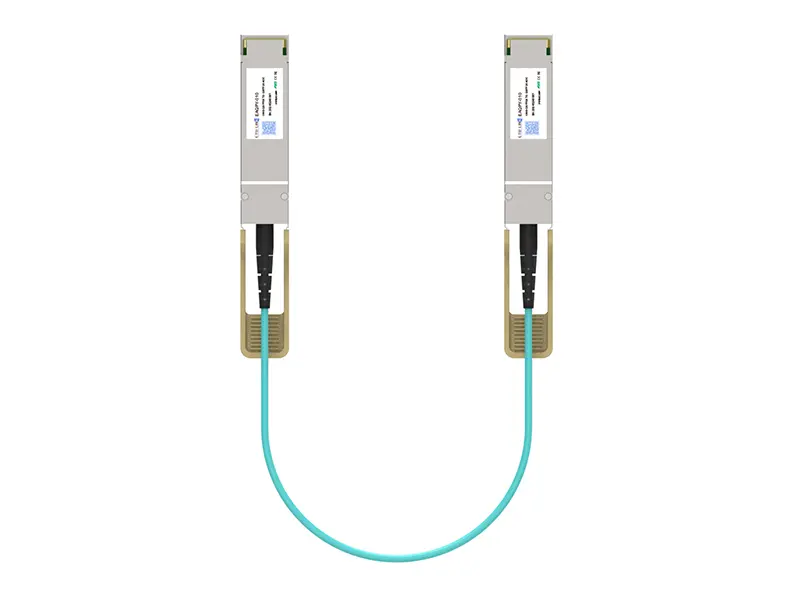 100G QSFP28 AOC
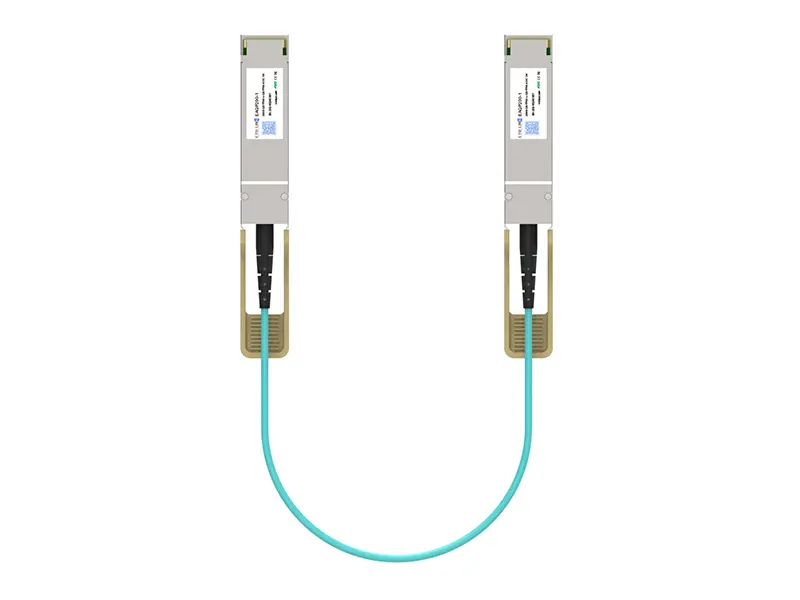 200G QSFP56 AOC
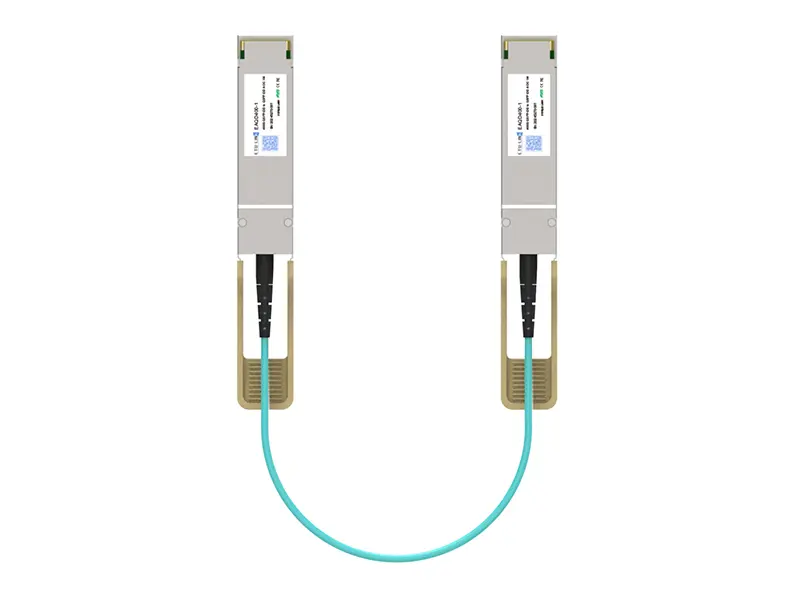 400G QSFP-DD AOC
 Adapter Details
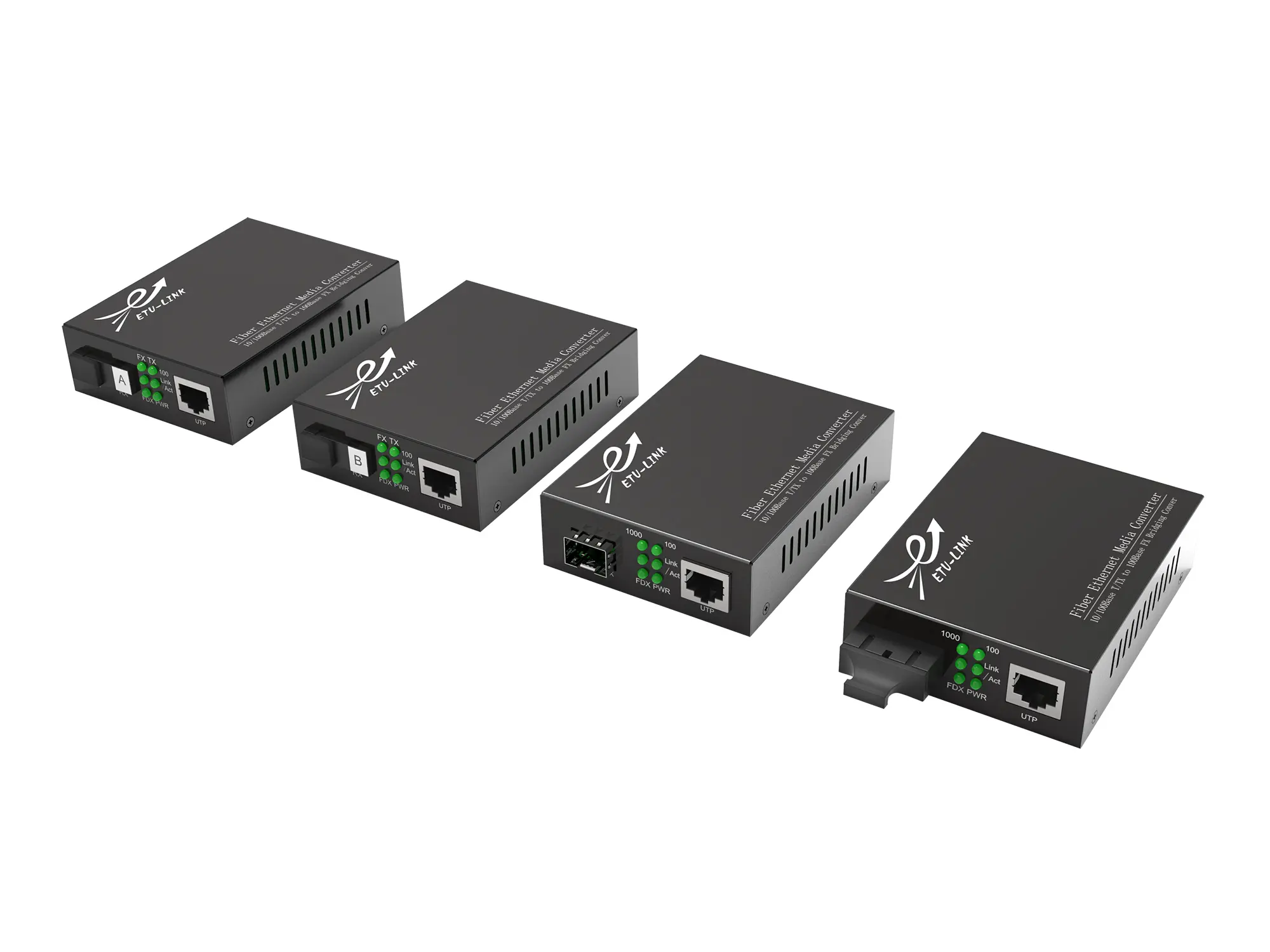 Media Converter