2026 How to Choose the Right 40G QSFP+ Active Optical Cable?
When selecting a 40G QSFP+ Active Optical Cable, several crucial factors come into play. This cable type is designed for high-speed data transfer. Yet, the market offers various options. Knowing the right criteria can make a significant difference.
A well-chosen 40G QSFP+ Active Optical Cable enhances network performance. Users often overlook specific parameters, leading to compatibility issues. Attention to factors like distance and application is vital. Every detail counts in ensuring an efficient setup.
Understanding your network’s needs is crucial. Not every cable suits every situation. Reflecting on your specific requirements helps in making informed decisions. With the right approach, the choice becomes clearer, paving the way for higher productivity and reliability.
Understanding 40G QSFP+ Active Optical Cables: A Quick Overview
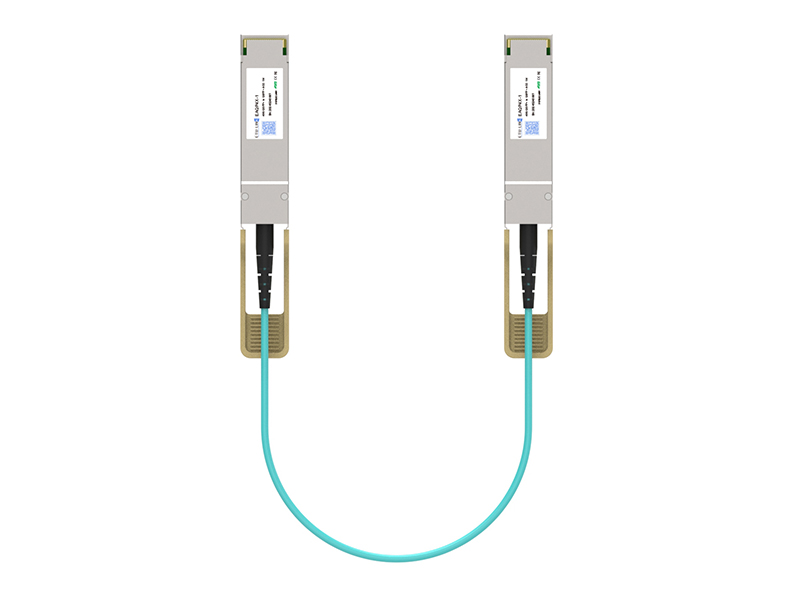
When selecting a 40G QSFP+ Active Optical Cable (AOC), it's essential to understand its key features. These cables offer high-speed data transmission over longer distances compared to traditional copper cables. They use light to send and receive signals, enabling high bandwidth and efficiency. With a typical range of up to 100 meters, AOCs are suitable for data centers and enterprise networks.
Choosing the right AOC requires careful consideration. First, assess your specific network needs. Factors include distance requirements and data transfer rates. Additionally, cable flexibility and installation environment matter. AOC’s lightweight design often makes them easier to install in tight spaces. However, they might be less durable in harsh conditions.
It's also wise to think about compatibility. While AOCs can provide stellar performance, not every network switch supports them. This discrepancy can lead to bottlenecks in network performance. Therefore, it is crucial to verify that your equipment is AOC-friendly. Taking these factors into account will help you make a more informed decision.
2026 How to Choose the Right 40G QSFP+ Active Optical Cable?
| Feature |
Description |
Recommendation Criteria |
| Cable Length |
Available in various lengths from 1m to 100m, suitable for different installation needs. |
Choose based on the distance between devices. |
| Transmission Speed |
Supports 40G data rates, ideal for high-speed network applications. |
Ensure compatibility with existing network infrastructure. |
| Connector Type |
Utilizes QSFP+ connectors for seamless connectivity. |
Match with the equipment's connectors. |
| Fiber Type |
Typically uses multimode fiber for optimal performance. |
Choose based on installation environment. |
| Durability |
Built to withstand bending and pulling without damage. |
Consider usage in high-traffic areas. |
| Cost Effectiveness |
Provides a balance between performance and price. |
Compare prices across suppliers for best deals. |
Key Factors to Consider When Choosing a 40G QSFP+ AOC
Choosing the right 40G QSFP+ Active Optical Cable (AOC) involves key considerations that impact performance and reliability. Understanding your specific needs is essential. Think about the distance your data will travel. AOCs are effective for short distances up to 100 meters. For longer distances, other solutions may be better suited.
Installation is another important factor. AOCs are lightweight and flexible, making them easier to route than traditional cables. However, ensure your infrastructure supports the cable's compatibility. Consider the environment too. AOCs can be sensitive to temperature fluctuations, which may affect performance.
Tips: Check for specifications carefully. Look for the maximum data rate and reach to avoid future issues. Also, ensure proper handling during installation to prevent wear and tear. Do not overlook the importance of connector types. Make sure they match your existing equipment.
Quality matters greatly. AOC performance can vary significantly across manufacturers. Research the reliability of the manufacturer’s product line. Some may promise high performance but can fall short in real-world applications. Keep an open mind and be ready to test options. This process may lead to better long-term choices.
Comparing Performance: Active Optical Cables vs. Other Options
When considering 40G QSFP+ Active Optical Cables, it's essential to compare them with alternative options. Active optical cables (AOCs) provide high-speed data transfer and longer reach than traditional copper cables. They are made with fiber optics, enabling lower signal degradation across distances. For environments requiring extensive cabling, AOCs are often a superior choice.
However, not every situation warrants the use of AOCs. Their cost can be a determining factor. In spaces with limited bandwidth needs, cheaper copper alternatives might suffice. AOCs also require careful handling due to their delicacy. While their performance is admirable, they can be easily damaged if not installed properly.
Ultimately, the decision hinges on specific requirements. Organizations need to weigh their network's demands against the costs involved. Balancing performance and budget is crucial. Exploring different cable types can reveal the best fit for your infrastructure and usage patterns. Every choice reflects a unique set of needs, highlighting the complexity of this decision-making process.
Evaluating Compatibility with Existing Networking Equipment
When selecting a 40G QSFP+ Active Optical Cable, compatibility with existing networking equipment is paramount. You must ensure that the cable meets the specific requirements of your hardware. Check for port configurations and supported protocols. It's crucial that the cable works seamlessly with your switches and routers. Misalignment can lead to performance issues or even total system failure.
Tips: Always verify the data rate your equipment can handle. You don’t want a cable that exceeds your system’s capabilities. Consider future-proofing your choice. Look for cables with higher specifications that may still be compatible down the line.
Another key factor is cable length. Different devices have varied maximum lengths for optimal performance. Always check the manufacturer's recommendations for distance, as exceeding this can cause signal loss. Installation can also be tricky. Ensure you can access all necessary ports before making a purchase to avoid last-minute adjustments.
Tips: Make a list of your existing equipment specifications. This will streamline the compatibility check process. Double-check any firmware updates required for optimal performance. This proactive step can save you headaches in the long run.
2026 How to Choose the Right 40G QSFP+ Active Optical Cable?
This chart evaluates various factors when selecting the right 40G QSFP+ Active Optical Cable, focusing on compatibility with existing networking equipment. The categories assessed are Signal Integrity, Distance Support, Power Consumption, and Cost Efficiency.
Cost Analysis: Budgeting for 40G QSFP+ Active Optical Cables
Budgeting for 40G QSFP+ Active Optical Cables requires careful consideration. The costs can vary widely, depending on factors like distance, installation, and ongoing maintenance. Industry reports suggest that these cables typically range from $100 to $500 each, depending on specifications. A budget analysis should include not only the purchase price but also installation and future upgrades.
Operational costs are another key component. Regular maintenance can add up over time. A study by LightCounting indicates that multi-vendor comparisons can reveal savings. On average, companies may save up to 15% by evaluating different suppliers. The potential for fiber optic degradation also needs to be factored into long-term budget planning.
Considering the rapid advancements in technology, it’s essential to account for future scalability. Investing in high-quality cables today might yield better performance and reliability tomorrow. Organizations must weigh the initial investment against long-term benefits. Balancing upfront costs with future needs can be challenging but is crucial for optimal network performance.

 400G
400G 200G
200G 100G
100G 40G
40G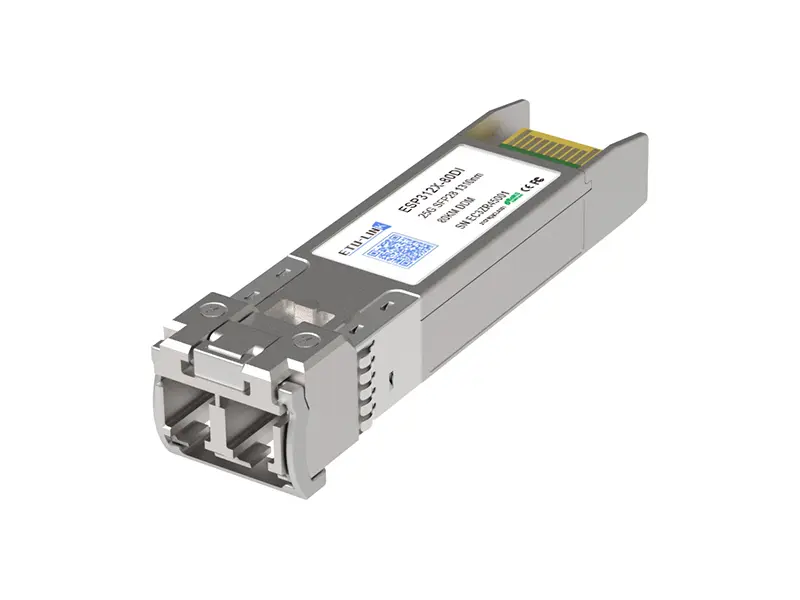 25G
25G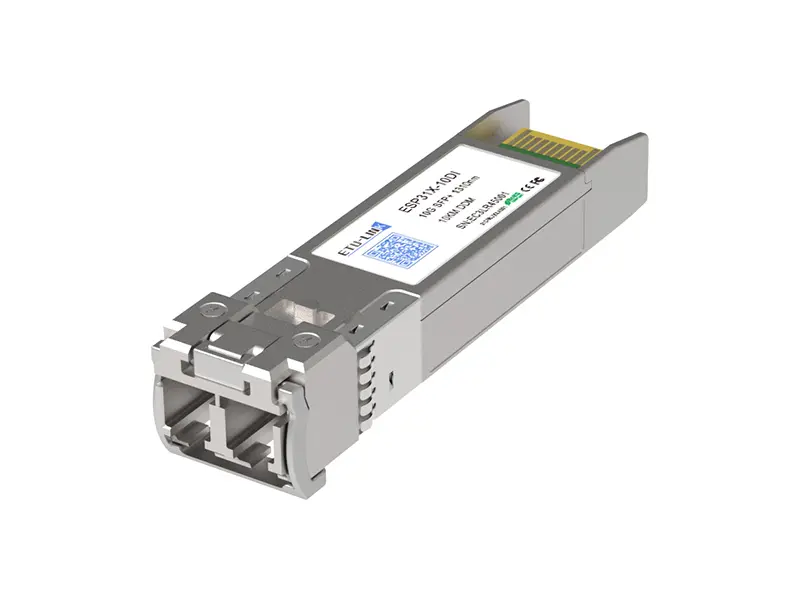 10G
10G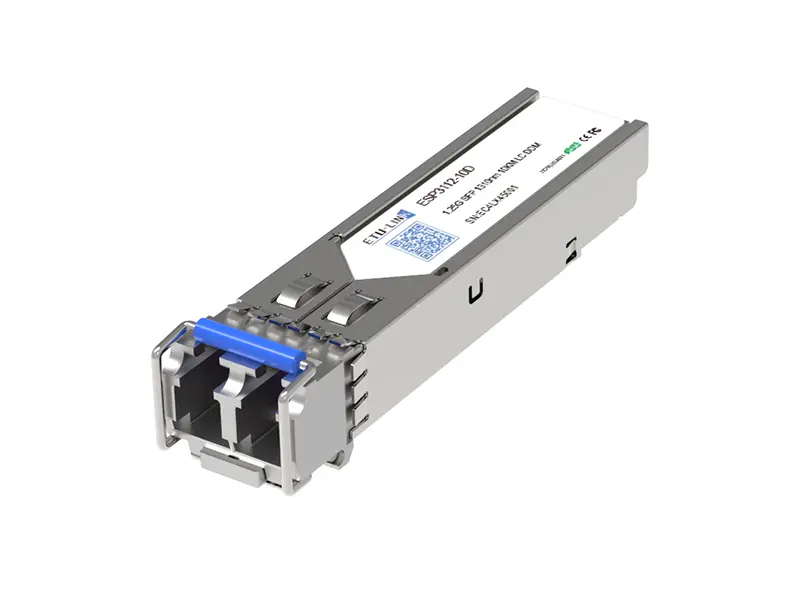 1G
1G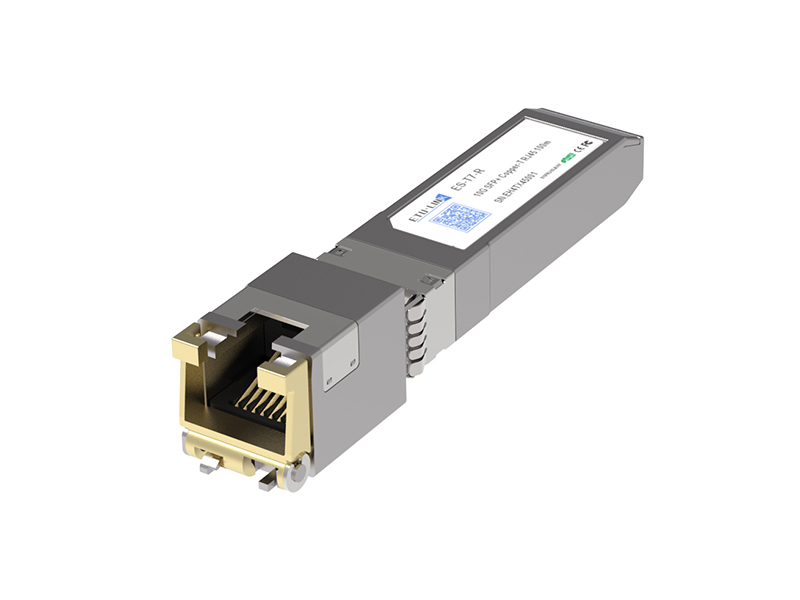 COPPER-T
 Other
Other 10G SFP+ DAC
 40G QSFP+ DAC
 56G QSFP+ DAC
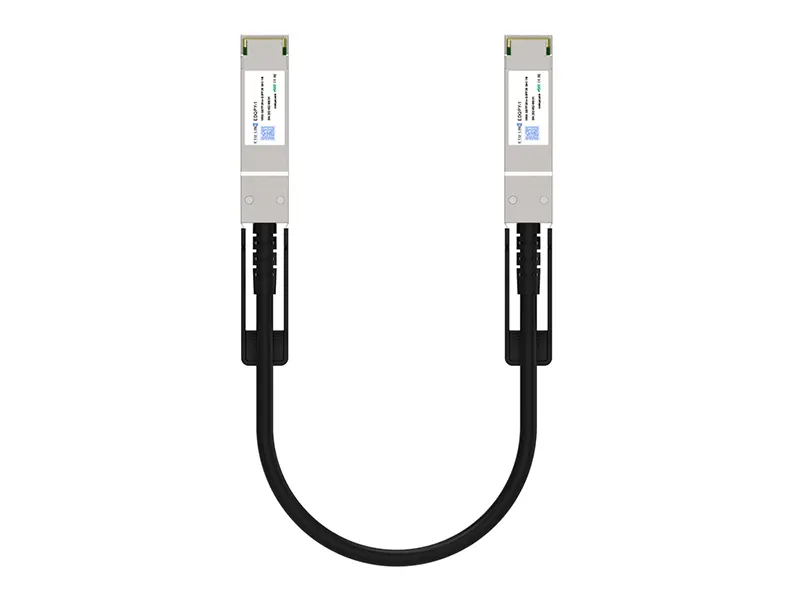 100G QSFP28 DAC
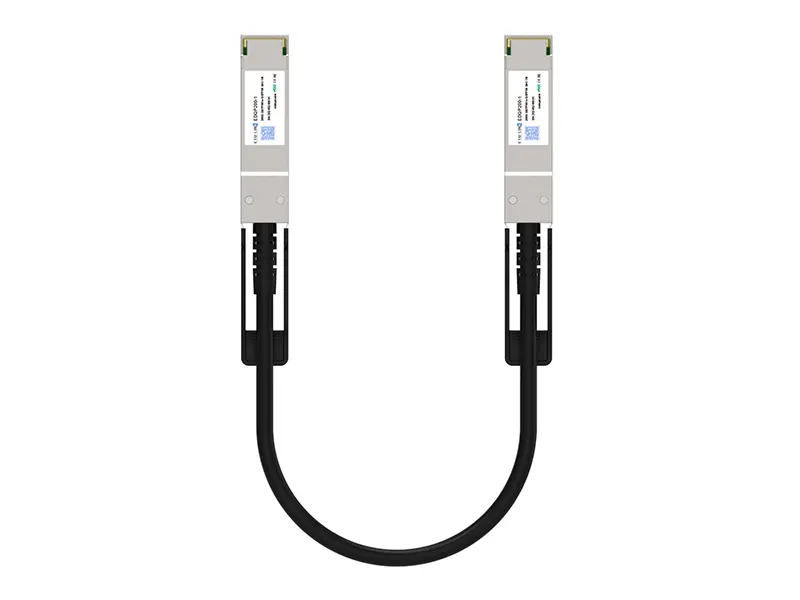 200G QSFP56 DD DAC
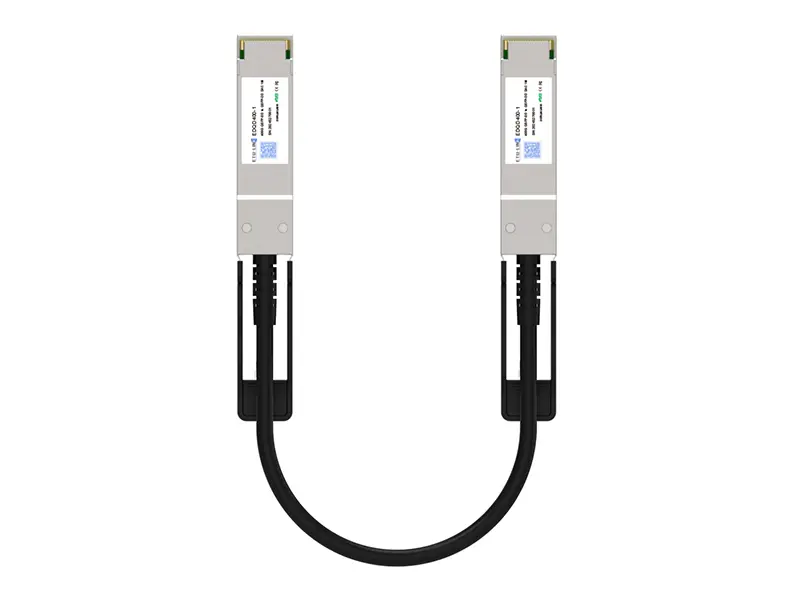 400G QSFP DD DAC
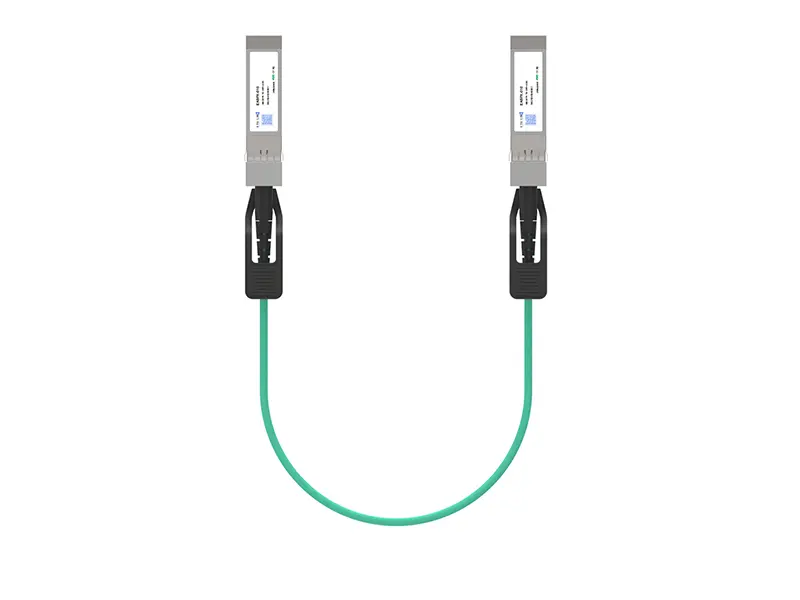 10G SFP+ AOC
 40G QSFP+ AOC
 100G QSFP28 AOC
 200G QSFP56 AOC
 400G QSFP-DD AOC
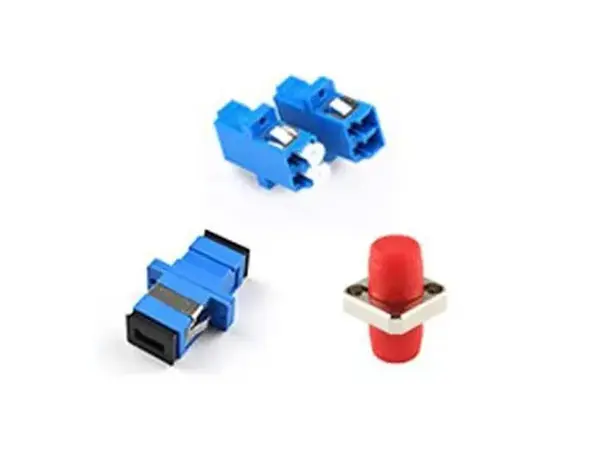 Adapter Details
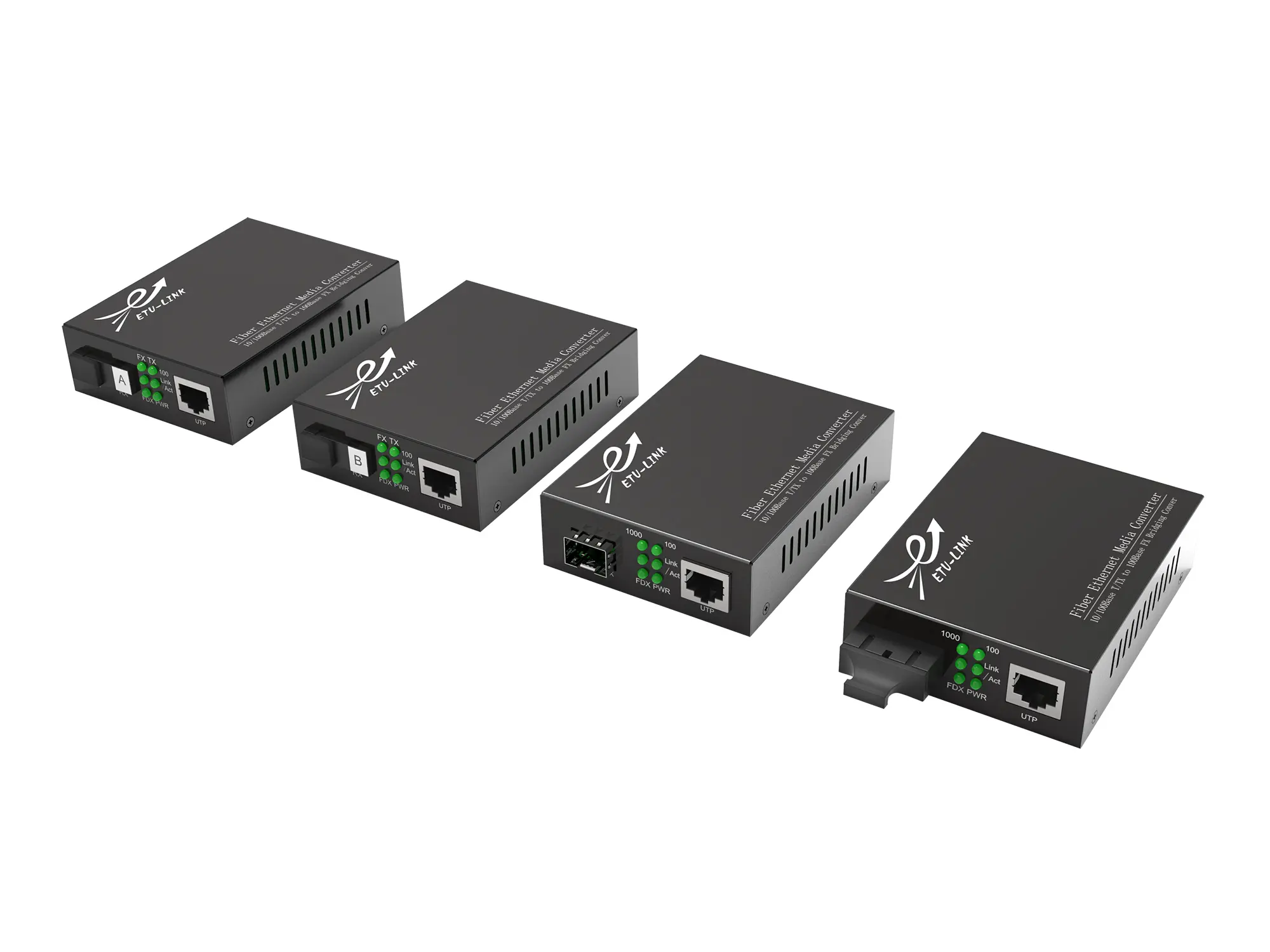 Media Converter