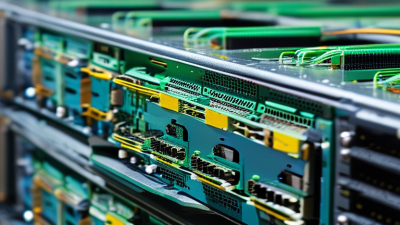
What is Cisco QSFP 100G ZR4 S and Why is it Important?
In the fast-evolving world of data communications, the Cisco QSFP 100G ZR4 S stands out as a vital component. This advanced transceiver is engineered for long-distance optical networking. It supports high-speed data transmission, which is crucial for today's bandwidth-hungry applications. Industry expert Dr. Emily Chen, a leading network technology analyst, emphasizes its significance: "The Cisco QSFP 100G ZR4 S is essential for optimizing network performance in modern infrastructures."
This small yet powerful device enables enterprises to enhance their connectivity. With a reach of up to 80 kilometers over single-mode fiber, the Cisco QSFP 100G ZR4 S addresses the challenges of distance in data transfer. Network reliability is paramount, and using this transceiver can greatly improve data integrity and speed.
However, the rapid pace of technology can create challenges. Many organizations may find it difficult to keep up with advancements. As networks become more complex, understanding components like the Cisco QSFP 100G ZR4 S becomes critical. Embracing these changes is not just beneficial; it is necessary for staying competitive in a demanding market.

What is Cisco QSFP 100G ZR4 S?
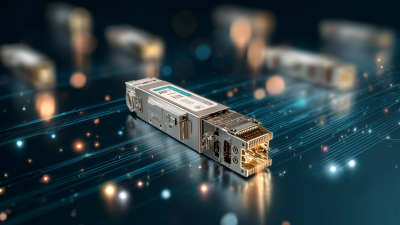
The Cisco QSFP 100G ZR4 S is a high-speed optical transceiver used primarily in data centers and networking environments. This device supports 100 Gigabit Ethernet connections over distances of up to 80 kilometers. Utilizing wavelength division multiplexing technology, it enables high data transfer rates while maintaining low latency. The compact form factor of QSFP (Quad Small Form-factor Pluggable) allows for efficient space utilization in networking equipment.
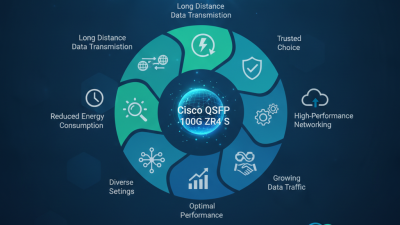
Understanding the importance of this module requires a look at modern networking needs. With the growth of data traffic, organizations demand reliable and fast connections. The QSFP 100G ZR4 S is designed to meet these demands efficiently. Its ability to connect different locations seamlessly opens new possibilities for businesses. However, like any technology, it comes with challenges. Deployment might require thorough planning and integration with existing systems. Ensuring compatibility can be a complex process, often needing expert input.
In the fast-paced world of network technology, staying ahead is crucial. The QSFP 100G ZR4 S plays an essential role in this evolution. As high bandwidth applications become more common, understanding its specifications and capabilities is vital. Companies must weigh the benefits against potential integration hurdles. This balance is what drives innovation and shapes the future of digital communication.
Key Features of Cisco QSFP 100G ZR4 S Transceivers
Cisco QSFP 100G ZR4 S transceivers are crucial for high-speed data transmission. They enable 100 Gigabit Ethernet connections over long distances. This technology is essential for data centers and enterprise networks. With a reach of up to 80 kilometers, these transceivers ensure reliable data flow.
Key features include small form factor and high bandwidth capabilities. The QSFP design allows for multiple data lanes, enhancing performance. Users can enjoy lower latency and optimized signal integrity. These transceivers often switch between different modes, adapting to various network needs.
However, integrating them into existing infrastructures can be challenging. Compatibility issues might arise with older systems. Regular updates and assessments of the hardware are necessary. Proper planning and knowledge are vital for seamless deployment. In the fast-evolving tech landscape, understanding these components is essential for modern networking.
Applications of Cisco QSFP 100G ZR4 S in Networking
The Cisco QSFP 100G ZR4 S module plays a significant role in modern networking environments. This high-speed optical transceiver enables 100G connections over long distances, reaching up to 80 kilometers. The growing demand for bandwidth, driven by cloud computing and big data, makes such devices essential.
In large-scale data centers, this technology helps in efficient data transmission. Recent industry reports indicate a 25% annual growth in high-speed data transmission needs. This technology supports applications where latency and reliability are critical, such as video streaming and real-time analytics. Yet, challenges remain. Network architects must consider factors like signal degradation over distances or installation costs.
Another vital application is in metropolitan area networks (MANs). The 100G ZR4 S module can interconnect multiple locations seamlessly. However, maintaining compatibility with existing infrastructure poses a challenge. Upgrading legacy systems to accommodate newer technologies requires careful planning. Experts recommend a phased approach to transitions, highlighting the ongoing need for adaptability in network design.
Benefits of Using Cisco QSFP 100G ZR4 S for High-Speed Connectivity
The Cisco QSFP 100G ZR4 S module plays a crucial role in modern data communication. It supports high-speed connectivity over long distances without sacrificing quality. This module uses advanced technology to transmit data at impressive speeds of up to 100 Gbps. The significance of this functionality is clear, especially for enterprises handling vast amounts of data.
One key benefit of using the QSFP 100G ZR4 S is its efficiency. It enables seamless integration into existing infrastructure. Users can upgrade their networks without a complete overhaul. This adaptability reduces costs and time spent on implementing new solutions. High data rates lead to better performance in activities such as video streaming and large file transfers.
Tips: Regularly monitor performance metrics. This helps in identifying potential bottlenecks. Make adjustments to optimize the setup. Consider future scalability when planning your network design. Upgrading firmware and software periodically can enhance module performance and increase security.
Choosing the right module is challenging. Companies may feel overwhelmed by choices. Assessing specific needs is essential before making a decision. Focus on the application, distance requirements, and potential future growth. Balancing these factors ensures the best investment in high-speed connectivity.
What is Cisco QSFP 100G ZR4 S and Why is it Important? - Benefits of Using Cisco QSFP 100G ZR4 S for High-Speed Connectivity
| Feature |
Description |
Benefits |
| Data Rate |
Supports 100 Gbps data transmission |
High data rate for seamless high-speed connectivity |
| Distance Coverage |
Up to 80 km with optical fiber |
Suitable for long-distance data center connections |
| Form Factor |
Quad Small Form-factor Pluggable (QSFP) |
Compact design for efficient space utilization in network equipment |
| Wavelength |
C-Band wavelengths |
Optimized for high-performance and long-distance applications |
| Protocol Support |
Compatible with Ethernet, OTN, and Fibre Channel |
Flexible use across various types of networks |
| Reliability |
Designed for longevity and stable performance |
Reduces downtime and maintenance costs |
Importance of Cisco QSFP 100G ZR4 S in Modern Data Centers
In modern data centers, the Cisco QSFP 100G ZR4 S module plays a critical role in increasing bandwidth and enhancing networking capabilities. This technology allows for high-speed data transmission over long distances, making it a preferred choice for enterprises undergoing digital transformation. Reports indicate that data traffic is projected to grow by 26% annually through 2025, underscoring the need for advanced solutions like the QSFP 100G ZR4 S.
Adopting this module can boost a data center's operational efficiency by reducing latency and energy consumption. The QSFP 100G ZR4 S can transmit data up to 80 kilometers, making it suitable for widespread applications, from cloud computing to large-scale enterprise networks. As organizations seek to optimize their infrastructure, these capabilities become increasingly crucial.
Tip: Regularly monitor network performance metrics to understand the impact of upgraded modules. Adjustments may be necessary based on specific bandwidth requirements. Remember, it's not just about speed; reliability must be ensured as well. Another consideration is to analyze the return on investment—balancing performance with cost-effectiveness can lead to substantial long-term gains.

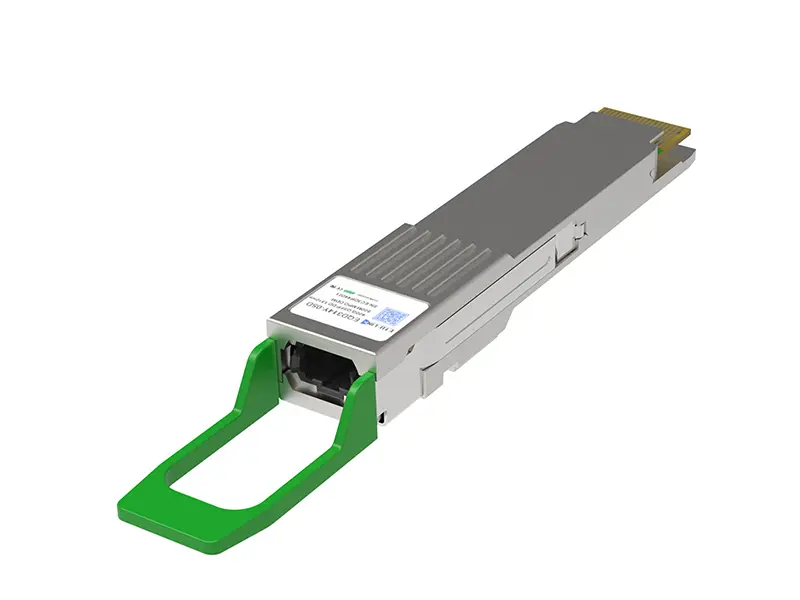 400G
400G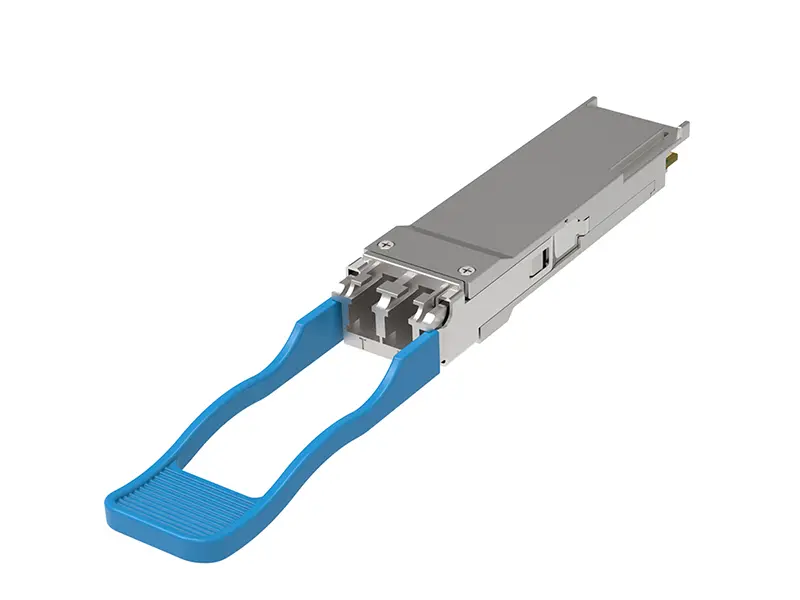 200G
200G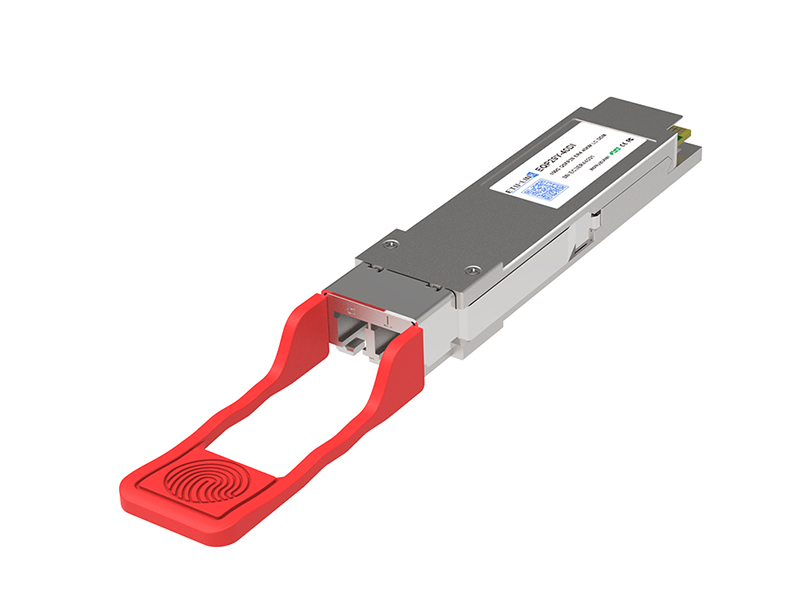 100G
100G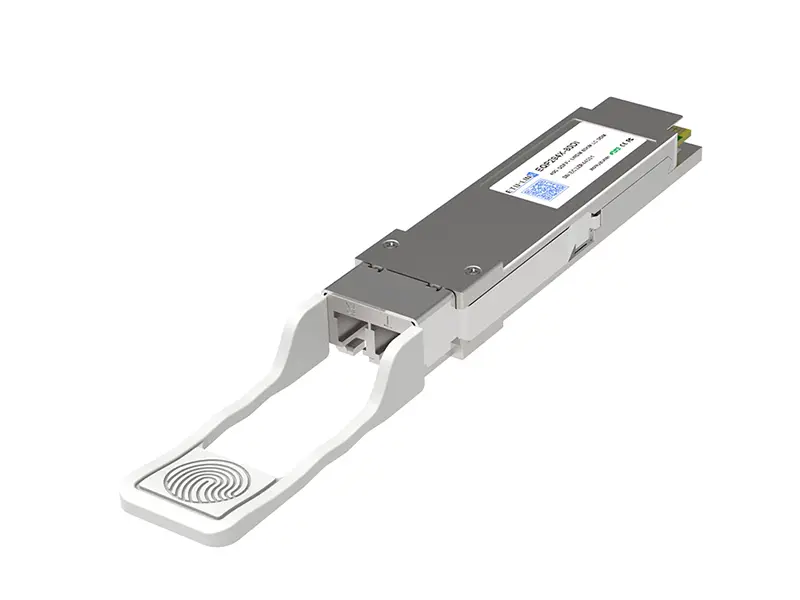 40G
40G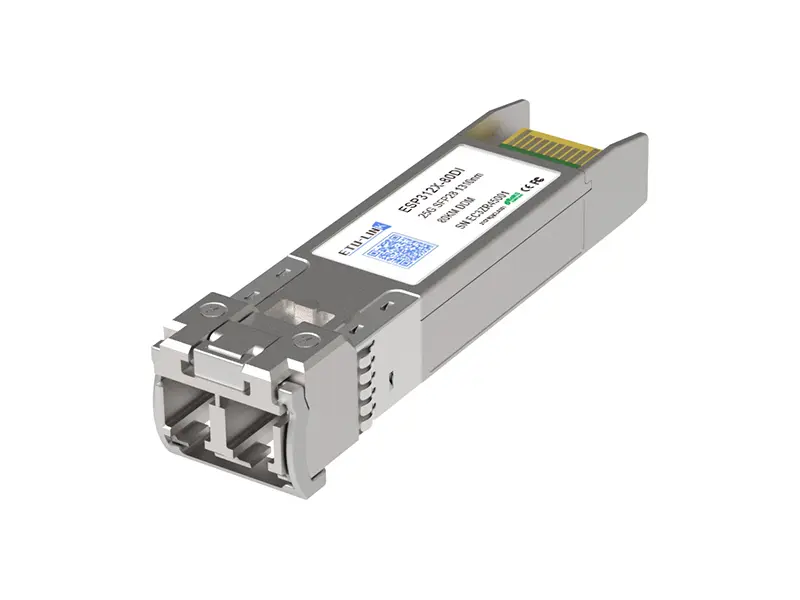 25G
25G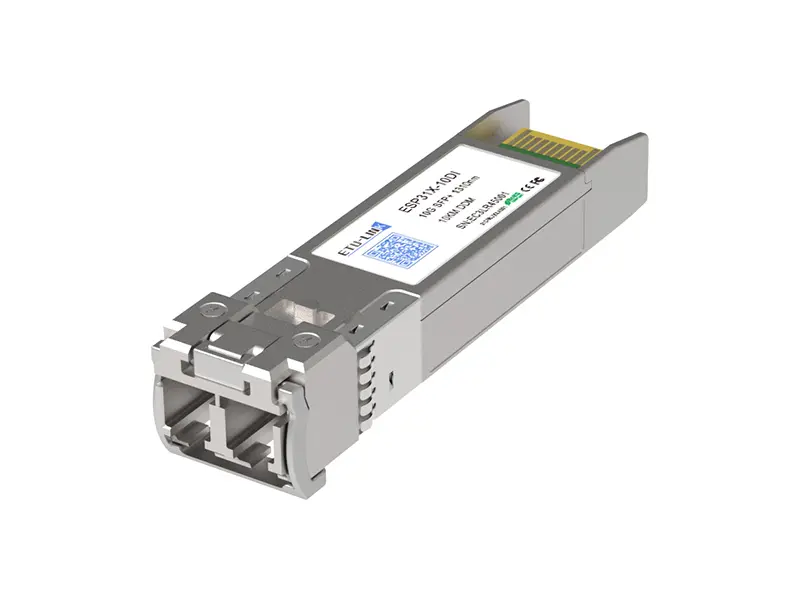 10G
10G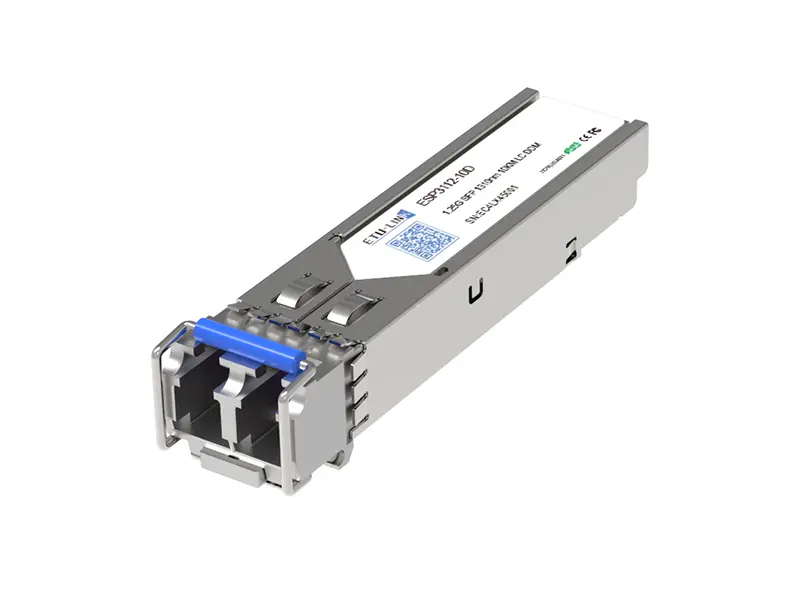 1G
1G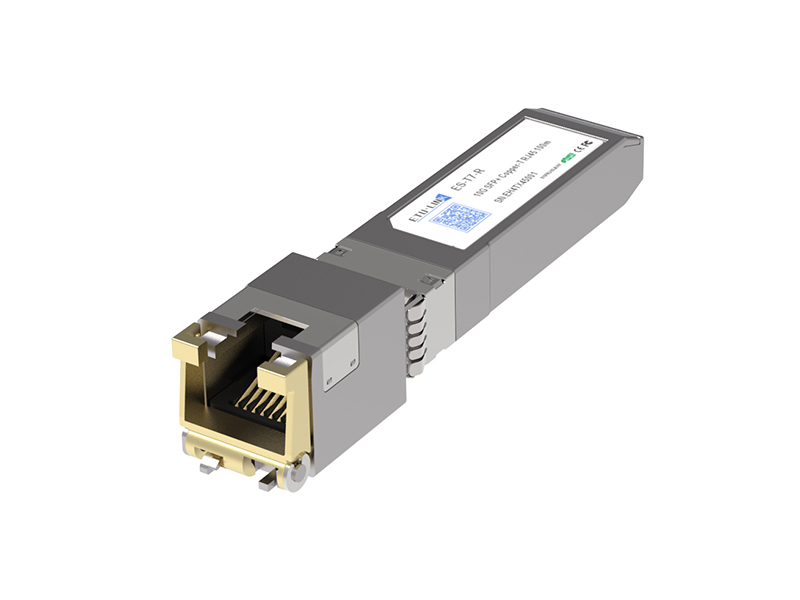 COPPER-T
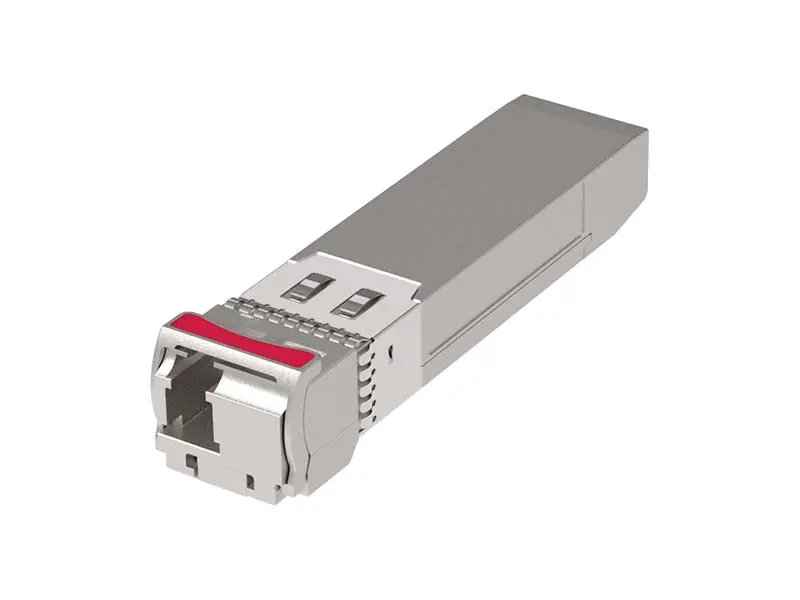 Other
Other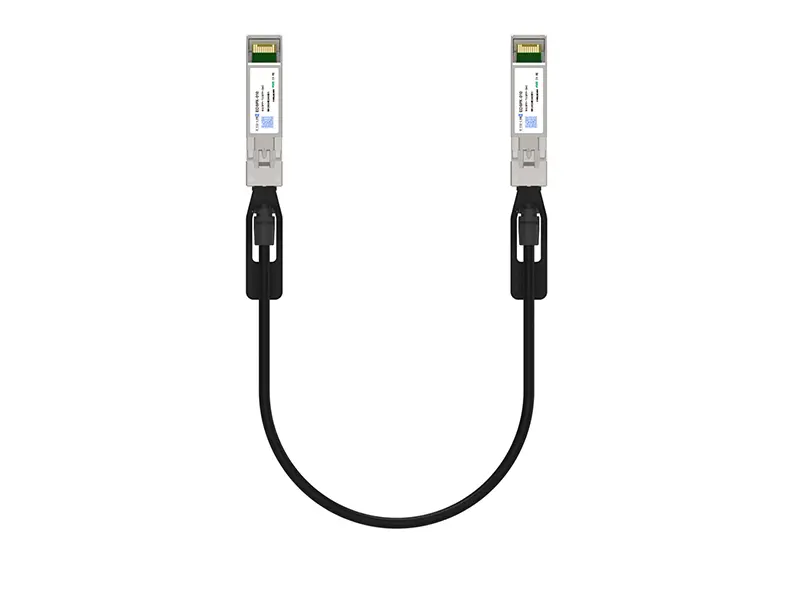 10G SFP+ DAC
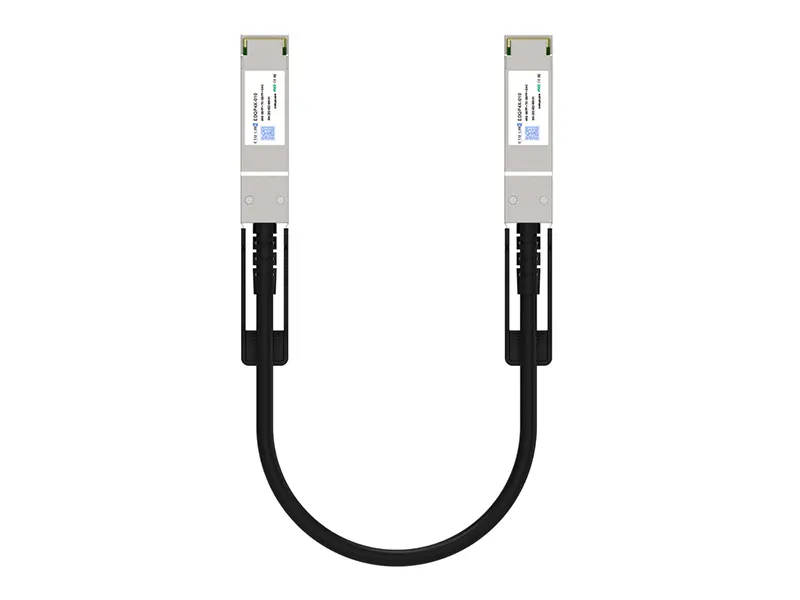 40G QSFP+ DAC
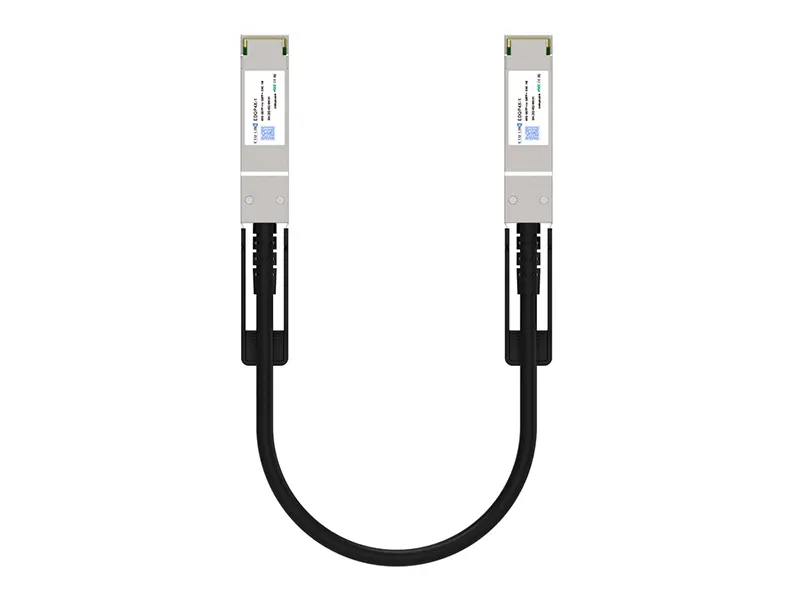 56G QSFP+ DAC
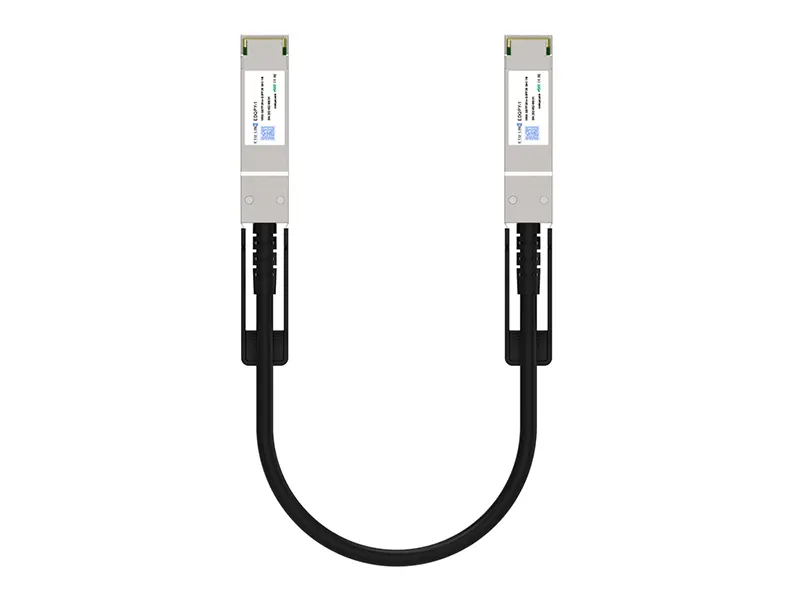 100G QSFP28 DAC
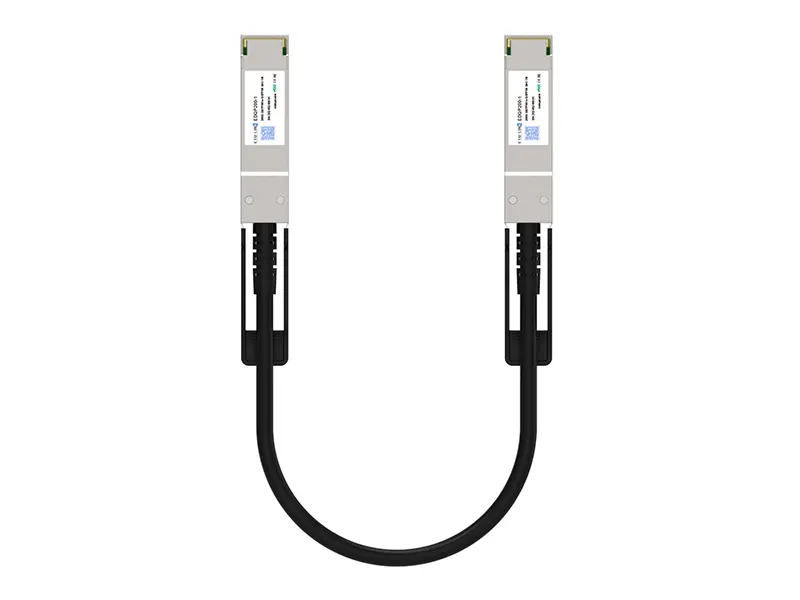 200G QSFP56 DD DAC
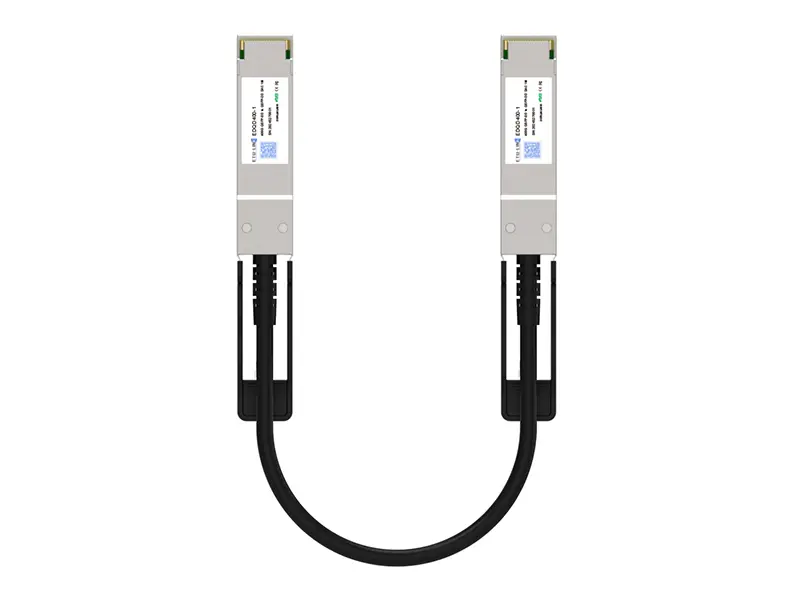 400G QSFP DD DAC
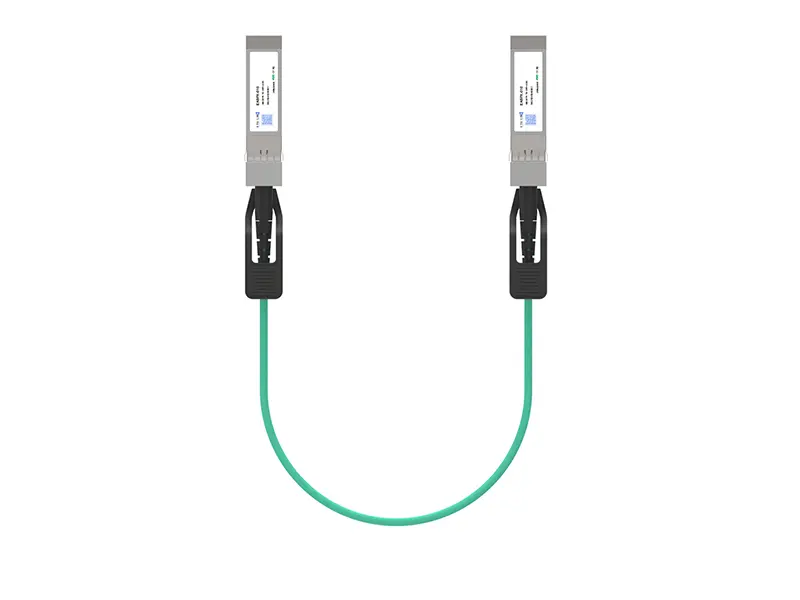 10G SFP+ AOC
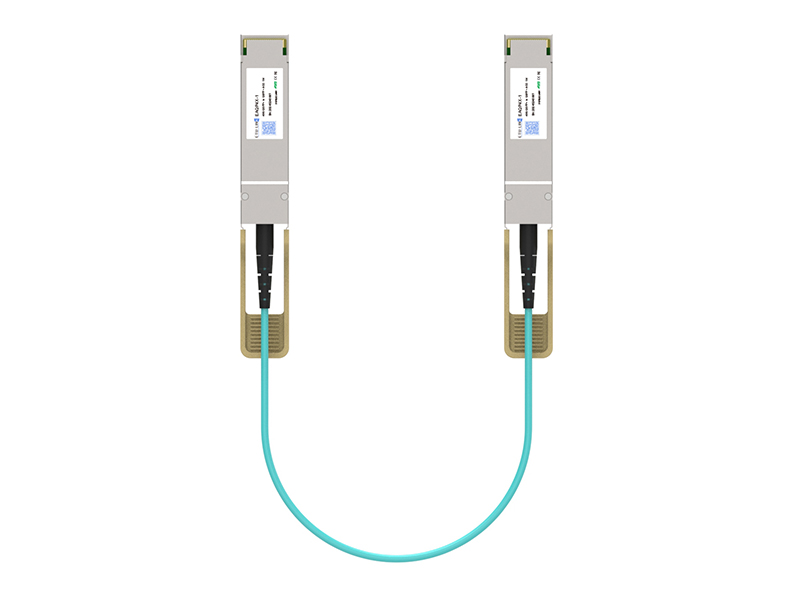 40G QSFP+ AOC
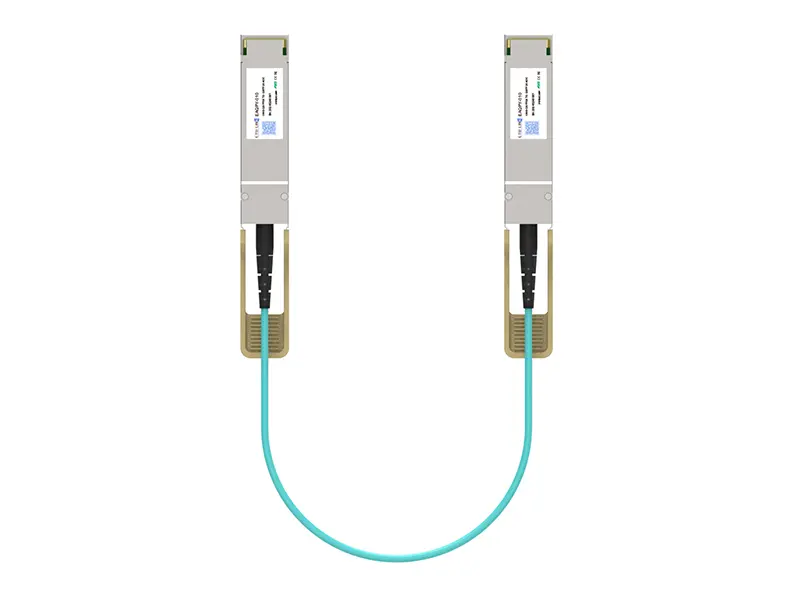 100G QSFP28 AOC
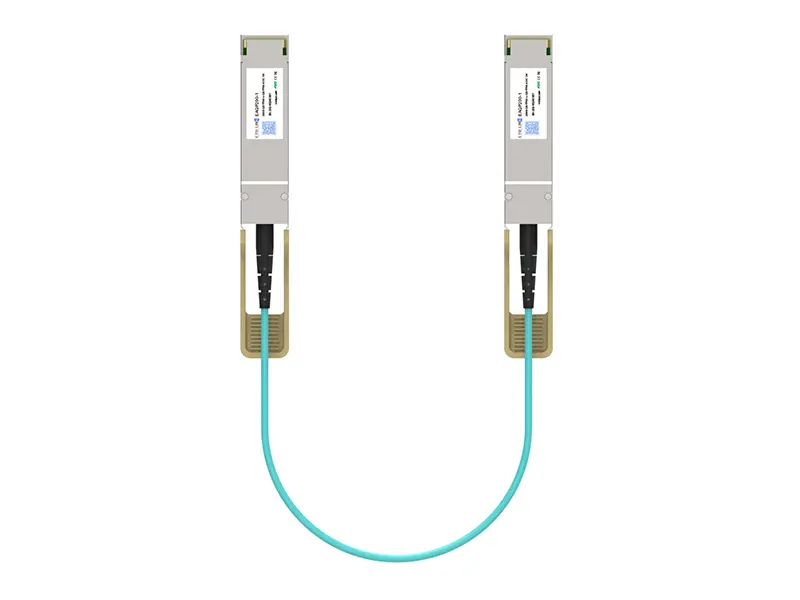 200G QSFP56 AOC
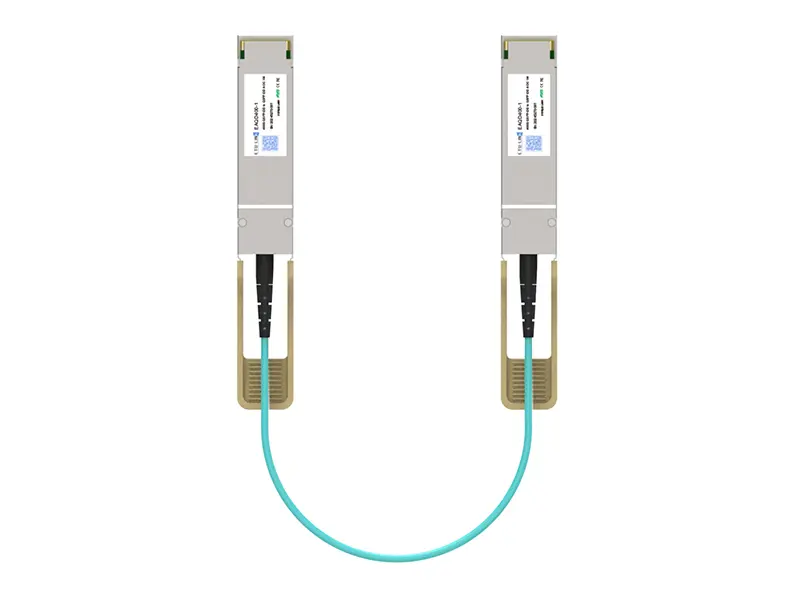 400G QSFP-DD AOC
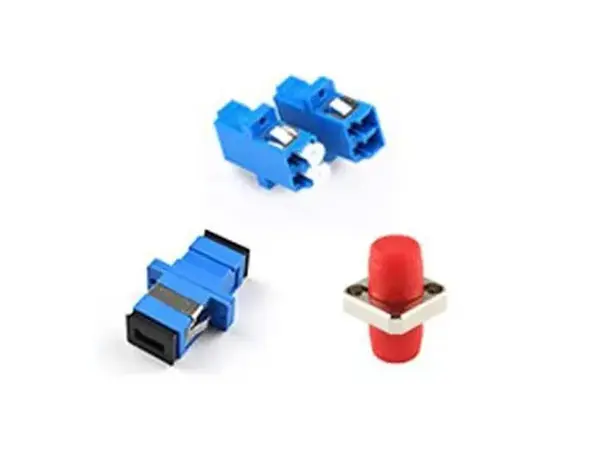 Adapter Details
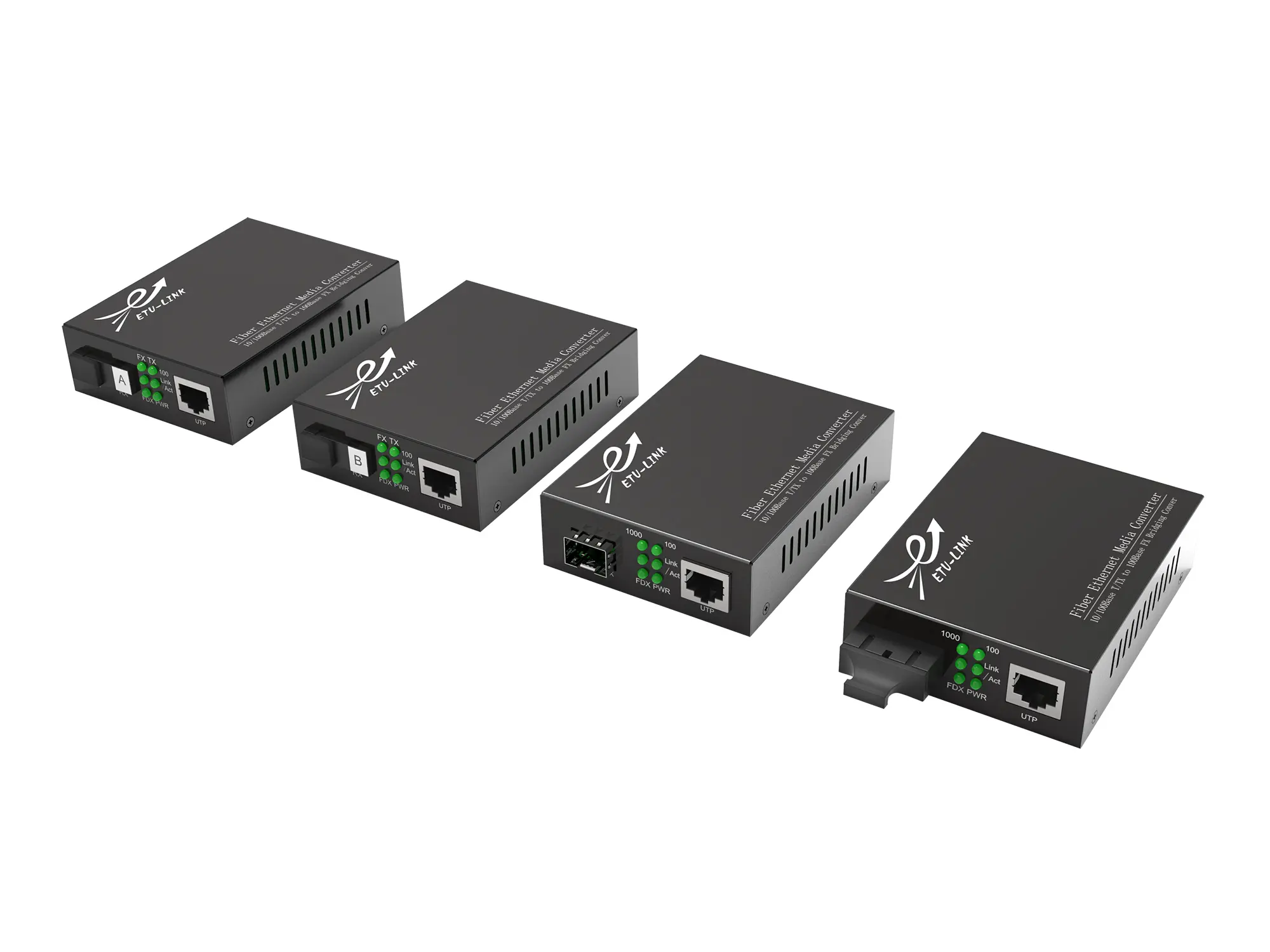 Media Converter