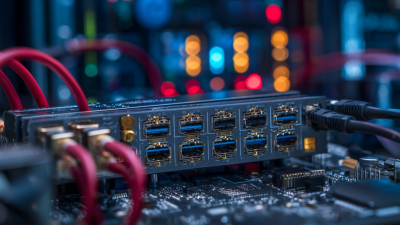
Top 10 Reasons to Choose Cisco QSFP 100G ZR4 S for Your Network?
In today’s fast-paced digital landscape, network performance is paramount. Choosing the right equipment can significantly impact your infrastructure. The Cisco QSFP 100G ZR4 S is a powerful option that merits consideration. This advanced optical transceiver offers remarkable capabilities. It enhances speed, efficiency, and overall network reliability.
With the growing demand for high-speed data transfer, Cisco QSFP 100G ZR4 S stands out as a leading choice. It supports 100G Ethernet over long distances. Its compact form factor simplifies installation and management. Many businesses struggle to select the right technology for their needs. This is where Cisco's reputation comes into play. Their products are known for quality and durability.
Implementing the Cisco QSFP 100G ZR4 S can be a game changer. However, it’s not without challenges, such as integration with existing systems. Overall, understanding the benefits can lead to better decisions. The pursuit of a robust network infrastructure is ongoing. Choosing wisely shapes the future of connectivity for countless organizations.
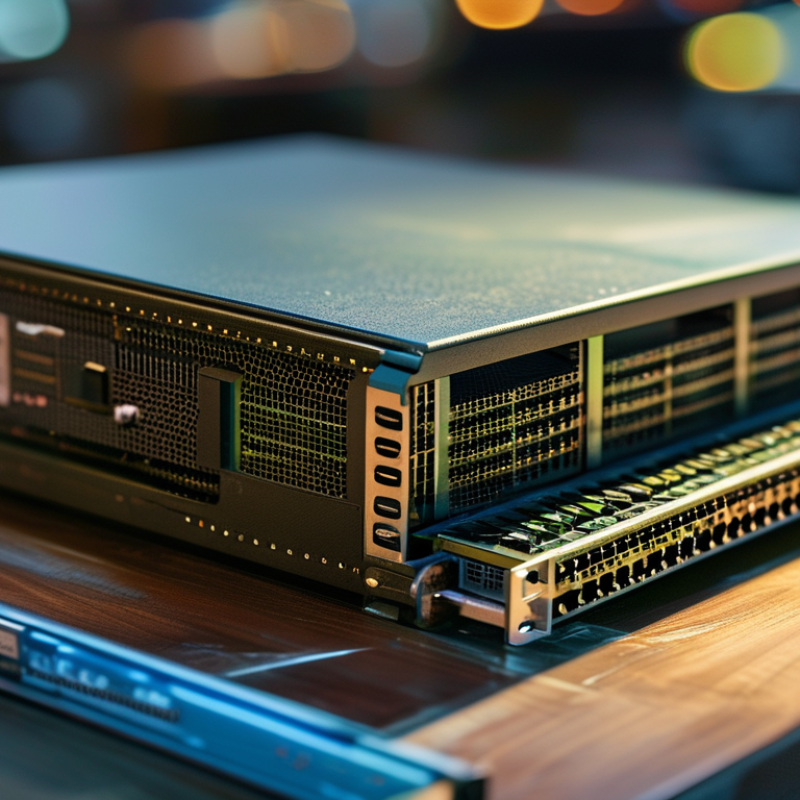
Key Features of Cisco QSFP 100G ZR4 S in Modern Networking
The Cisco QSFP 100G ZR4 S module offers essential features that enhance modern networking. With a data transfer rate of 100 Gbps, it supports high-speed data exchange over long distances, reaching up to 80 kilometers. This capability makes it ideal for data centers and enterprise networks requiring robust connectivity. The module operates at a wavelength of 1530–1565 nm, which optimally balances speed and distance, ensuring efficient performance.
Innovative design is a hallmark of this module. Its compact form factor allows for space-saving arrangements in crowded server racks. Moreover, it supports multi-rate functionality, which enables flexibility in various network configurations. According to industry reports, adopting high-speed optical interconnects can lead to a 30% reduction in latency, significantly improving user experience in bandwidth-intensive applications.
Consider the environment when deploying this technology. Compatibility with existing infrastructure is crucial. Investigate whether your current networking equipment can support these advanced modules. Reflect on your specific needs to avoid over-specifying capabilities that may not be utilized.
Investing in these modules, while initially more expensive, often results in lower total cost of ownership over time. They provide reliable performance, assuring minimal downtimes and efficient data handling. Keep an eye on evolving standards to ensure your network remains competitive.
Comparative Analysis of QSFP 100G ZR4 S vs. Other 100G Transceivers
When comparing the QSFP 100G ZR4 S with other 100G transceivers, several key factors come into play. First, the QSFP 100G ZR4 S stands out for its impressive reach. With a maximum reach of up to 80 km over single-mode fiber, it offers significant flexibility for different network topologies. In contrast, many other transceivers struggle to maintain performance at greater distances. The choice of transceiver can drastically impact network efficiency and performance.
Another important aspect is the power consumption of the QSFP 100G ZR4 S. It typically operates at about 3.5 watts, which is lower compared to similar products. This can save costs in energy and cool down systems in large data centers. According to industry reports, more efficient transceivers can lead to operational savings of up to 30% in large-scale deployments.
In making a choice, consider future scalability. The QSFP 100G ZR4 S allows for easy upgrades as demands increase. Select equipment that not only meets current needs but aligns with your long-term strategy. Monitor technology trends for new developments to ensure your infrastructure remains competitive. Always factor in compatibility with existing systems to avoid potential integration issues, which can be costly and time-consuming.
Performance Comparison of 100G Transceivers
Performance Metrics: Bandwidth, Latency, and Range of QSFP 100G ZR4 S
When considering high-performance networking solutions, the QSFP 100G ZR4 S offers impressive metrics. With a bandwidth of 100 Gbps, this module can support heavy data loads seamlessly. It operates over 80 kilometers using standard optical fiber, making it ideal for long-range data transmission. This capacity ensures organizations can manage increasing data demands effectively.
Latency is another critical factor in network performance. The QSFP 100G ZR4 S maintains low latency levels, facilitating real-time data communication. This is particularly beneficial for applications requiring quick response times. However, achieving optimal performance depends on the overall network configuration and environment. Organizations should evaluate their existing infrastructure to maximize the benefits of this module.
Durability is also an essential aspect. The QSFP 100G ZR4 S is designed for reliability, but harsh conditions may affect its lifespan. Regular assessments should be conducted to ensure consistent performance. User experience can vary widely based on deployment scenarios. Hence, it's crucial to continually monitor and adjust settings as required. Balancing performance and reliability can lead to satisfactory results if approached thoughtfully.
Top 10 Reasons to Choose QSFP 100G ZR4 S for Your Network
| Reason |
Bandwidth |
Latency |
Range |
| High Data Throughput |
100 Gbps |
Low Latency |
80 km |
| Cost-Effective Solution |
Multi-channel Support |
<1 ms |
75 km |
| Scalable |
Expandable up to 400 Gbps |
Consistent Performance |
70 km |
| Reliability |
Full-duplex Communication |
Ultra-low |
60 km |
| Easy Integration |
Compatible with Existing Systems |
Fast Response Times |
50 km |
| Enhanced Security |
High Encryption Options |
Minimal Jitter |
40 km |
| Future-proof Technology |
Adaptable for Future Standards |
Stable Performance |
30 km |
| Support for Large Data Centers |
High Density |
Lower Latency |
20 km |
| Versatile Application |
Compatible with Various Protocols |
Reduced Delay |
10 km |
| Technical Support |
24/7 Customer Service |
Quick Resolution |
5 km |
Cost Efficiency: Long-Term Savings with Cisco's QSFP 100G ZR4 S
When it comes to building a robust network, cost efficiency is paramount. The Cisco QSFP 100G ZR4 S module is designed to offer long-term savings for organizations. Recent industry reports indicate that companies can save as much as 30% on operational costs when transitioning to higher capacity modules like the ZR4 S. This cost reduction becomes even more significant when considering the escalating demands for bandwidth in today’s digital landscape.
The QSFP 100G ZR4 S is armed with advanced technology, offering significant power efficiency. Studies show that power consumption drops by up to 25% compared to older modules. These savings translate directly into lower electricity bills, providing a vital edge in cost management. Additionally, the longevity of these modules minimizes replacement cycles, ensuring stable investments over time.
However, it's important to acknowledge potential risks. The initial investment can be higher than traditional options. Organizations must weigh the upfront costs against potential savings. Not every company may see immediate returns. Understanding specific needs and future growth is crucial. A thorough evaluation can guide decisions about upgrading network infrastructure efficiently and effectively.
Industry Adoption Rates and Use Cases for QSFP 100G ZR4 S Solutions
The adoption of QSFP 100G ZR4 S solutions is gaining traction across various sectors. Data from industry analysts indicate that the global market for optical transceivers is projected to reach $10.32 billion by 2026. This growth is driven by the demand for high-speed data transmission in data centers and telecom networks. Companies are leaning toward 100G solutions to enhance bandwidth and reduce latency in their services.
Numerous real-world scenarios highlight the effectiveness of 100G ZR4 S implementations. For example, cloud service providers are utilizing these transceivers to support massive data transfer requirements. Many of these providers report an increase in data throughput by up to 60%. Telecommunications firms are also integrating these technologies to optimize network performance. This shift allows them to meet growing consumer demands and allows for smoother traffic management.
However, despite its advantages, integrating 100G solutions is not without challenges. Organizations often face compatibility issues with existing infrastructure. Moreover, the initial investment can be significant. These factors require careful consideration. Data shows that over 30% of companies experience delays in deployment due to technical hurdles. Each organization's unique situation must be assessed to ensure successful integration.

 400G
400G 200G
200G 100G
100G 40G
40G 25G
25G 10G
10G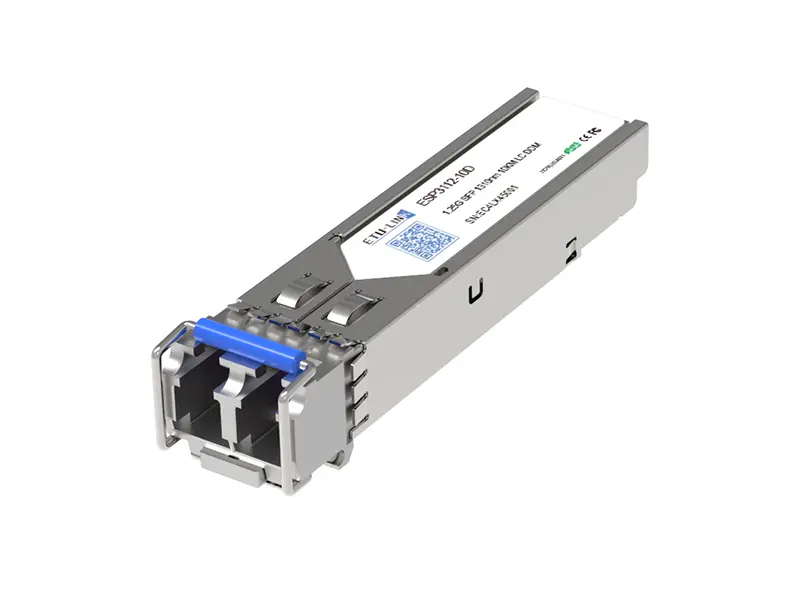 1G
1G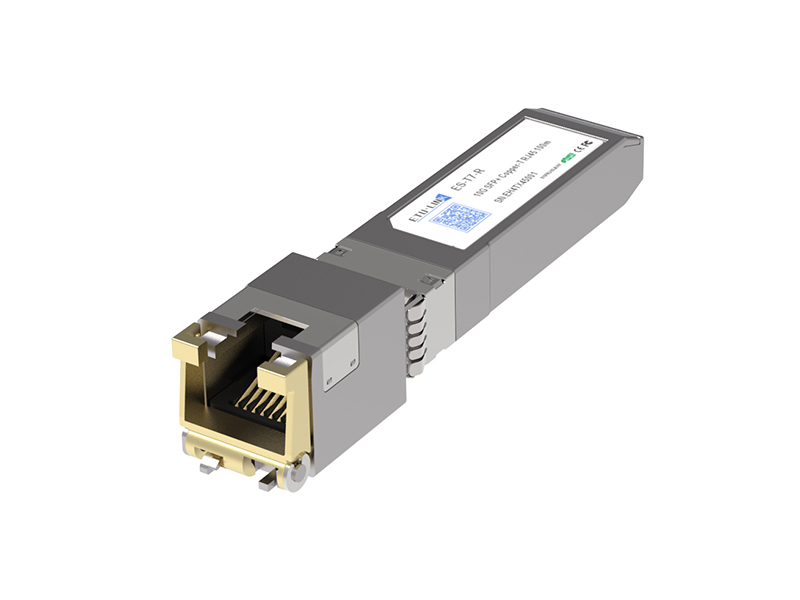 COPPER-T
 Other
Other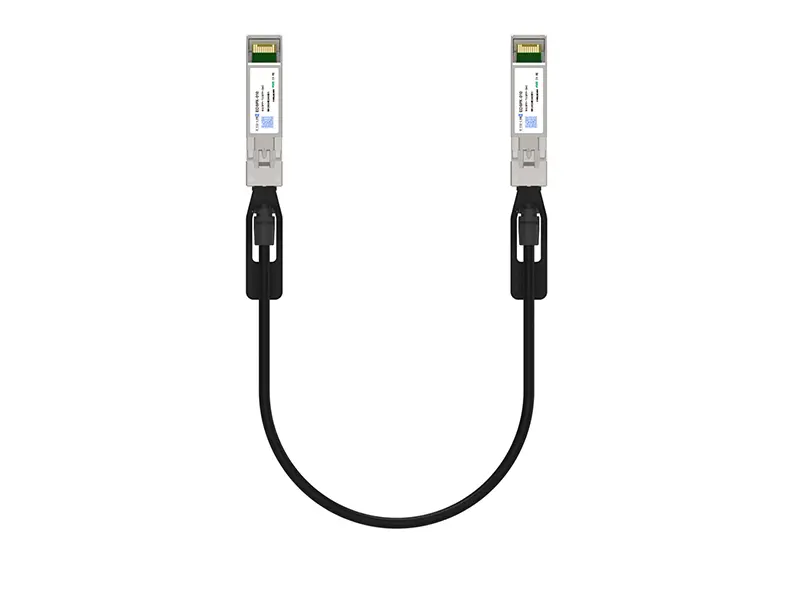 10G SFP+ DAC
 40G QSFP+ DAC
 56G QSFP+ DAC
 100G QSFP28 DAC
 200G QSFP56 DD DAC
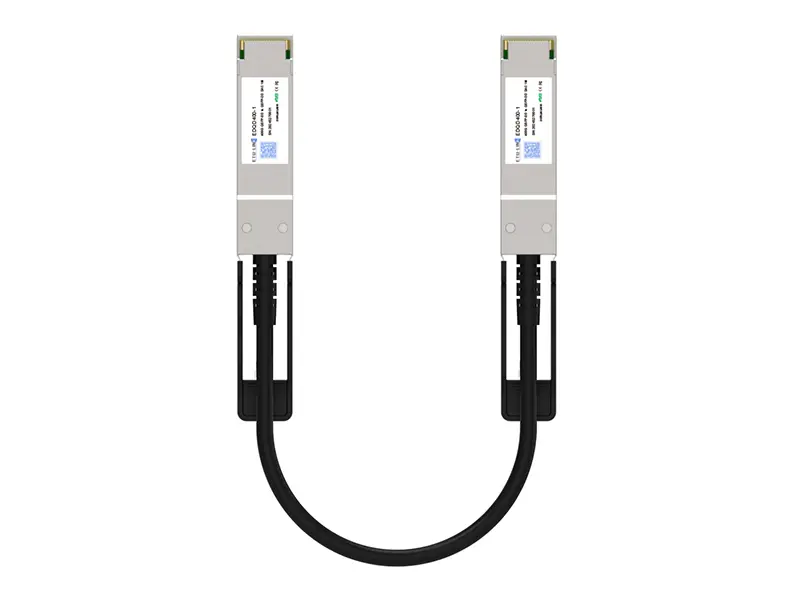 400G QSFP DD DAC
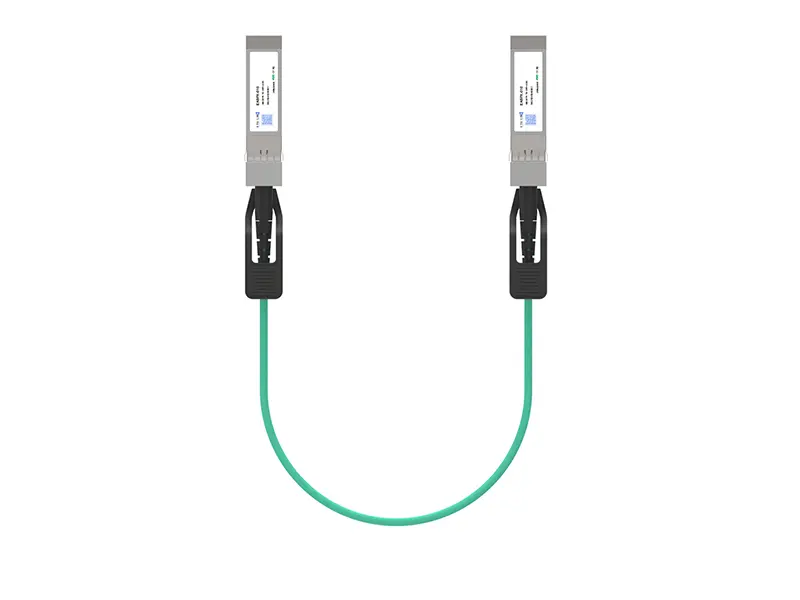 10G SFP+ AOC
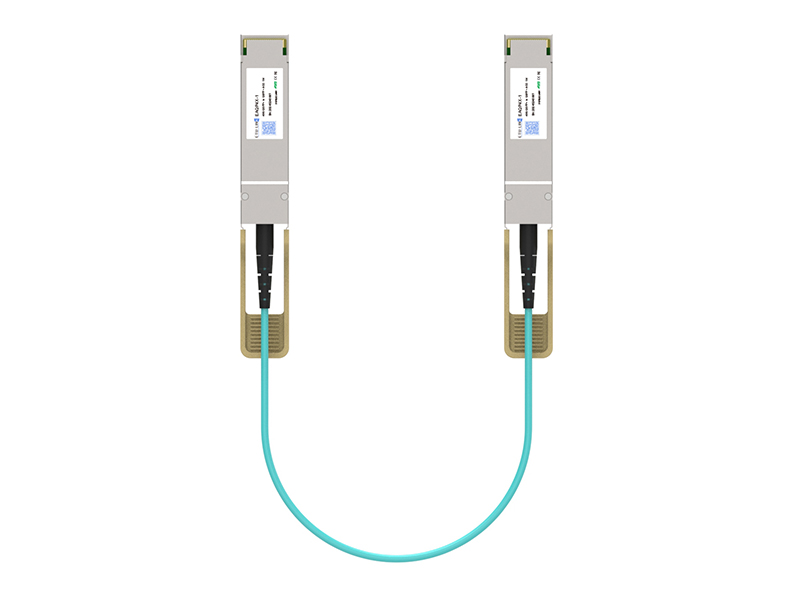 40G QSFP+ AOC
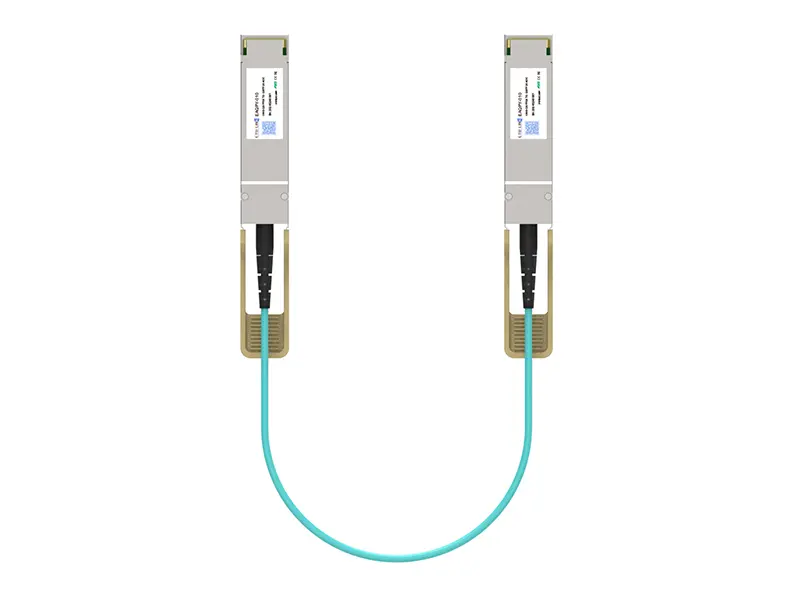 100G QSFP28 AOC
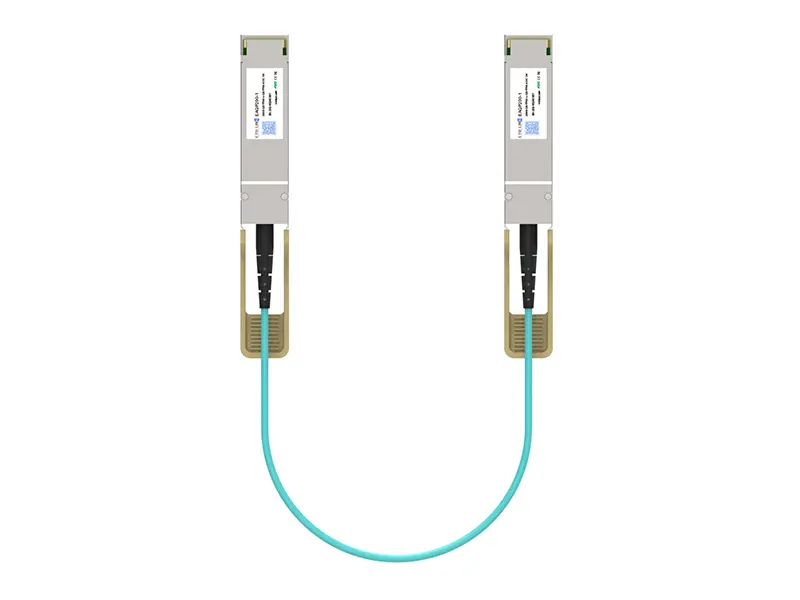 200G QSFP56 AOC
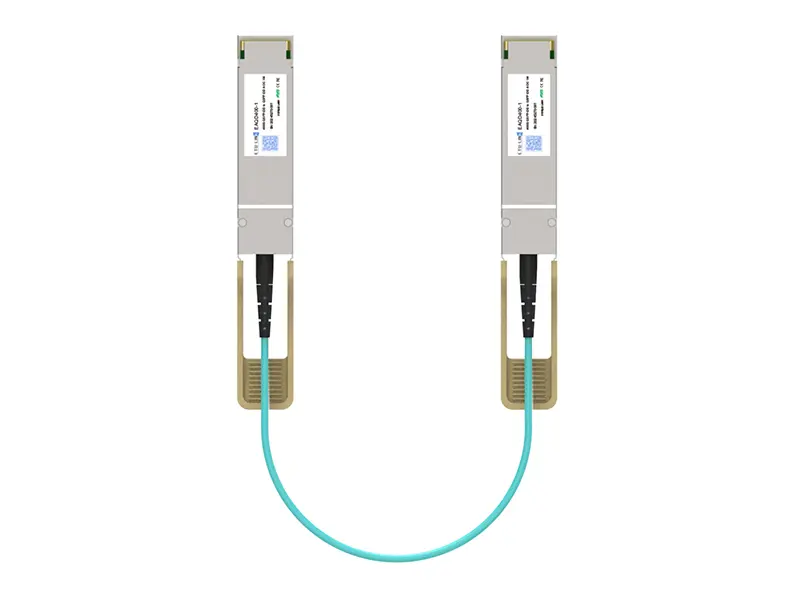 400G QSFP-DD AOC
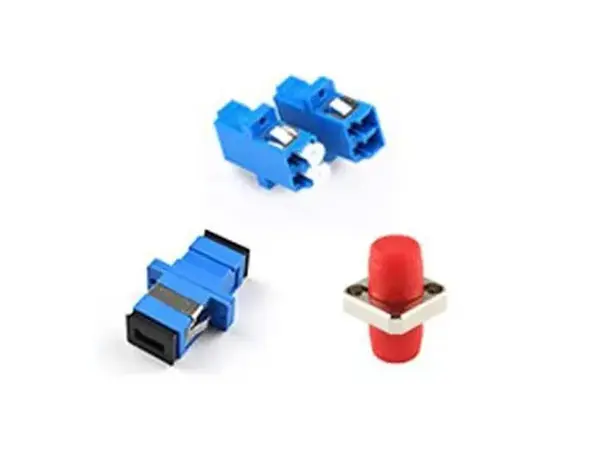 Adapter Details
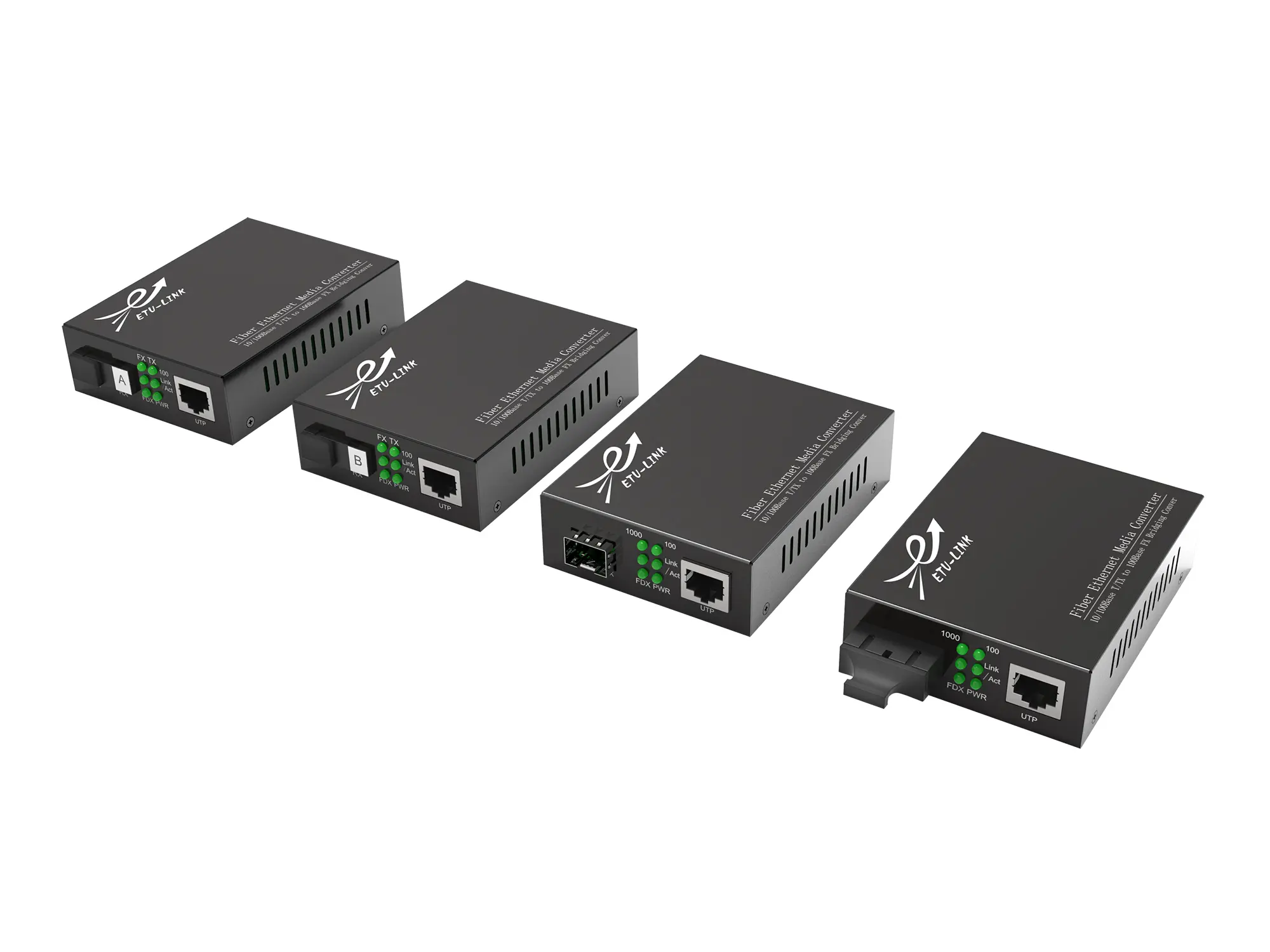 Media Converter