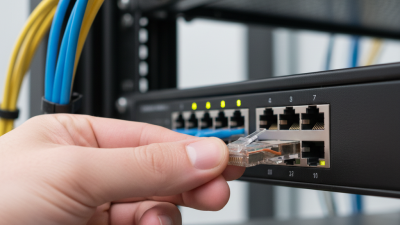
Essential Tips for Choosing the Right Copper RJ45 Connectors?
Choosing the right Copper RJ45 connectors can significantly impact your networking experience. Proper connectors are essential for reliable data transmission and connectivity. Copper RJ45 connectors are widely used in Ethernet networks due to their durability and efficiency.
When selecting these connectors, various factors come into play. Misjudging specifications can lead to performance issues. Understanding gauge sizes, contact types, and cable compatibility is crucial. Each detail matters, as the wrong choice may cause network failures.
Furthermore, sourcing quality products is vital. Not all manufacturers guarantee reliability. Researching reputable brands ensures better performance and longevity. Investing time in understanding your options can prevent future frustrations. Getting it right is worth the effort.
Understanding the Basics of Copper RJ45 Connectors
Understanding Copper RJ45 connectors is essential for building reliable networking systems. These connectors are critical in enabling data transmission over Ethernet cables. A report by the Institute of Electrical and Electronics Engineers (IEEE) indicates that over 80% of network failures are linked to poorly chosen or faulty connectors. This emphasizes the importance of selecting the right type.
When shopping for Copper RJ45 connectors, keep a few tips in mind. Look for connectors that conform to the TIA/EIA-568 standards, ensuring compatibility and enhanced performance. It is also crucial to consider the category of the connector, such as Cat5e, Cat6, or Cat6a, to meet your data speed requirements. Proper shielding is another key feature; unshielded connectors can lead to crosstalk, which may impair signal quality.
Avoid connectors made from low-quality materials. They may save costs initially but can create long-term issues. Additionally, not all connectors are created equal. Some may seem suitable on paper yet fail in practice. Always test your connections in real-world scenarios. Remember, reliability in networking stems from the smallest components. Investing effort in choosing the right connectors pays off in the long run.
Identifying Different Types of Copper RJ45 Connectors
When choosing copper RJ45 connectors, recognizing the different types is crucial. There are several types, including shielded and unshielded connectors. Unshielded connectors are common for standard networking needs. They work well for most home and office environments. In contrast, shielded connectors provide extra protection against interference. This is essential in high-density wiring areas.
Another aspect to consider is the connector's construction. Some connectors feature a more robust design, ensuring durability. This matters when connectors are frequently plugged and unplugged. If not constructed well, connectors may lose performance over time. Look for reliable materials, such as gold-plated contacts, to enhance efficiency and reduce oxidation.
The choice of connector impacts overall network performance. However, it is common to overlook quality for price. Skimping on this can lead to connection problems later. Always weigh the initial savings against potential long-term costs. A poor connection might seem acceptable until data transfer slows down unexpectedly. Investing in high-quality connectors typically pays off in the end. It's sometimes hard to recognize the value until a network issue arises.
Evaluating Performance Specifications and Standards
When selecting copper RJ45 connectors, understanding performance specifications is crucial. Look for connectors that meet standards such as TIA/EIA-568 for performance reliability. These standards ensure that your connectors support gigabit speeds. Check for minimum insertion loss and return loss specifications. Insertion loss measures how much signal is lost as it travels through. Lower values indicate better performance.
Consider the material quality as well. Copper connectors tend to provide superior conductivity compared to alternatives. Whether it's the plating or the design, choose connectors that promise durability under various conditions. Poor quality can lead to frequent failures and annoying troubleshooting.
Compatibility with your network devices is another vital element. Ensure that the connectors suit your current gear and future upgrades. Neglecting this can lead to unexpected bottlenecks. Reflect on your network's demands regularly. Performance needs can change as your setup grows. Adapting to these changes requires connectors that can keep pace with your evolving requirements.
Factors to Consider When Selecting RJ45 Connectors
Choosing the right copper RJ45 connectors is crucial for ensuring reliable network performance. When selecting these connectors, several factors come into play.
One vital aspect is compatibility with your existing cables. RJ45 connectors are not one-size-fits-all. You must ensure that the connector matches the cable category you are using, such as Cat5e or Cat6. Incorrect matching can lead to poor connectivity or signal loss.
Another important consideration is the quality of the material. Copper connectors are known for their excellent conductivity. However, there are variations in quality, and lower-quality connectors may corrode over time. This can significantly degrade performance.
**Tip:** Always opt for connectors that display reliable specifications. Research reviews and seek professional advice if uncertain.
Installation ease is also key. Some connectors require specific tools or skills for installation. If you are not experienced, perhaps consider connectors with user-friendly features.
**Tip:** Take your time to practice or learn installation techniques. Rushing this step could compromise your network setup.
Best Practices for Installation and Maintenance of RJ45 Connectors
When it comes to installing RJ45 connectors, proper handling is crucial. Start by preparing the cable. Strip away the insulation carefully, exposing the twisted pairs. Ensure that wires are straightened. This makes it easier to insert them into the connector without any mix-up.
Keep the connector oriented correctly. It's essential for the pins to align properly with the wires. A common mistake is reversing the connector. This can lead to connection failures and wasted time troubleshooting.
After installation, test the connection. Use a cable tester to verify if all the pins are functioning. This step is often overlooked, but it can save significant hassle later. Regularly clean and inspect the connectors, ensuring they are free from dust and debris. Remember, even a slight corrosion can affect signal quality. Skipping maintenance can lead to intermittent issues.
Essential Tips for Choosing the Right Copper RJ45 Connectors
| Feature |
Importance |
Best Practices |
| Connector Type (e.g., Cat5e, Cat6) |
Choosing the right category ensures optimal data transmission speed and bandwidth. |
Assess network needs before selection. |
| Material Quality (Copper vs. Non-Copper) |
Copper connectors offer better conductivity compared to aluminum or other materials. |
Opt for pure copper connectors for better performance. |
| Shielding (Unshielded vs. Shielded) |
Shielded connectors are crucial in environments with high electromagnetic interference. |
Use shielded connectors in industrial or high-interference areas. |
| Connector Size |
Correct sizing ensures compatibility with network devices. |
Check device specifications before purchasing. |
| Installation Method (Plug and Play vs. Field Termination) |
Installation type affects ease of use and field repairs. |
Consider your skill level and tools available. |

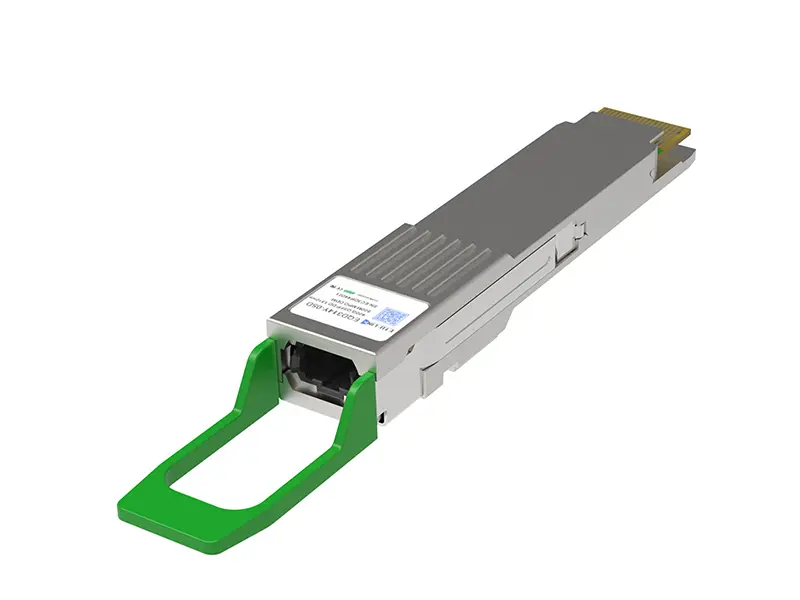 400G
400G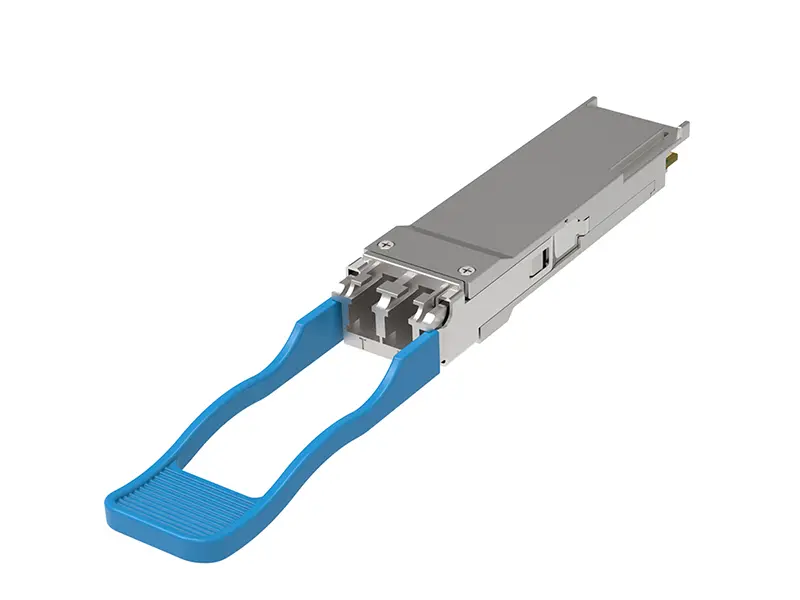 200G
200G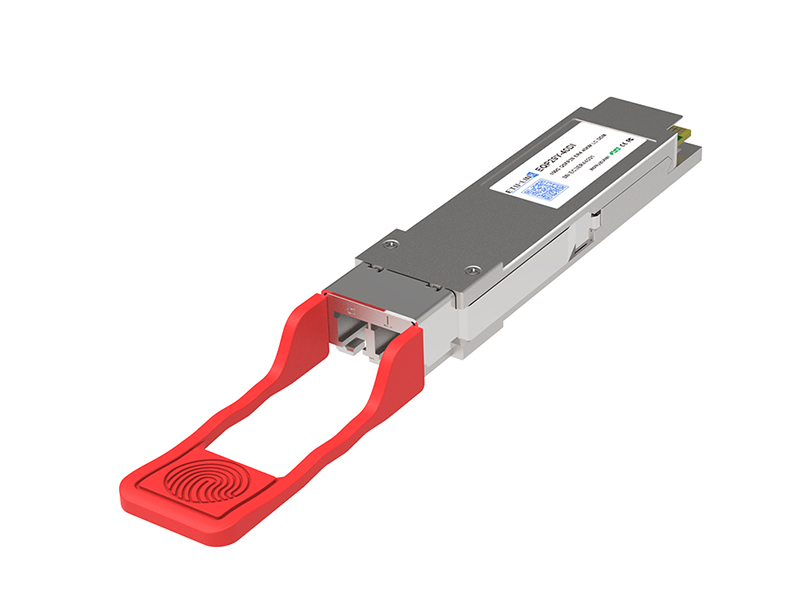 100G
100G 40G
40G 25G
25G 10G
10G 1G
1G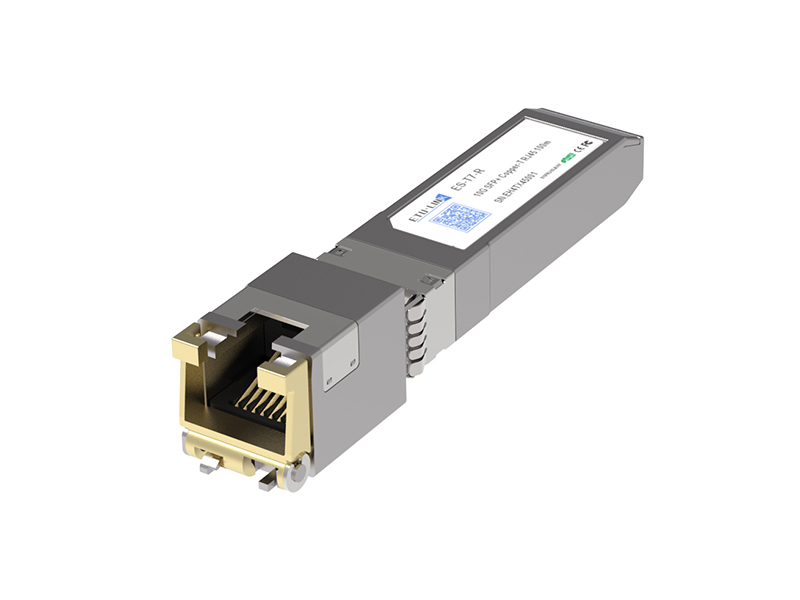 COPPER-T
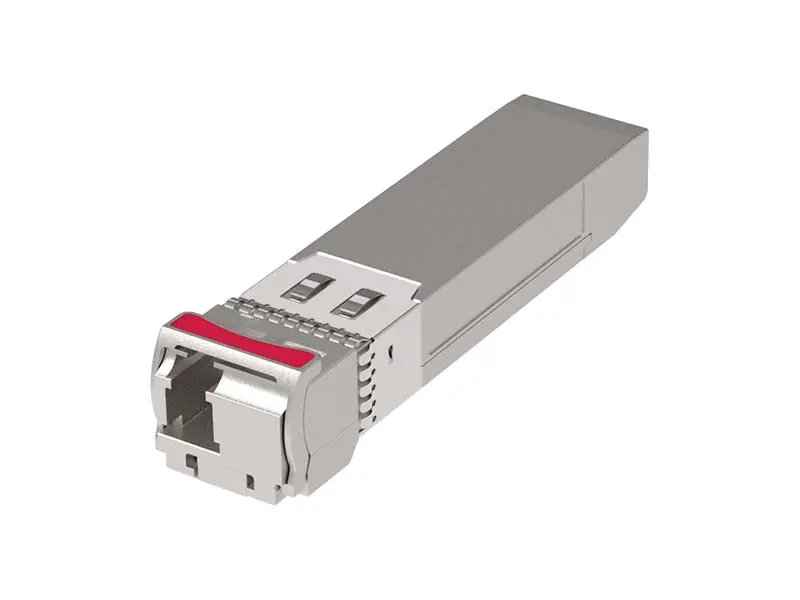 Other
Other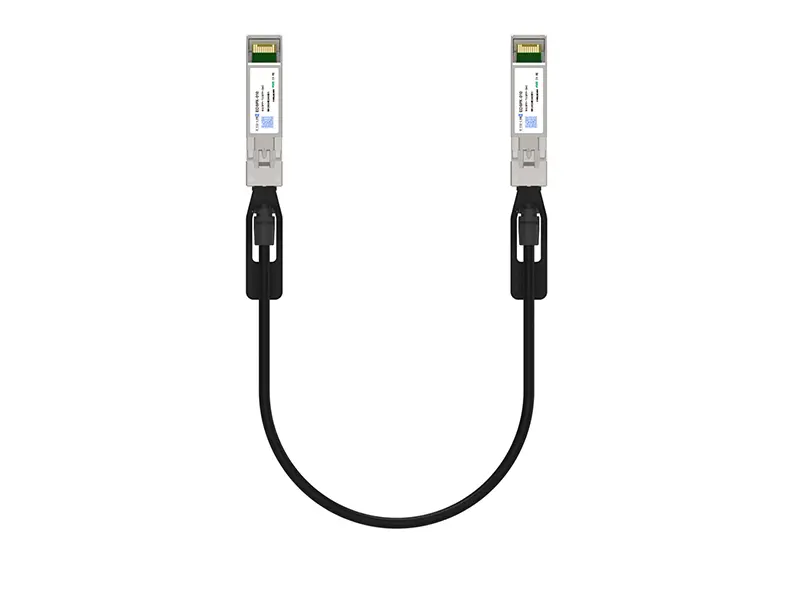 10G SFP+ DAC
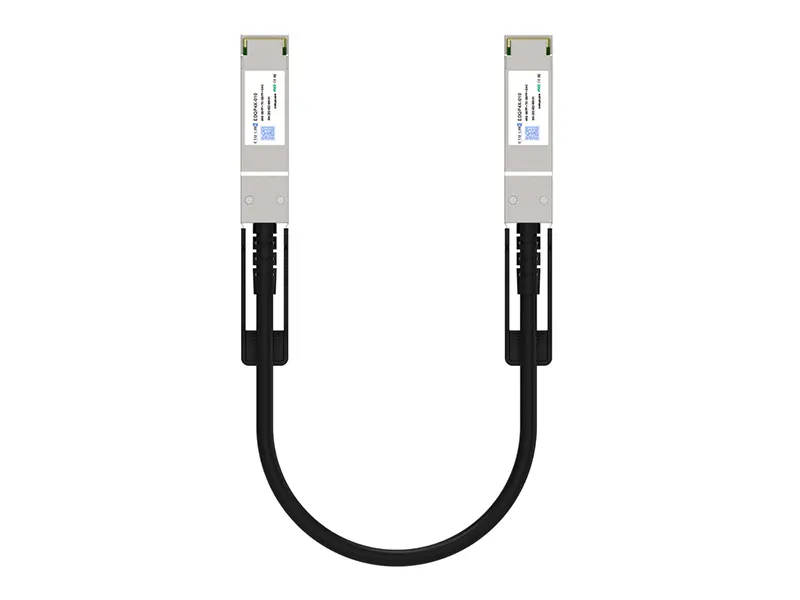 40G QSFP+ DAC
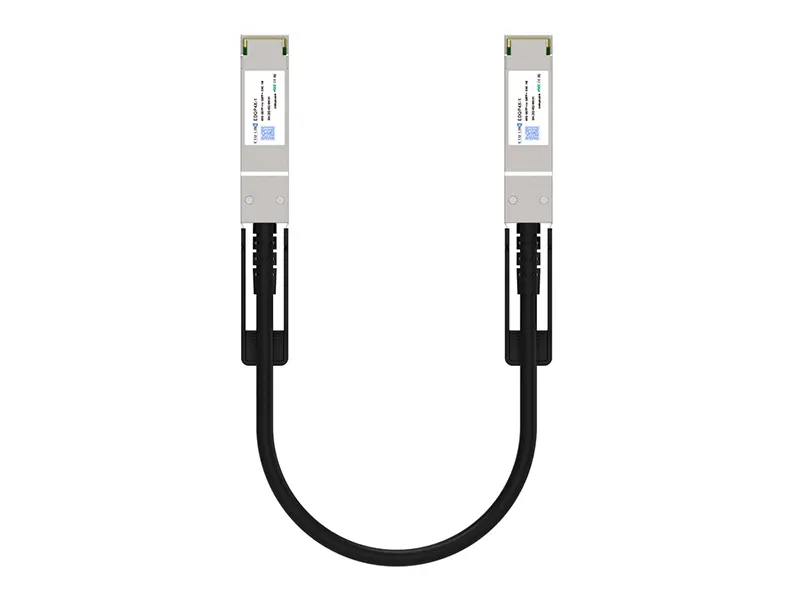 56G QSFP+ DAC
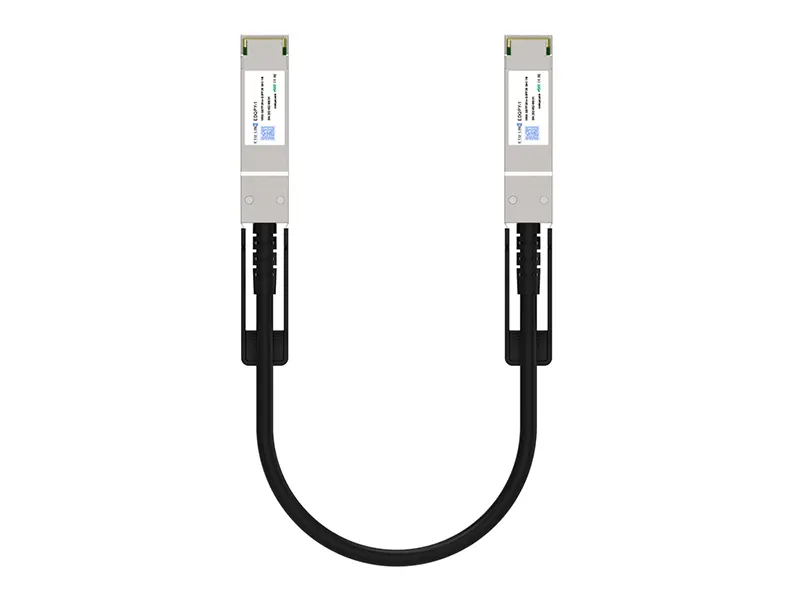 100G QSFP28 DAC
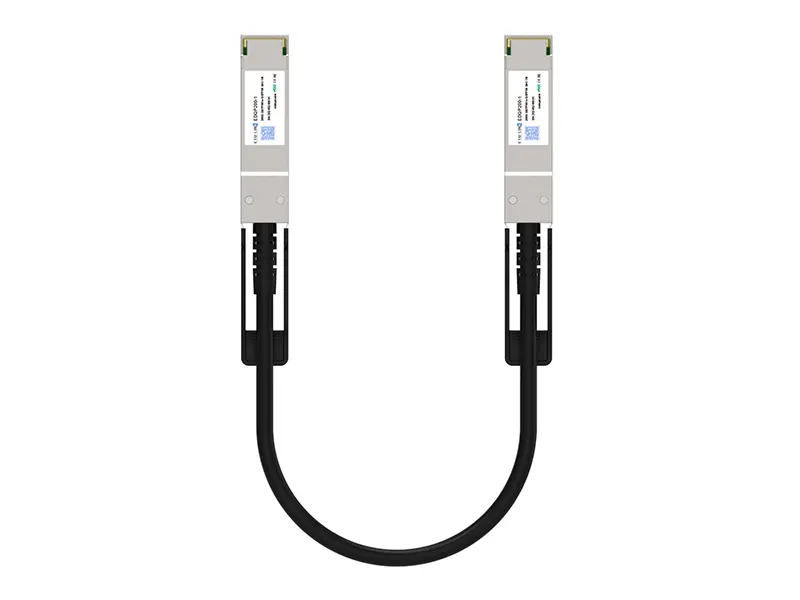 200G QSFP56 DD DAC
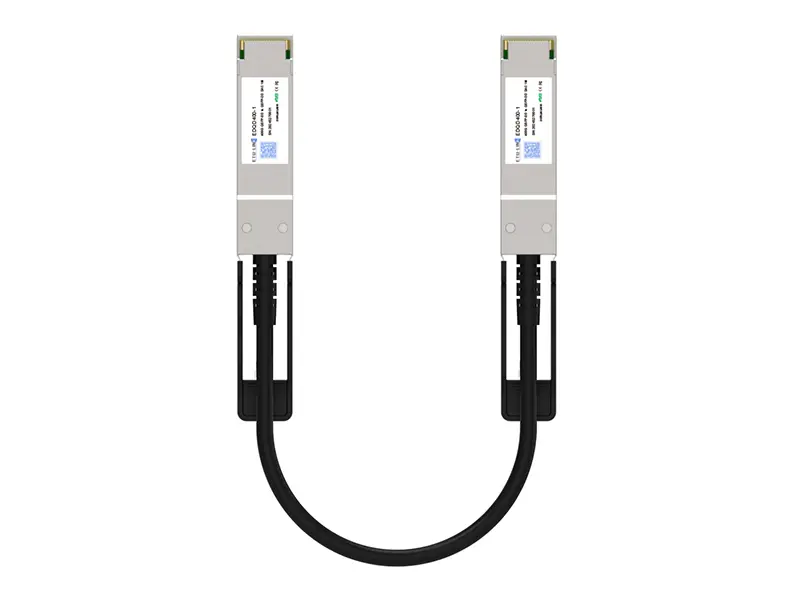 400G QSFP DD DAC
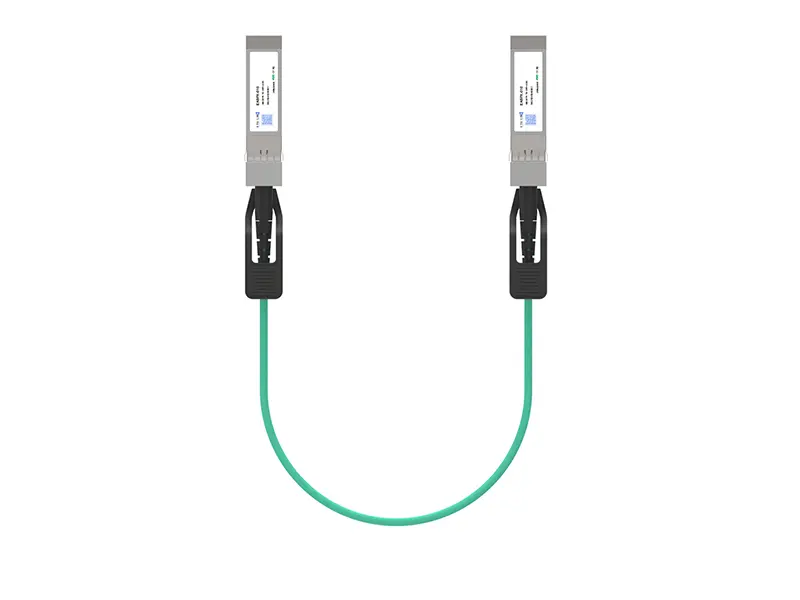 10G SFP+ AOC
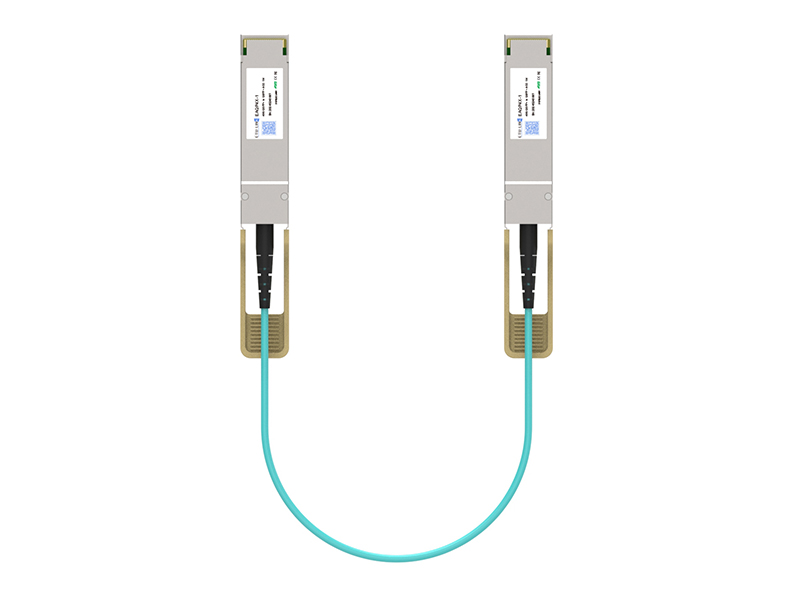 40G QSFP+ AOC
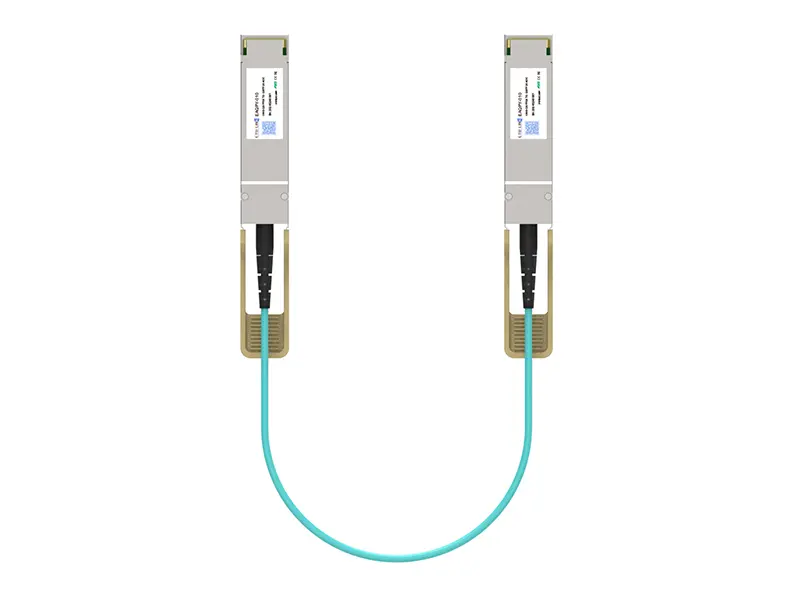 100G QSFP28 AOC
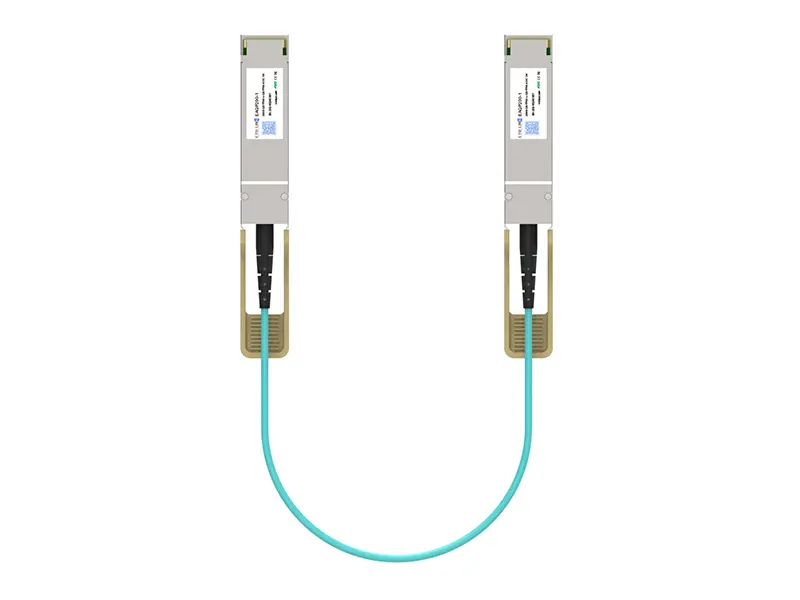 200G QSFP56 AOC
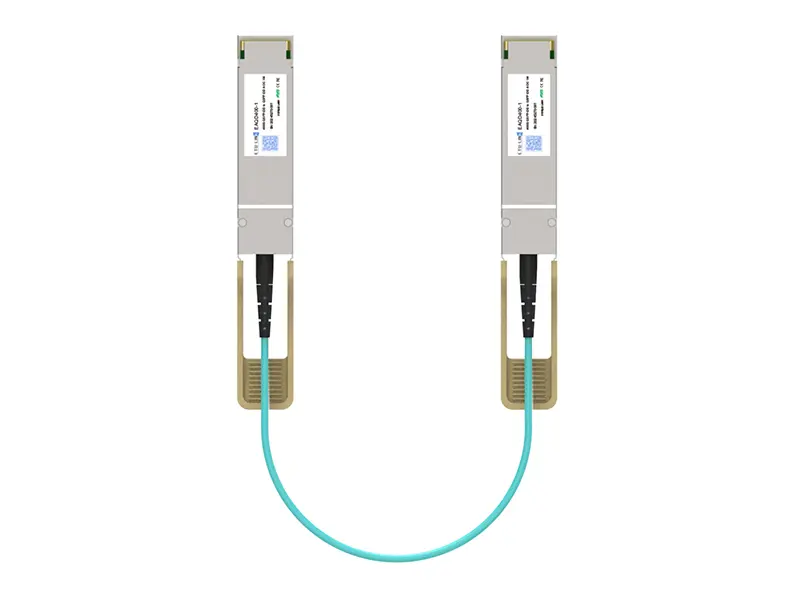 400G QSFP-DD AOC
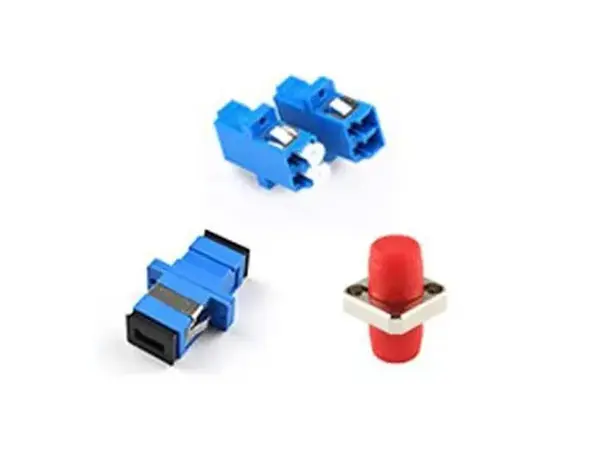 Adapter Details
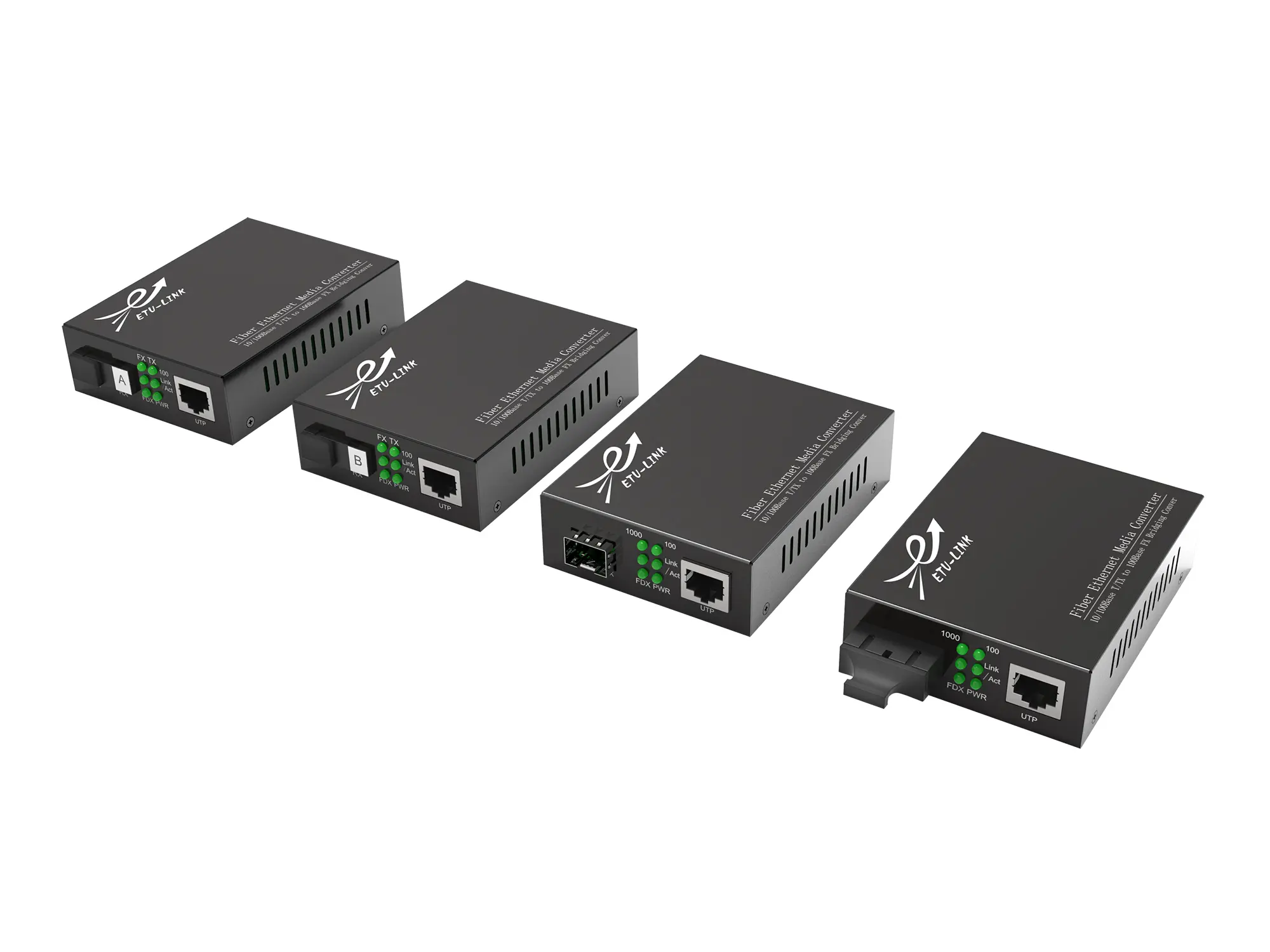 Media Converter