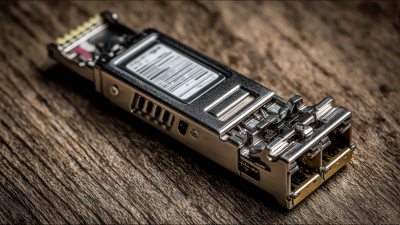
Top 5 Tips for Choosing Copper RJ45 Connectors?
Choosing the right Copper RJ45 connectors is essential for ensuring optimal network performance. These connectors play a crucial role in transmitting data efficiently. With various options available, the selection process can be overwhelming. Making informed choices is vital for both amateurs and professionals.
Understanding the specific needs of your network aids in choosing the correct type. Factors such as cable type, bend radius, and potential interference should be considered. Moreover, not all Copper RJ45 connectors are created equal. Some may not meet industry standards, which can lead to connectivity issues.
Reflecting on previous experiences can yield better decisions. Taking the time to evaluate different designs, materials, and brands enhances reliability. Mistakes in connector choice can lead to frustration and decreased performance. Hence, thorough research, informed by experience, can significantly improve connectivity outcomes.
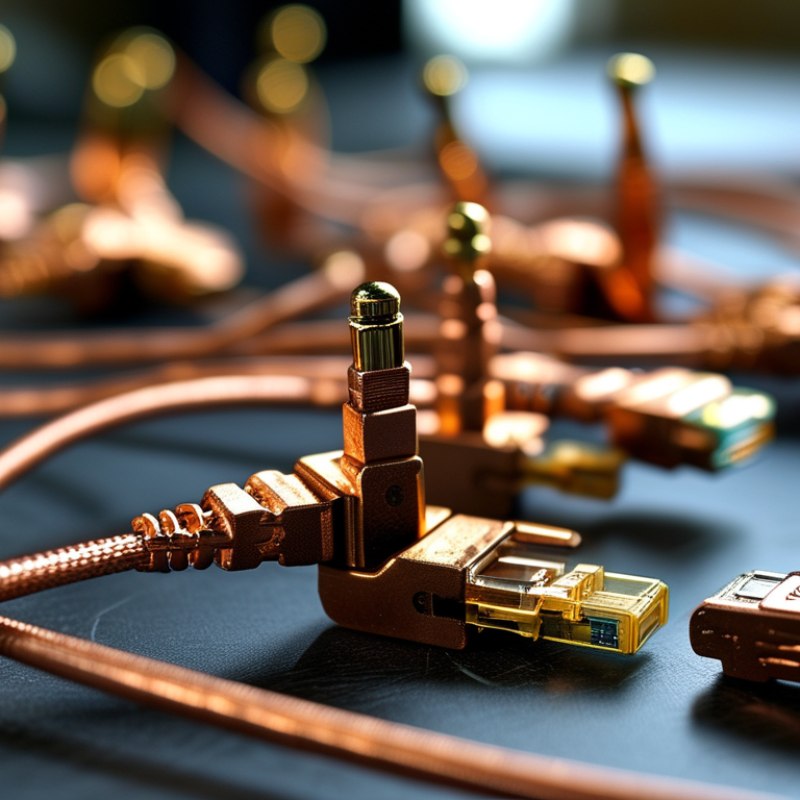
Understanding the Basics of Copper RJ45 Connectors in Networking
Copper RJ45 connectors play a crucial role in networking. These connectors are typically used for Ethernet connections, providing a reliable way to transmit data. According to the Telecommunications Industry Association (TIA), over 95% of the world’s wired networking solutions rely on copper cabling. This highlights their importance in modern communications.
A key aspect to consider is the construction of the RJ45 connector. High-quality connectors are designed with precise pin configurations, ensuring optimal contact and reduced signal loss. Reports indicate that subpar connectors can introduce significant latency, sometimes up to 20%. This can impact network performance and overall user experience.
Furthermore, it's essential to think about compatibility with cabling standards. RJ45 connectors must align with standards like TIA/EIA 568 for optimal performance. Many users overlook this detail. Using mismatched connectors can result in underperformance. Every installer should evaluate their choices carefully, ensuring they select connectors suited to their specific networking environment. Making informed choices can lead to a more efficient and reliable network setup.
Evaluating Connector Quality: Key Specifications and Standards to Consider
When selecting copper RJ45 connectors, evaluating connector quality is essential. Look for key specifications and industry standards. Data from the Telecommunications Industry Association suggests that connectors should comply with ANSI/TIA-568, a standard that ensures performance and reliability. This standard includes metrics for insertion loss and return loss, vital for maintaining signal integrity.
Testing reports reveal that connectors with lower levels of insertion loss lead to better network performance. A standard value is less than 1.0 dB per connector. Additionally, factors such as contact resistance and durability impact overall reliability. High-quality connectors often exhibit a contact resistance of less than 20 milli-ohms.
Consider the materials used in the connectors. Copper conductors generally ensure better conductivity than alternatives. Yet, some connectors use a mixture of metals, which could compromise performance. Pay attention to the environmental conditions as well; connectors rated for temperature and humidity can prevent early failures. These specifications are crucial for making an informed choice on copper RJ45 connectors.
Assessing Compatibility with Cabling Standards: Cat5e, Cat6, and Beyond
When selecting copper RJ45 connectors, assessing compatibility with cabling standards is crucial. Standards like Cat5e and Cat6 define performance and transmission capabilities. Cat5e supports speeds up to 1 Gbps, while Cat6 can handle up to 10 Gbps over limited distances. Understanding these differences is key to making informed decisions.
It's vital to evaluate the specifications of your existing cabling. If your network infrastructure is built on Cat5e cables, opting for Cat6 connectors may not yield significant benefits in speed. Conversely, using Cat5e connectors with Cat6 cables may limit performance. Ensure the connector and cable standards match to maximize network efficiency.
One tip is to check the connector build quality. High-quality connectors provide better shielding and reliability. Ensure the connectors you choose meet or exceed the required standards. Look for signs of manufacturing inconsistencies. Small defects can lead to connectivity issues. Trustworthy suppliers usually guarantee the reliability of their products.
Top 5 Tips for Choosing Copper RJ45 Connectors
This chart illustrates the maximum data rates for different categories of RJ45 connectors, helping users assess compatibility with their cabling standards when selecting copper connectors.
Importance of Material and Build Quality in RJ45 Connector Performance
When selecting copper RJ45 connectors, the importance of material and build quality cannot be overlooked. High-quality copper connectors are vital for maintaining signal integrity. According to a report by the International Electrotechnical Commission (IEC), connectors that meet industry standards significantly reduce attenuation and crosstalk, factors that can severely impact network performance.
The choice of materials affects durability and performance. Copper provides better conductivity than its alternatives. A study from the Institute of Electrical and Electronics Engineers (IEEE) found that connectors made with pure copper exhibit up to 20% lower resistance compared to those made with inferior materials. This means a more efficient data transfer rate. Build quality also plays a crucial role; poorly constructed connectors can create physical weaknesses, leading to connection failures over time.
However, the industry often sees a trade-off. Higher quality often comes at a premium price. Budget constraints can lead to compromises, especially in large installations. Reflecting on these choices is critical. Investing in lower-quality connectors may save money initially, but the longer-term costs related to maintenance and replacements can compound. The key is to balance cost with performance, ensuring the connectors used can handle the demands of modern networks.
Cost vs. Performance: Finding Value in Copper RJ45 Connectors
When choosing copper RJ45 connectors, balancing cost and performance is key. Higher-quality connectors often lead to better performance, but they can come at a price. Understanding your needs is essential. For casual home use, lower-cost options may suffice. However, for professional setups, investing in premium connectors can enhance network reliability.
One vital tip is to assess your usage environment. Industrial settings may require more durable connectors. Look for options with superior shielding to reduce interference. Similarly, consider the specifications you need. Cat6 connectors support faster speeds, but if your network does not require that, Cat5e connectors can provide adequate performance.
Another important consideration is compatibility. Ensure that your RJ45 connectors work seamlessly with your existing network hardware. Mixing different standards can lead to issues. It’s also wise to check reviews from credible sources. They can reveal real-world performance insights and long-term reliability aspects that might not be evident from the specifications alone.

 400G
400G 200G
200G 100G
100G 40G
40G 25G
25G 10G
10G 1G
1G COPPER-T
 Other
Other 10G SFP+ DAC
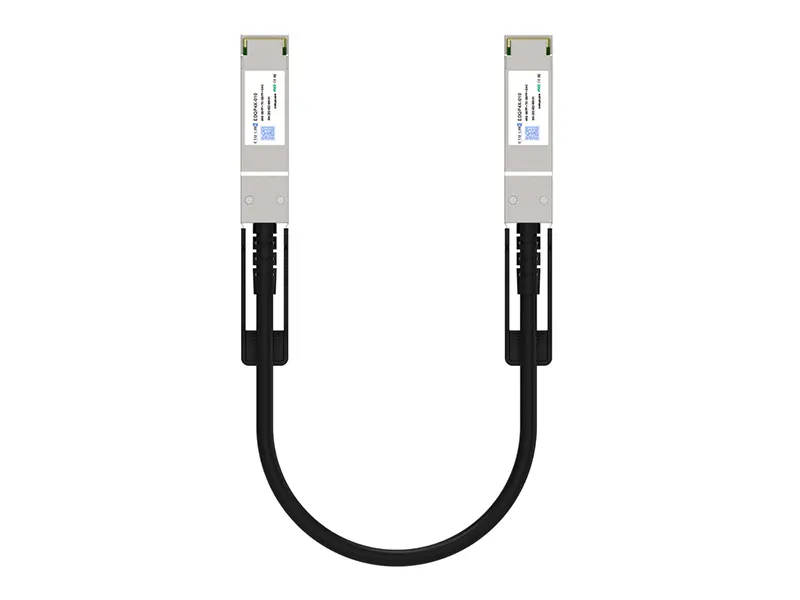 40G QSFP+ DAC
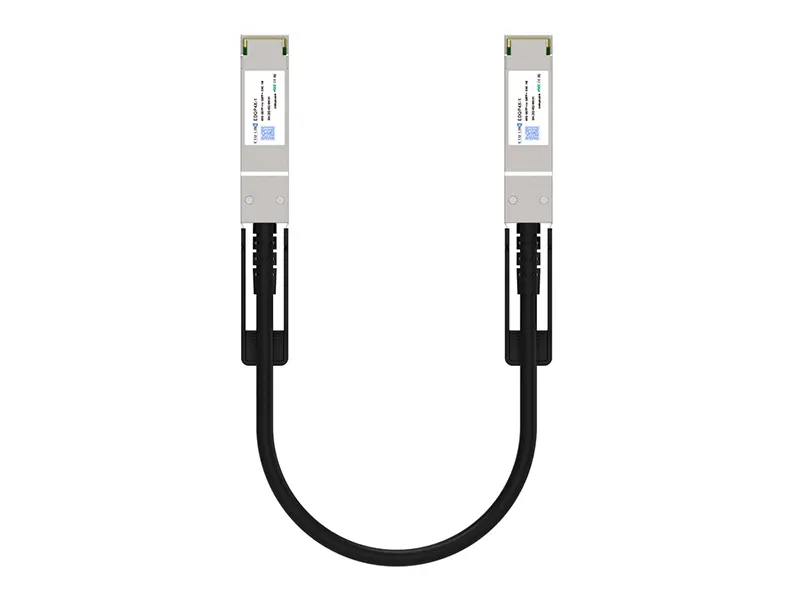 56G QSFP+ DAC
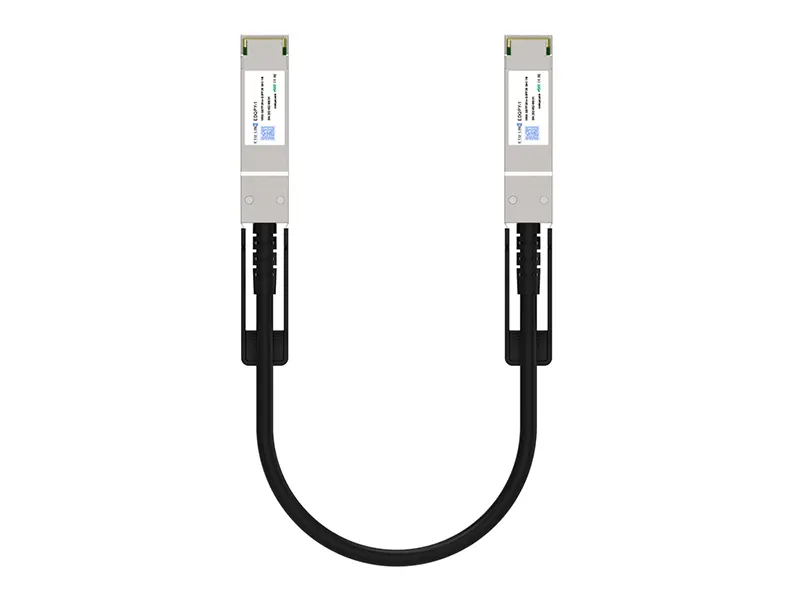 100G QSFP28 DAC
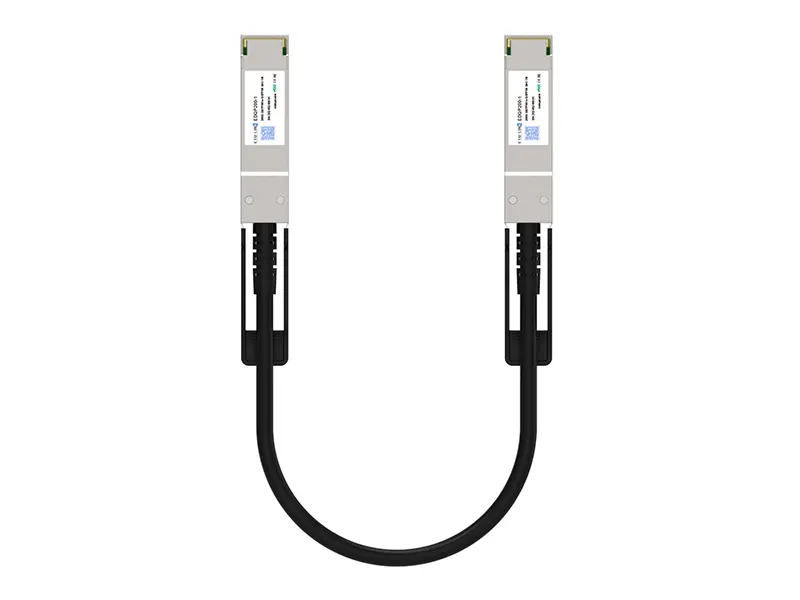 200G QSFP56 DD DAC
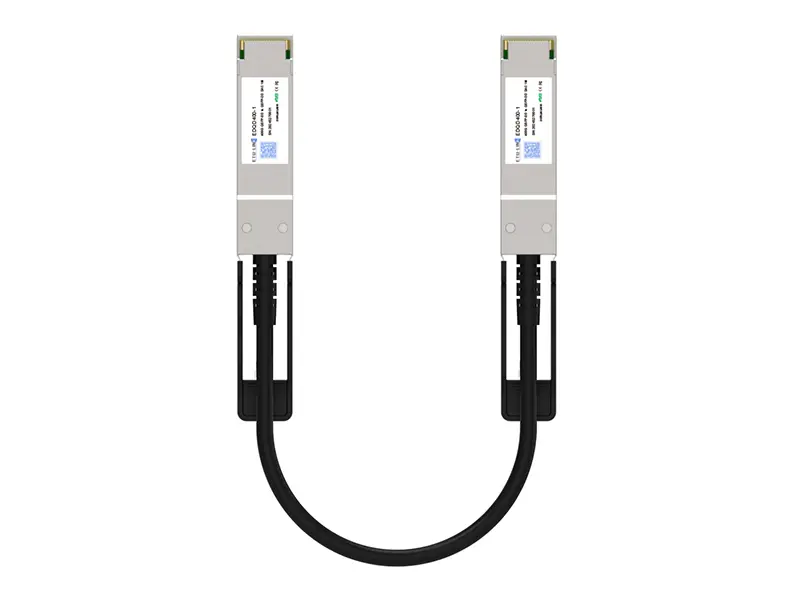 400G QSFP DD DAC
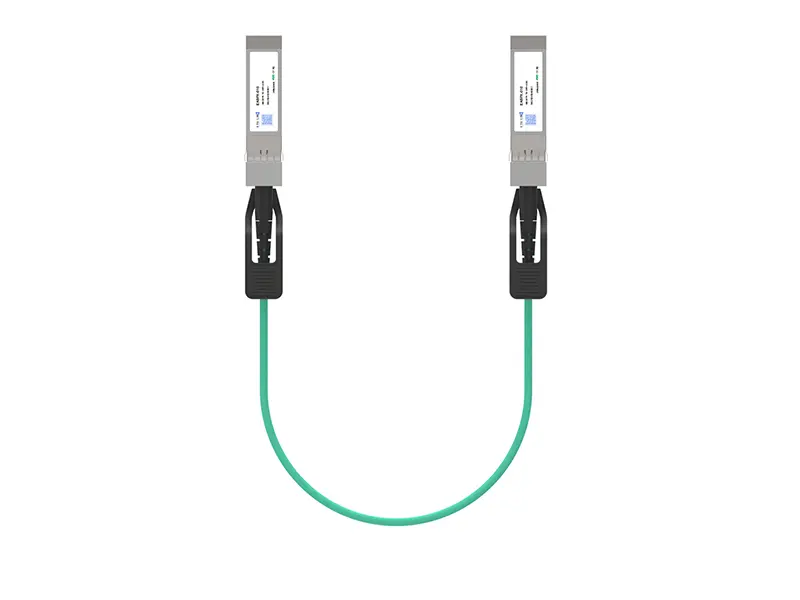 10G SFP+ AOC
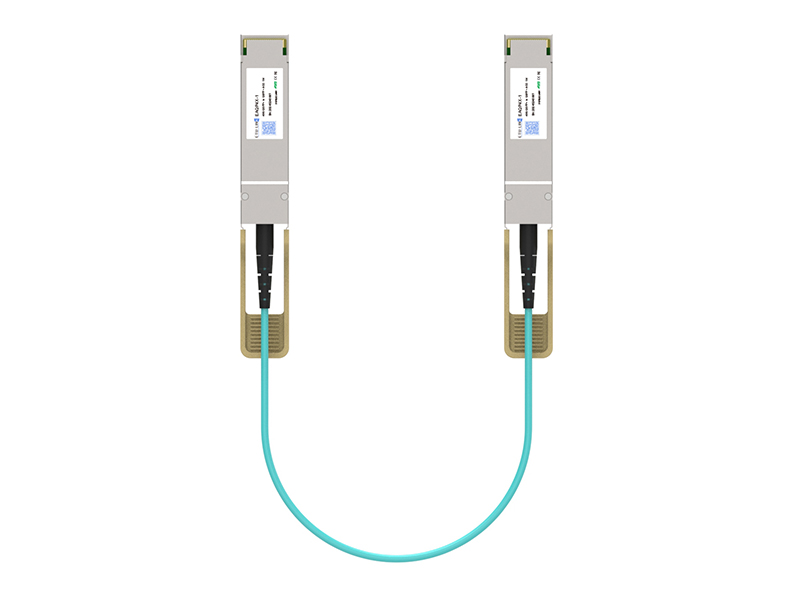 40G QSFP+ AOC
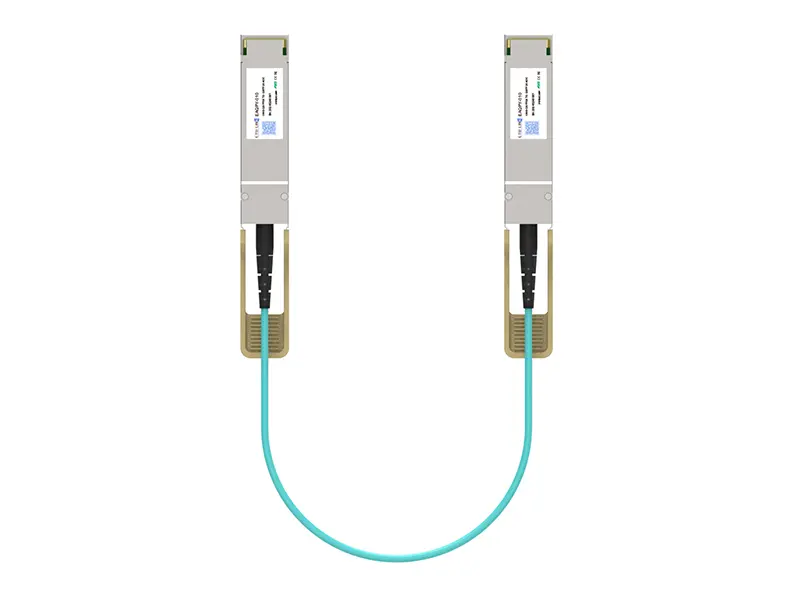 100G QSFP28 AOC
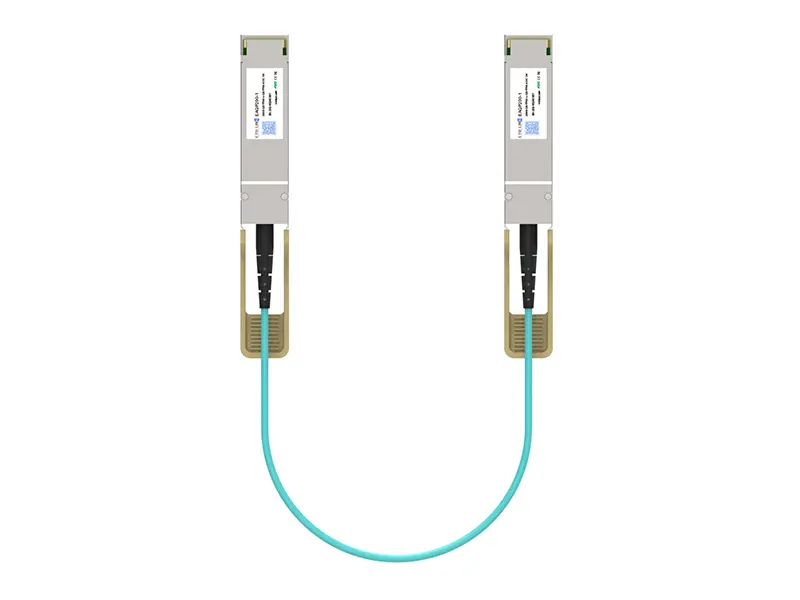 200G QSFP56 AOC
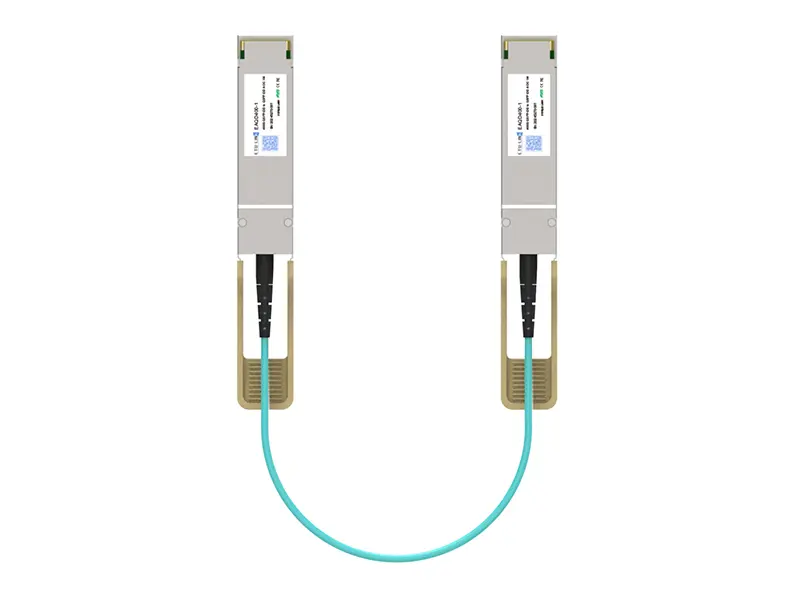 400G QSFP-DD AOC
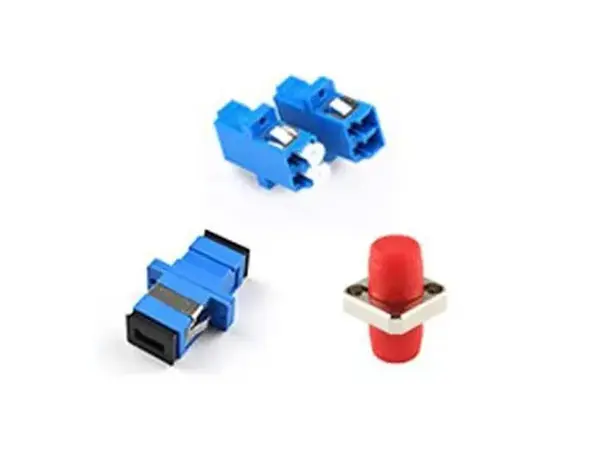 Adapter Details
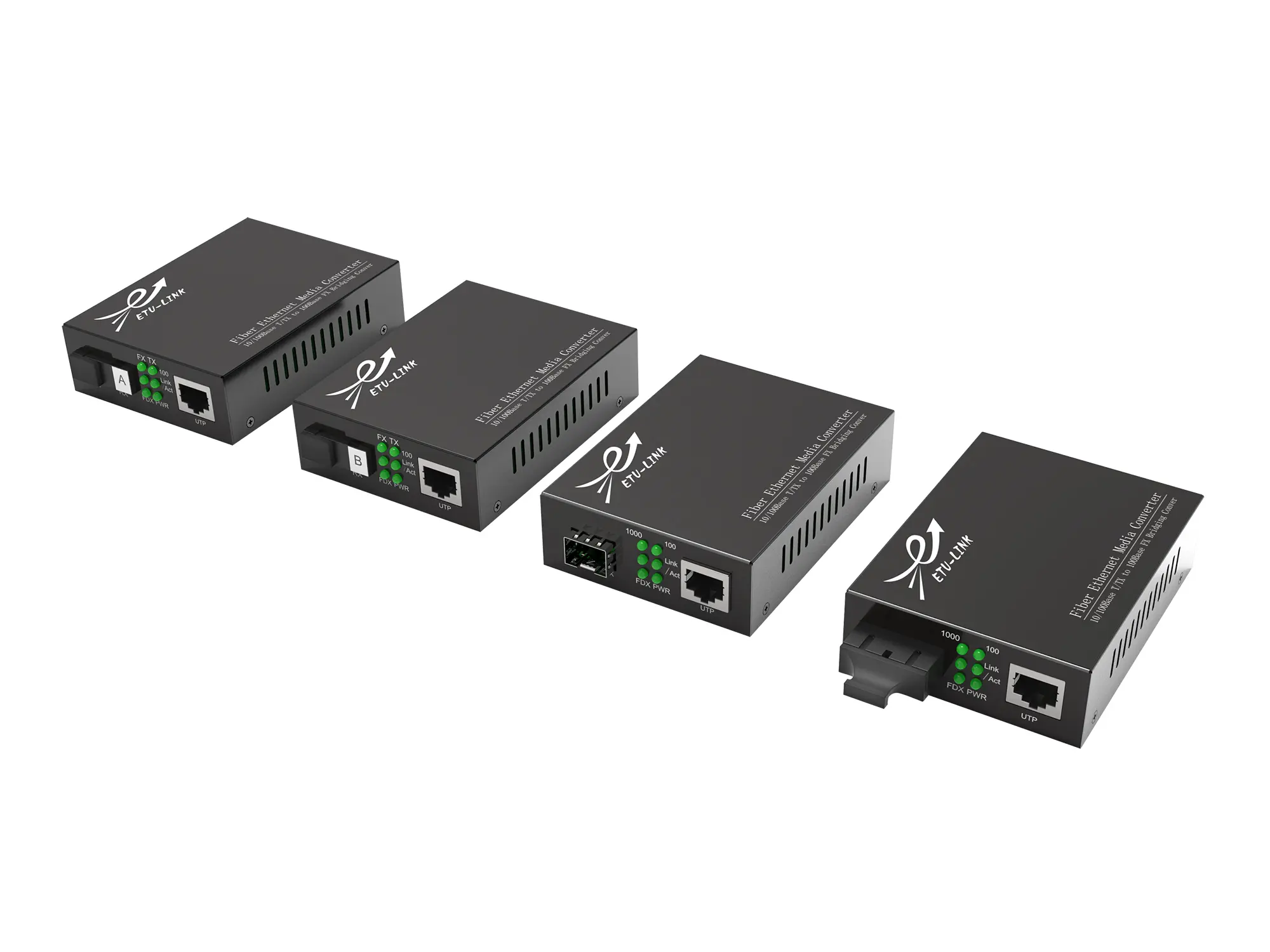 Media Converter