Choosing reliable Copper RJ45 suppliers in China requires more than comparing prices on a product page. Global buyers need stable transmission, accurate dimensions, consistent plating, and dependable delivery. This guide introduces ten Chinese suppliers serving different application needs, including networking equipment, industrial controls, security systems, and data centers.
Each supplier should be examined through practical evidence. Factory experience matters, but it is not enough. Buyers should review connector designs, contact materials, shielding options, packaging methods, and quality inspection records. Samples can reveal details that brochures often hide, such as uneven gold plating, loose contacts, or poorly fitted housings. Testing should cover insertion force, return loss, crosstalk, durability, and compatibility with existing cables and jacks. Certifications and documented production controls also support more confident purchasing decisions.
Commercial reliability deserves equal attention. Clear communication, realistic lead times, responsive engineering support, and traceable batch records can prevent expensive delays. Some suppliers may offer impressive customization, yet their minimum order quantities or tooling fees may not suit smaller buyers. Others may provide competitive pricing but limited overseas service. That difference matters.
This overview is designed to support careful supplier screening, not replace independent verification. Product quality can vary between batches, even within an experienced factory. Buyers should request current samples, confirm specifications in writing, and consider an on-site or third-party audit when volumes are significant. No supplier is perfect. A thoughtful comparison helps global buyers select a partner that fits their technical, commercial, and compliance requirements.
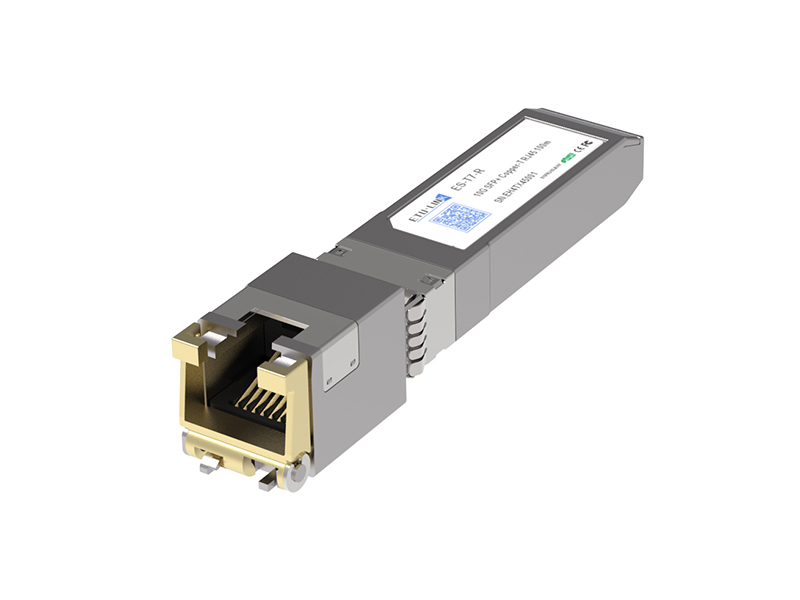
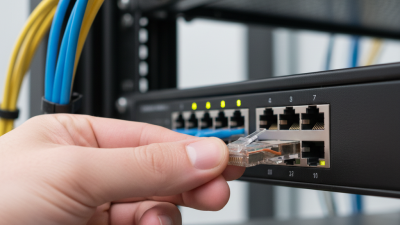
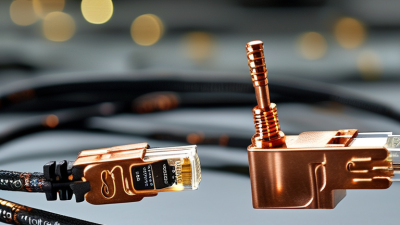
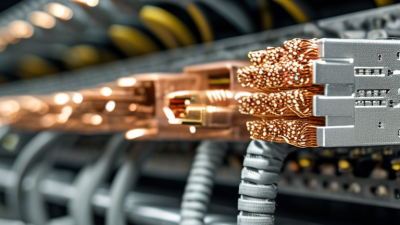
Copper RJ45 connectors are Ethernet interface components with copper alloy contacts inside a compact modular housing. They connect twisted-pair cables to switches, routers, patch panels, and industrial devices. In practice, “RJ45” is widely used, although the technical term may not always be perfectly precise. Buyers should check the connector’s actual category rating, wiring compatibility, and contact design.
Global buyers choose copper RJ45 connectors because they support stable data transmission at a familiar, economical interface. Properly designed contacts reduce signal loss and maintain performance across repeated connections. Gold plating can improve corrosion resistance, while shielding helps control electromagnetic interference in electrically noisy areas. For Power over Ethernet applications, contact quality matters even more. Weak materials may create heat during continuous power delivery.
Selection requires more than visual inspection. Check Cat5e, Cat6, or Cat6A compatibility, conductor size, cable type, and insertion-cycle testing. Field experience shows that a connector can look excellent and still fail during termination. Some housings also fit poorly with thick cables or protective boots. Request test reports, dimensional drawings, and sample approvals before large orders. Copper composition, plating thickness, and production consistency deserve careful verification. The lowest quotation is not always the lowest operating cost.
Copper RJ45 connectors are commonly used with twisted-pair Ethernet cabling because they support standardized 8P8C connections, broad equipment compatibility, and cost-effective installation. The chart compares commonly deployed copper cabling categories by their typical maximum Ethernet data rate. Cat 6 can support 10 Gb/s over shorter distances, while Cat 6A supports 10 Gb/s up to 100 meters. Cat 8 supports 25–40 Gb/s over channels up to approximately 30 meters.
Reference basis: ISO/IEC 11801 and ANSI/TIA-568 structured cabling performance specifications. Actual performance depends on channel length, installation quality, hardware, and electromagnetic conditions.
When evaluating China’s copper RJ45 suppliers, begin with the connector’s actual materials, not catalog language. Ask for copper alloy details, contact plating thickness, wire compatibility, and operating temperature. A reliable supplier should provide drawings, inspection records, and batch traceability. Terms like “high quality” mean little without measurable data.
Request samples from different production batches. Check housing alignment, latch strength, contact spring recovery, and insertion force with a standard plug.
For network performance, review return loss, insertion loss, and crosstalk results at the required frequency. Test several pieces, not one perfect sample. A polished sample can mislead.
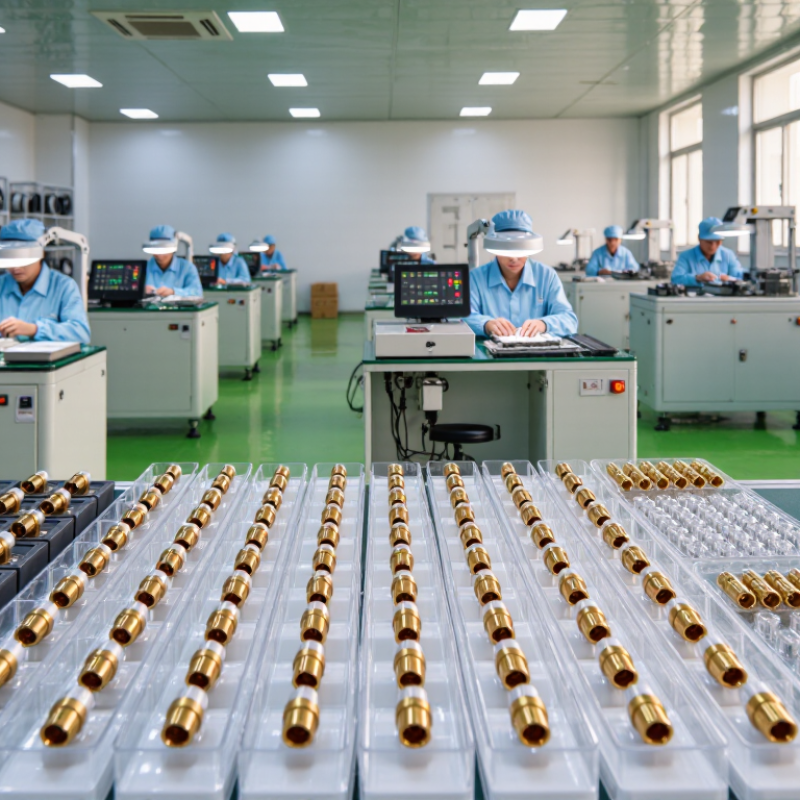
Factory capability also matters. Review crimping equipment, automated inspection, aging tests, and corrective-action records. Ask how rejected parts are isolated and how production changes are approved. Confirm lead times using a written capacity plan, especially before large orders.
Communication quality is evidence too; unclear answers may signal weak process control. Independent laboratory testing can verify supplier data, although it adds cost and time.
In my experience, buyers often focus on unit price and overlook plating consistency, packaging damage, or replacement procedures. That mistake becomes expensive later. A supplier may be technically capable yet unsuitable for your market if documentation, response speed, or quality accountability is poor.
Keep evaluation notes, compare identical criteria, and revisit the decision after pilot production.
China’s Top 10 Copper RJ45 Suppliers for Global Buyers represent a wide range of manufacturing capabilities. The strongest candidates usually offer connectors with solid copper contacts, stable plating, and consistent housing dimensions. Buyers should verify whether the product uses pure copper or copper-clad aluminum. The difference affects conductivity, durability, and long-term network stability.
A practical evaluation starts with samples, not brochures. Check Cat5e, Cat6, or Cat6A compatibility, contact resistance, insertion cycles, and cable retention. Ask for inspection records, material declarations, and test results from recognized laboratories. A reliable supplier should explain production controls clearly. Factory audits can also reveal crimping equipment, molding conditions, warehouse organization, and traceability procedures. Small details matter here.
Do not select a supplier only because of a low quotation. That approach often creates hidden costs. I once underestimated packaging quality; damaged latch clips caused unnecessary sorting work. This is easy to overlook. Confirm carton strength, moisture protection, labeling accuracy, and replacement policies before placing a larger order. The top ten should be compared by repeatability, technical communication, response speed, and after-sales discipline, not marketing language alone. Some suppliers may perform well on standard orders but struggle with custom plating or tight tolerances. That limitation deserves honest attention.
Among the ten listed suppliers, copper RJ45 products differ most in conductor design, testing depth, and traceability. Solid bare-copper conductors usually provide lower resistance than copper-clad aluminum alternatives. This matters during long-distance PoE operation. IEEE 802.3bt permits up to 90 watts from the source, while heat increases inside crowded cable bundles.
Connector performance also varies. Better assemblies use controlled contact plating, stronger latch springs, and verified insertion-cycle results. Their housings fit common Category 6 and Category 6A systems more consistently. ISO/IEC 11801 limits a balanced copper channel to 100 meters, including patch cords. Suppliers claiming longer performance should show measured insertion loss, return loss, and near-end crosstalk data.
Shielded versions may reduce electromagnetic interference, but only when the whole grounding path is designed correctly. A shield alone is not magic. Reports from the Ethernet Alliance continue to track higher-speed data-center migration, yet copper remains practical for many short equipment links. Buyers should request batch test records, conductor diameter, plating thickness, and PoE temperature-rise results. A lower price is not automatically poor quality. Still, unclear material descriptions deserve caution. Some product pages look impressive but omit the details needed for engineering review.
China’s copper RJ45 supplier market is broad, but price alone is a weak filter. The ITU reported 5.5 billion internet users in 2024, increasing pressure on stable network infrastructure. A 2024 Ethernet cable market report also forecasts mid-single-digit annual growth through the decade. This growth attracts capable factories and inexperienced traders.
Ask each supplier for current ISO 9001 certification, production photos, traceability records, and third-party test reports. Check whether the connector matches Cat5e, Cat6, or Cat6A requirements under ANSI/TIA-568.2-D and ISO/IEC 11801. Request measured return loss, insertion loss, NEXT, contact resistance, and plating thickness. A sample should survive repeated insertion cycles without loose contacts. It should also fit your cable diameter and AWG range.
Visit the factory, or use an independent audit. Confirm stamping, molding, assembly, and testing occur at the stated site. The 2024 Global Data Center Survey found that more than half of operators experienced an outage within three years. Small connector defects can become expensive service failures. Ask for batch samples, not one perfect sample. I have seen purchasing teams overlook packaging quality; crushed cartons can bend contacts before installation. My own preference is not flawless either. I sometimes value fast replies too highly. A slower supplier with clear test evidence may be safer. Compare total cost, including tooling, inspection, shipping, spare units, and warranty response. Require RoHS and REACH documentation where applicable, then verify the documents independently.
| Rank | Anonymous Supplier Profile | Primary Product Focus | Common Category | Conductor Compatibility | Shielding Options | Contact Plating | Relevant Standards | Typical MOQ | Sample Lead Time | Bulk Lead Time | Documents to Request | Buyer-Fit Score |
|---|---|---|---|---|---|---|---|---|---|---|---|---|
| 1 | Profile A — High-volume OEM connector specialist | RJ45 plugs and modular jacks | Cat5e / Cat6 | Solid and stranded copper; commonly 24–26 AWG | Unshielded and shielded versions | Gold-plated contacts; thickness must be specified by purchase order | IEC 60603-7 series; RoHS; REACH where applicable | 5,000–10,000 pcs | 7–12 days | 20–35 days | Datasheet, plating report, RoHS/REACH declaration, inspection plan | 9.2/10 |
| 2 | Profile B — Shielded industrial Ethernet specialist | Shielded plugs, jacks, and field connectors | Cat6 / Cat6A | Solid copper; commonly 23–26 AWG | FTP, STP, and metal shielding options | Gold-plated contact area with nickel-plated shield options | IEC 60603-7; ANSI/TIA-568.2-D; RoHS | 1,000–5,000 pcs | 10–15 days | 25–40 days | Shielding drawing, insertion-loss data, grounding details, material declaration | 9.0/10 |
| 3 | Profile C — Structured cabling component supplier | Keystone jacks and patch-panel modules | Cat5e / Cat6 / Cat6A | 22–26 AWG solid conductors | UTP, FTP, and 360-degree shield designs | IDC contacts and plug contacts with specified plating options | ANSI/TIA-568.2-D; ISO/IEC 11801; IEC 60603-7 | 500–2,000 pcs | 7–14 days | 20–30 days | Wiring diagram, channel-performance report, material list, QC checklist | 8.9/10 |
| 4 | Profile D — Custom molded plug manufacturer | Overmolded RJ45 patch-cord plugs | Cat5e / Cat6 | Stranded copper cable; 24–26 AWG typical | UTP and shielded overmold designs | Gold-plated contact options; boot material selected by application | ANSI/TIA-568.2-D; RoHS; flame-retardant material options | 1,000–3,000 pcs | 12–18 days | 25–45 days | 2D drawing, mold-flow approval, cable test report, material safety data | 8.7/10 |
| 5 | Profile E — Data-center connectivity supplier | High-performance jacks and patch panels | Cat6A | 22–24 AWG solid copper | UTP, FTP, and low-crosstalk shielded options | Specified gold plating and IDC termination system | ISO/IEC 11801; ANSI/TIA-568.2-D; IEC 60603-7 | 500–2,000 pcs | 10–16 days | 30–45 days | Alien-crosstalk data, TIA/IEC test report, traceability procedure, packaging specification | 8.6/10 |
| 6 | Profile F — Small-batch customization supplier | Low-volume custom connectors | Cat5e / Cat6 | Solid and stranded copper; 24–26 AWG | Unshielded and basic shielded versions | Standard gold-plated contact options | IEC 60603-7; RoHS; REACH documentation on request | 100–500 pcs | 5–10 days | 15–25 days | Sample approval sheet, basic test report, material declaration, packaging photos | 8.3/10 |
| 7 | Profile G — OEM and private-label assembly supplier | Patch cords and complete assemblies | Cat5e / Cat6 / Cat6A | Stranded copper cable; 24–28 AWG options | UTP, FTP, and STP cable assemblies | Contact plating and boot color specified by buyer | ANSI/TIA-568.2-D; ISO/IEC 11801; RoHS | 2,000–10,000 pcs | 10–15 days | 25–40 days | Cable construction sheet, 100% continuity test method, label artwork, carton specification | 8.1/10 |
| 8 | Profile H — Export-oriented catalog supplier | Standard RJ45 plugs and accessories | Cat5e / Cat6 | Solid and stranded copper; 24–26 AWG | Mainly unshielded; selected shielded models | Standard gold-plated contact options | IEC 60603-7; RoHS; packaging compliance by destination | 5,000–20,000 pcs | 7–12 days | 20–35 days | Product specification, carton dimensions, country-of-origin statement, compliance declaration | 7.9/10 |
| 9 | Profile I — Cost-focused volume manufacturer | Commodity modular plugs and jacks | Cat5e | 24–26 AWG copper conductors | Primarily unshielded | Basic contact plating; exact thickness must be confirmed | IEC 60603-7; RoHS where requested | 10,000–50,000 pcs | 10–15 days | 25–45 days | Material confirmation, sample test results, batch inspection report, tolerance sheet | 7.6/10 |
| 10 | Profile J — Mixed-product networking supplier | RJ45 accessories and assembled kits | Cat5e / Cat6 | Solid and stranded copper; 24–26 AWG | Unshielded and selected shielded products | Standard gold-plated contact configurations | ANSI/TIA-568.2-D; IEC 60603-7; RoHS | 1,000–5,000 pcs | 8–14 days | 20–40 days | Complete BOM, sample approval record, compliance documents, after-sales terms | 7.4/10 |